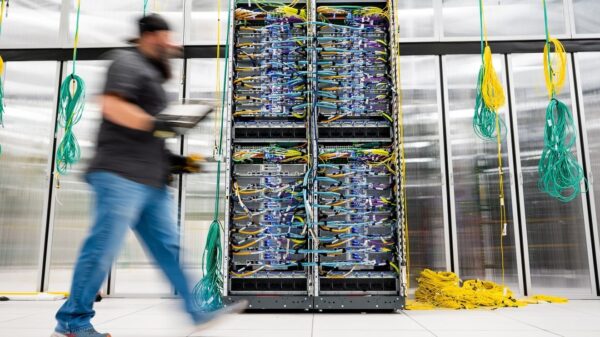
Oracle Corporation (NYSE: ORCL) is navigating a shortened trading session on Christmas Eve amid conflicting investor sentiments. The tech giant is experiencing enthusiasm over significant platform and cloud partnerships, including a U.S. venture linked to TikTok, juxtaposed with growing concern regarding the cost and funding of its AI data-center expansion, which is closely tied to soaring demand for OpenAI-scale services.
As of Dec. 24, 2025 (14:41 UTC), Oracle shares were priced at $196.73, an increase of $1.36 (+0.70%). The stock’s session range hovered around $194.49 to $197.64, with a market capitalization nearing $550.9 billion. Trading is lighter due to an early market close at 1:00 p.m. ET for the NYSE and Nasdaq, often leading to increased volatility.
One of the pivotal developments influencing Oracle stock recently has been progress in the longstanding TikTok saga. According to reports from the Associated Press, TikTok has signed binding agreements with key investors—including Oracle, Silver Lake, and MGX—to establish a new U.S. joint venture named TikTok USDS Joint Venture LLC. This initiative aims to meet U.S. national-security requirements and ensure TikTok’s continued operation in the country, with the deal expected to finalize on Jan. 22, 2026. The ownership structure outlined in an internal memo indicates that Oracle, Silver Lake, and MGX will collectively hold 50%, while existing ByteDance investors will retain 30.1%, and ByteDance itself will maintain 19.9%.
For Oracle shareholders, the operational implications of the deal are significant. The memo stipulates that U.S. user data will be stored in a U.S.-based cloud environment managed by Oracle, along with responsibilities surrounding data protection and security compliance. Following the news, Oracle shares rose approximately 5% in after-hours trading.
This partnership reinforces Oracle’s standing as a trusted infrastructure and security partner for a major consumer platform and potentially stabilizes or expands a high-profile cloud workload, addressing investor concerns about the company’s cloud trajectory and its capabilities in monetizing AI infrastructure.
However, Oracle also faces considerable scrutiny regarding its ambitious AI data-center expansion. Recent earnings reports indicated that the company issued sales and profit forecasts that fell short of analyst expectations, while capital expenditures for fiscal 2026 are projected to be $15 billion higher than previously indicated. Executives have been questioned about how Oracle plans to finance this buildout, with discussions revolving around models where customers might “bring their own chips,” thereby alleviating some of the immediate capital expenditure pressures.
Concerns about spending and near-term earnings have led financial analysts to adjust their outlooks. Stifel, for example, has cut its price target for Oracle from $350 to $275, emphasizing the renewed apprehensions surrounding rising expenses. In addition, reports have surfaced about Oracle’s funding strategy, with the company investing billions into cloud and AI infrastructure while spending more than its operational earnings, which has prompted speculation about potential increased debt and shifting bond yields.
The uncertainties have been exacerbated by a looming project in Michigan, where Oracle plans to develop a significant AI data center campus in Saline Township. Earlier reports indicated stalled negotiations regarding funding, although Oracle has stated that discussions related to an equity deal are still on track and do not involve Blue Owl Capital. This data center is part of the “Stargate” initiative alongside OpenAI, with construction expected to commence in early 2026.
In a corporate blog post, Oracle outlined the benefits of the project, noting partnerships for sustainable energy use and pledging to cover all energy costs while providing job opportunities. The company has estimated the creation of 2,500 union construction jobs and several hundred ongoing positions once the facility becomes operational. Investors are keenly interested in the project’s timely and budget-compliant completion, as any funding hurdles or delays could negatively impact Oracle’s stock value amid high capital expenditure concerns.
Going into early 2026, Oracle’s stock performance is likely to hinge on several key factors: the closing timeline of the TikTok joint venture, the financing of its AI data center projects, and the progress of the Michigan initiative. With analysts remaining cautiously optimistic, the overarching question remains whether Oracle can transform high-profile contracts into sustainable profits while managing its ambitious growth plans without straining its financial health.
See also UBS Appoints Daniele Magazzeni as First Chief AI Officer to Drive Wealth Management AI Strategy
 Databricks CEO Ali Ghodsi Calls AI Startup Funding ‘Insane’ Amid Profitability Concerns
 IBM Acquires Confluent for $11B, Boosting AI Strategy Ahead of Earnings Update
 AI Shopping Agents Set to Revolutionize Online Retail by 2026, Visa Reports
 Asset Panda Launches Pro Platform with Ursa AI to Accelerate Enterprise Deployment by 2.7M Workflows