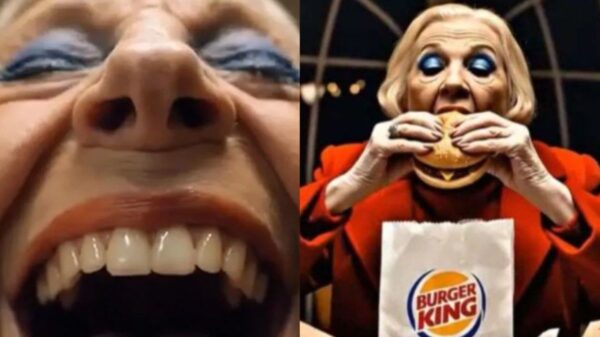

In 2025, chief marketing officers at many of the world’s leading brands have made artificial intelligence a pivotal element of their advertising strategies. However, enthusiasm for AI has led to notable controversies, including backlash over AI-generated content and concerns about the replacement of human creatives. A survey conducted in November by brand-tracking platform Tracksuit revealed that consumer sentiment toward AI-generated advertising is largely negative, with 39% of over 6,000 respondents expressing unfavorable views. Only 18% felt positive about brands using AI in their advertisements, highlighting a significant divide in public perception.
Matt Barash, chief commercial officer of adtech platform Nova, cautioned brands against automating the creative process too heavily. He remarked, “When brands ask AI to invent stories from scratch, they don’t get innovation — they get an approximation of human emotion, and the result can make headlines for all of the wrong reasons.”
Several brands found themselves in the spotlight due to their AI-related missteps this year. Notably, McDonald’s Netherlands released a holiday ad that was quickly criticized and subsequently removed. The ad, titled “most terrible time of the year,” aimed to humorously depict holiday mishaps but was met with negative responses, leading the company to issue a statement emphasizing their commitment to creating positive experiences for customers.
Coca-Cola also faced scrutiny after releasing three AI-generated holiday ads. One ad, which was a reimagining of the classic “Holidays are Coming” spot, attracted attention due to inconsistencies in the depiction of its iconic trucks. Despite past criticism of its previous AI efforts, the company defended its approach, with PJ Pereira, cofounder of production company Silverside AI, stating that Coca-Cola is focused on creatively leveraging AI rather than worrying about its imperfections.
In another incident, apparel brand True Classic was surprised to find that Meta’s advertising platform had replaced one of its top-performing ads featuring a millennial man with an AI-generated image of a grandmother. Advertisers reported that Meta’s AI tools sometimes automatically generated content even when users had opted out, resulting in unintended spending. This raised questions about the control brands have over their advertising content in an increasingly automated landscape.
Fast-fashion retailer H&M also made headlines with its ambitious plan to create “digital twins” of models for social media and ad campaigns. The initiative, which aimed to provide the models with rights to their digital counterparts, provoked mixed reactions from the fashion community. Critics raised concerns over the ethical implications of using AI-generated models, questioning the potential impact on jobs within the industry.
H&M’s chief creative officer, Jörgen Andersson, acknowledged the controversy surrounding the initiative, noting that public opinion is divided on the matter. He stated, “People will be divided. You know, ‘Is this good? Is this bad?'” In response to critiques, the brand emphasized its commitment to exploring generative AI responsibly.
Similarly, the fashion industry witnessed other brands, such as Vogue, featuring AI-generated models in ads that sparked outrage among consumers. Social media users condemned these depictions for promoting unrealistic beauty standards and threatening creative job security. Some voiced their intention to cancel subscriptions to Vogue in protest, thus illustrating the potential backlash against the increasing reliance on AI in advertising.
Despite the controversies, data from the influencer-marketing platform Collabstr indicated a decline in brand partnerships with AI social accounts, dropping by approximately 30% in the first eight months of 2025 compared to the same period in 2024. This shift may reflect growing skepticism about the long-term viability and acceptance of AI-generated content in marketing.
As brands continue to navigate the complexities of AI in advertising, they must weigh the benefits of technological innovation against the potential risks and public backlash. The ongoing debates surrounding AI-generated content suggest that while the technology holds promise, marketers will need to approach it thoughtfully to maintain consumer trust and engagement.
See also Mynd.ai Partners with Q101 Foundation to Launch AI-Driven Open Quest Academy Ecosystem
 AI Marketing Tools Revolutionize Strategy in 2025: Boost Content Creation and Engagement
 Zendesk Acquires Unleash to Enhance AI-Powered Employee Support and Search Efficiency
 Consult PR Reveals AI PPC Challenges in Niche Keywords, Hybrid Strategy in Use
 Shenzhen’s AI Robotics Festival Unveils 100+ Innovations to Transform Tourism Efficiency