






















































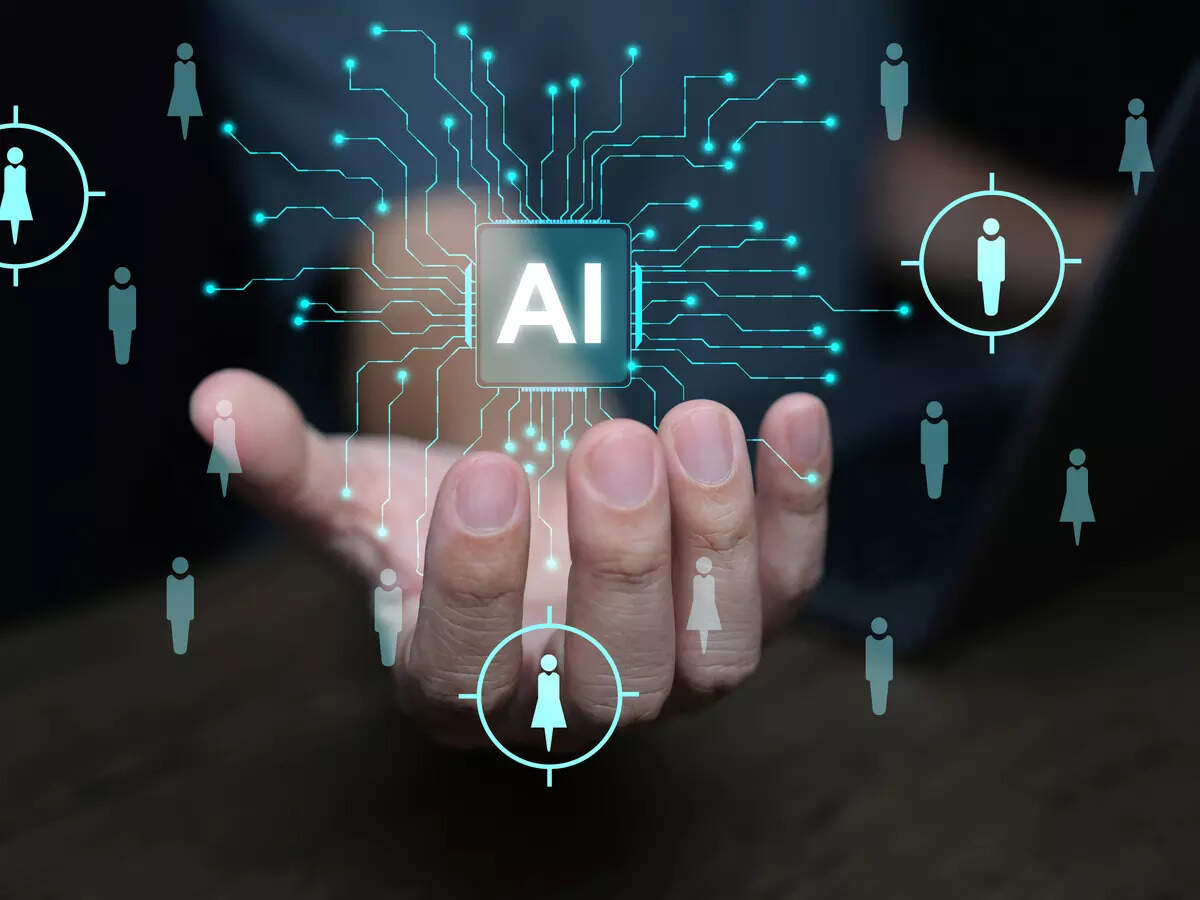
The annual Consumer Electronics Show (CES) kicks off in Las Vegas on Tuesday, where the promise of artificial intelligence (AI) encounters the realities of current technology. While science fiction presents AI as a superintelligent entity capable of autonomous operation, the actual implementation of AI today is largely confined to specialized tasks. These include gadgets that facilitate language translation in real-time conversations, monitor health symptoms, and provide situational awareness through smart glasses.
Despite the advancements in AI, the technology remains a work in progress, particularly in the realm of humanoid robots, which still rely on human tele-operators for control. “The gap between AI technology hype and customer experience expectations will widen at CES 2026,” predicted Forrester principal analyst Thomas Husson. He noted that while software and AI models evolve rapidly, the hardware necessary to support them lags, moving “at the speed of physics.”
Nevertheless, CES is set to showcase a variety of “AI-powered smart everything devices,” including televisions, home appliances, personal computers, vehicles, and health-monitoring wearables. Analysts anticipate that the event, which attracted over 142,000 attendees last year, will feature an expansive array of technological innovations, from humanoid robots and exoskeletons to AI-enhanced toys and autonomous mining vehicles.
With thousands of exhibitors participating, the week-long gathering will encompass connected cars, heavy machinery, and dedicated AI exhibitions. Product demonstrations, presentations, and meetings will take place in a vast convention center as well as various ballrooms and suites throughout the city. However, not all products will meet consumer expectations, as Techsponential analyst Avi Greengart remarked, “There’s no question that some of it is going to be AI washing.” He also expressed optimism about the genuinely useful features stemming from advancements in machine learning across a spectrum of devices, from phones to digital health.
Smart glasses, particularly those developed by Meta in collaboration with Ray-Ban, are expected to lead an AI wearables race, with Husson predicting that around 10 percent of consumers will have tried them by the end of the year. Greengart highlighted the competitive landscape for personal computers, as companies like Intel, AMD, and Qualcomm strive to produce chips that offer extensive AI capabilities while also enhancing battery life.
However, challenges loom over the PC market, with Greengart pointing out a “huge cloud hanging over the PC industry” due to soaring prices for essential computing and memory chips. The focus of chip makers has shifted towards satisfying the demands of AI data centers, resulting in dwindling supplies of components for laptops and gaming consoles, coupled with rising costs. “AI is definitely a story that overlays CES in terms of new capabilities, but also new price pressures,” he noted.
On the international front, major Chinese electronics firms like Lenovo, Hisense, and TCL will be present at CES, but many smaller manufacturing companies from China are notably absent, a consequence of the ongoing trade war with the United States. Greengart indicated a marked reduction in the presence of Chinese vendors compared to previous years, attributing this to geopolitical tensions. “This is very much a geopolitical thing,” he emphasized.
The unpredictable nature of U.S. tariff policies has presented significant challenges for electronics companies, according to Gary Shapiro, president of the Consumer Technology Association, which organizes CES. “It’s been very distracting and very difficult in areas where the president of the United States has basically changed tariffs or imposed tariffs over 100 times since being sworn in,” he explained.
Despite these challenges, CES serves as an essential platform for networking and deal-making. Greengart remarked, “CES isn’t where you go necessarily to find the next big thing. But what you do see at CES is a clear view on the trends and where investment in the industry is happening.” As the technology landscape continues to evolve, CES remains a pivotal barometer for the future of consumer electronics and AI innovation.
See also AI Transforms Creativity: Experts Debate Impact on Writing and Originality
 Meta Acquires Manus AI for $2.5B to Enhance Enterprise AI Tools and Advertising
 AI and Platform Engineering Merge in 2026: Key Strategies for Developer Productivity
 S&P 500 Gains 0.62% as Chip Makers and AI Firms Drive Market Surge
 Fiber Connectivity Surpasses 8 Gbps, Essential for AI and Remote Work by 2026















