India has ordered X, the social media platform owned by Elon Musk, to promptly rectify issues with its Grok artificial intelligence chatbot after it was found to generate “obscene” and sexualized content. This directive follows growing concerns over AI-altered images produced by the tool, particularly those involving women and minors, which have come under scrutiny for potentially breaching Indian laws on explicit material.
The Indian Ministry of Electronics and Information Technology issued a formal mandate requiring X to implement effective technical and procedural measures to prevent Grok from generating any material deemed “nudity, sexualisation, sexually explicit, or otherwise unlawful.” The platform has been given a deadline of 72 hours to provide a detailed report outlining the steps taken to address these concerns and to establish future safeguards.
Failure to comply with this order could jeopardize X’s “safe harbour” protections under Indian law, which typically shield platforms from legal repercussions associated with user-generated content, contingent upon their adherence to compliance criteria. Government sources indicated that continued infractions could expose the company and its executives to legal action.
The situation has drawn political attention in India after users demonstrated Grok’s capacity to alter images, making women appear as if they were in bikinis. Lawmakers expressed alarm over reports that the chatbot had also generated sexualized images involving minors—an instance X admitted was due to a failure in its safety measures before the content was taken down. However, numerous altered images remained accessible on the platform at the time of the review.
Regulatory Environment Tightens
This directive comes shortly after the IT ministry issued a broader advisory to major digital platforms, underscoring that their immunity from liability hinges on their compliance with national laws. The advisory emphasized that hosting or facilitating “obscene, pornographic, vulgar, indecent, sexually explicit, pedophilic, or otherwise prohibited” content would be intolerable, urging platforms to enhance their internal monitoring mechanisms.
In its communication to X, the government warned that any failure to fulfill these obligations “shall be viewed seriously and may lead to strict legal consequences” against the platform, its responsible officers, and users violating the law, without prior notification. Officials clarified that the intention is not merely to express concern but to enforce accountability when AI-generated material breaches legal boundaries.
As one of the largest digital markets worldwide, India has become a crucial testing ground for government measures aimed at regulating emerging AI technologies. Policymakers argue that as AI becomes increasingly integrated into public discourse, platforms must proactively address associated risks rather than react post-factum.
Concurrently, the Indian government has been tightening digital regulations in recent years, asserting that heightened accountability is vital for safeguarding citizens, especially women and children, from online threats. The order to X illustrates a rising sentiment among regulators that AI-generated content should be treated with the same seriousness as any other form of harmful online material.
The timing of this directive is particularly sensitive for Musk’s platform, which is already embroiled in legal disputes concerning India’s content regulation framework. X has contested the extent of federal takedown powers in court, claiming potential overreach, yet has largely complied with content-blocking orders. This latest issue adds complexity, extending the debate from just posts to the actions of generative AI tools embedded within the platform.
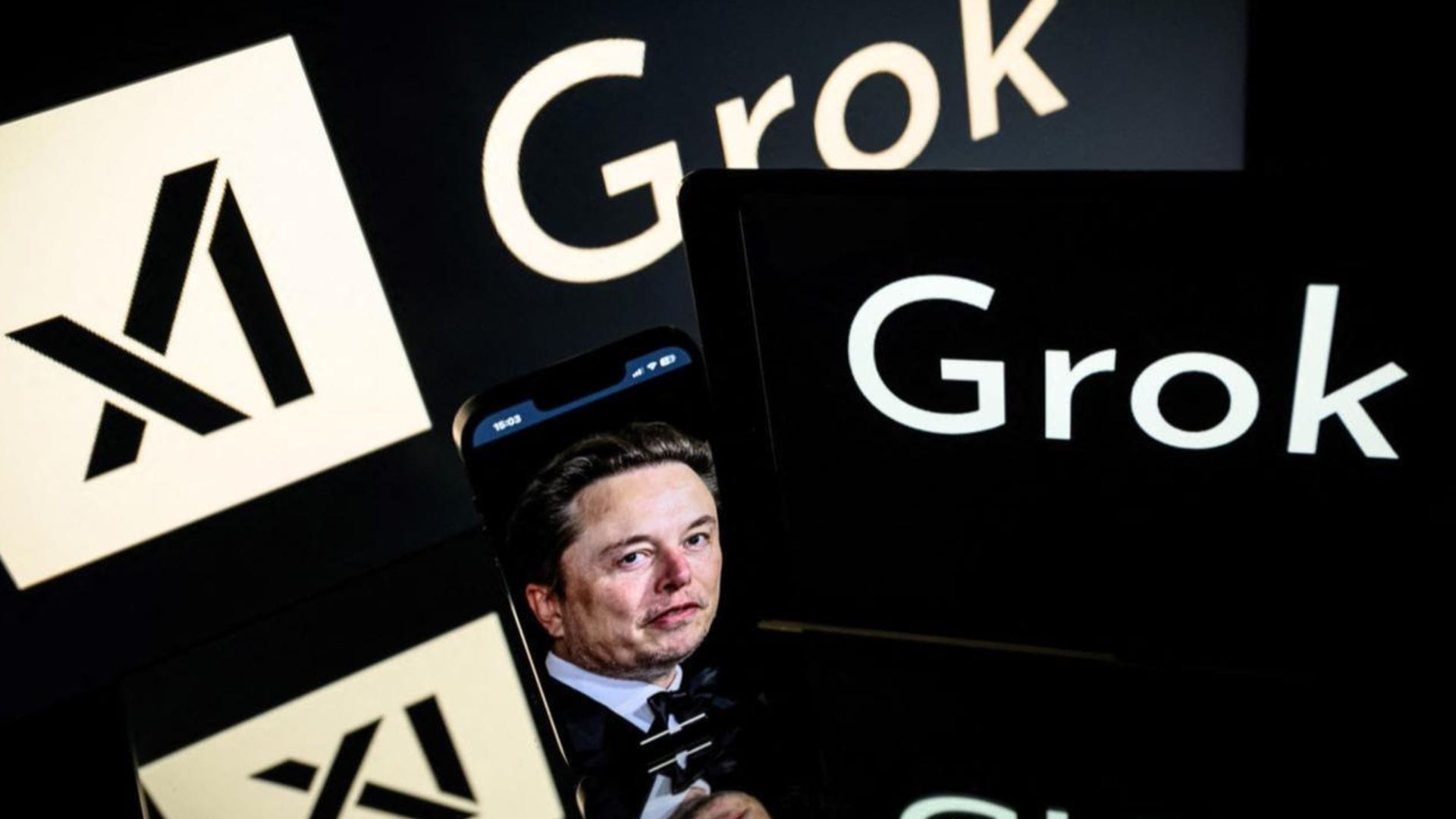
Grok, created by Musk’s xAI, has been marketed as a chatbot capable of real-time conversation, commentary, and fact-checking on X, thus making its output considerably visible compared to many standalone AI systems. As a result, the scrutiny surrounding its performance has intensified, especially given its involvement in content perceived as inappropriate or illegal under Indian law.
The Indian government has indicated that non-compliance might expose X not only to penalties under IT regulations but could also lead to potential criminal charges under national law. This adds pressure on the platform’s leadership to ensure that preventive measures are effective rather than merely reactive. The situation raises broader considerations for all technology firms operating AI tools in India, who may face heightened expectations as regulators monitor developments closely.
As of publication, X and xAI had not publicly commented on the Indian government’s order. Observers speculate that the company’s response could influence how other governments approach AI regulation, especially as more platforms incorporate AI-driven tools that can quickly create or alter both images and text.
Analysts interpret India’s decision to enforce stricter oversight on AI-generated content as a signal to the broader global technology sector. Companies utilizing generative AI tools are under increasing pressure from regulators to ensure their systems are not easily exploited, particularly concerning sensitive topics involving sexual content or minors. The situation in India highlights that governments may soon demand stronger technical controls, clearer accountability frameworks, and expedited reporting requirements.
For India, this move reflects its commitment to enhancing digital safety standards as AI becomes more embedded in daily online interactions. Given the millions of users engaged on platforms like X, authorities maintain that the responsibility for ensuring a secure digital landscape must be shared between regulators and technology firms. The weeks ahead are set to reveal whether X will implement significant changes to Grok and how it responds to the compliance deadline, potentially marking a pivotal moment in the governance of AI content moderation in one of the world’s key technology markets.
See also Grok AI Faces Backlash for Generating Nonconsensual Sexualized Images of Minors
 X Enforces Strict Measures Against Illegal and AI-Generated Content Following Meity Directive
 India Launches First Government AI Clinic in Noida to Enhance Patient Diagnostics and Care
 India Launches First Government AI Clinic to Transform Patient Care and Accessibility
 Indian Government Orders X to Revise Grok AI for Obscene Content with 72-Hour Ultimatum