






















































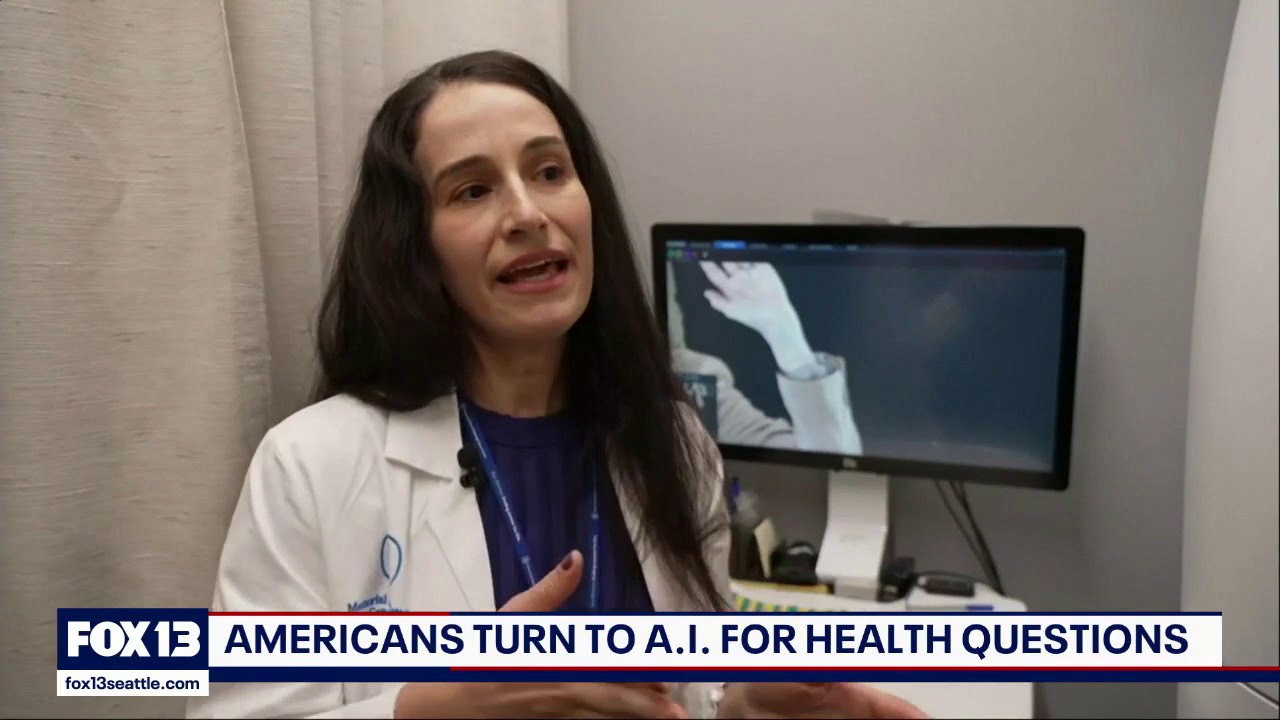
Millions of Americans are increasingly turning to artificial intelligence for health advice, reflecting a growing trend to integrate technology into personal healthcare decisions. As of January 15, 2026, medical professionals at Memorial Sloan Kettering Cancer Center are employing AI to enhance the detection of skin cancer and improve the efficiency of care delivery. While experts acknowledge the potential benefits of these innovations, they caution that patients should not depend solely on AI systems, emphasizing the necessity of human oversight in managing serious or life-threatening conditions.
The rise of AI in healthcare has been fueled by advancements in machine learning and data analytics, allowing algorithms to analyze vast amounts of medical data rapidly. Tools powered by artificial intelligence can assist in identifying patterns and predicting health outcomes, making them valuable aids for both patients and healthcare providers. In the case of skin cancer detection, AI can analyze images of skin lesions with a level of accuracy comparable to that of experienced dermatologists, potentially leading to earlier diagnoses and improved patient outcomes.
Despite these promising developments, medical professionals underscore the importance of human judgment in clinical settings. Dr. John Smith, a dermatologist at Memorial Sloan Kettering, stated, “AI can be an incredibly powerful tool, but it should supplement, not replace, the expertise of healthcare professionals. There are nuances in patient conditions that algorithms may not fully comprehend.” This sentiment is echoed by various experts, who stress the need for rigorous validation of AI tools before they are widely adopted in clinical practice.
The allure of AI in healthcare is not limited to its diagnostic capabilities. Many Americans are also utilizing AI-driven applications for health monitoring and wellness advice, reflecting a shift in how individuals approach their healthcare management. From diet and fitness recommendations to mental health support, AI tools are becoming an integral part of daily health routines. This trend has prompted healthcare providers to adapt, finding ways to incorporate these technologies into traditional patient care models.
However, the burgeoning use of AI in health-related decisions raises ethical concerns. Privacy issues linked to the handling of personal health data are paramount, as many AI applications rely on sensitive information to function effectively. There is an ongoing debate about how to balance innovation with patient privacy and data security. Regulatory bodies are also beginning to scrutinize these technologies more closely, ensuring that AI solutions meet established safety and efficacy standards.
As AI continues to evolve, its role in healthcare is likely to expand, potentially transforming how medical professionals interact with patients and diagnose conditions. The intersection of technology and medicine could lead to more personalized treatment plans and improved patient engagement. However, this future hinges on the collaboration between AI systems and healthcare providers, ensuring that technology complements rather than undermines the human element of medicine.
The conversation around AI in healthcare is just beginning. As millions of Americans seek advice from these technologies, the healthcare industry faces the challenge of integrating AI into practice while safeguarding patient welfare. Looking ahead, the emphasis will likely be on developing best practices that harness the strengths of AI while maintaining the irreplaceable value of human intuition and expertise in medical care.
See also AI Tools Enhance Research Scope but Narrow Scientific Focus, Study Finds
 AI Orchestration Platforms Enhance Collaboration Workflows, But Face Data Governance Challenges
 Syracuse Research Corporation Secures $24M US Air Force Contract for Embedded AI Development
 Ralph Wiggum Technique Revolutionizes AI Coding with Iterative Autonomy for Developers
 Kenyan Students Win US-Kenya AI Challenge with App to Reduce Maternal Mortality by 50%















