Kande, a leading voice in innovation strategy, emphasized the importance of structured approaches to innovation in a recent discussion. “If innovation is part of your strategy, put real structure behind it, from how you test new ideas to how you scale what works,” he noted. He urged companies not to undertake this task in isolation, highlighting that partnerships and new forms of collaboration can significantly accelerate market readiness.
As businesses navigate the complexities of the digital landscape, trust has emerged as a critical factor underpinning organizational relationships. However, trust is increasingly elusive, compounded by a myriad of challenges. A recent survey conducted by PwC revealed that two-thirds (66%) of CEOs faced trust issues over the past year, particularly concerning data usage and privacy (38%), transparency (38%), and the safe application of artificial intelligence (AI) (37%).
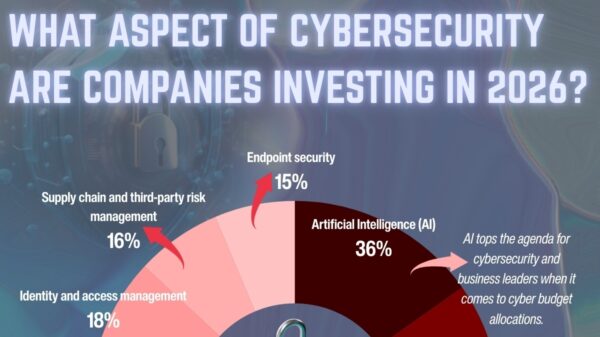
In parallel, CEOs are also expressing heightened anxiety regarding immediate threats, notably those stemming from technological disruption and cybersecurity risks. A significant one-third (31%) of respondents perceive their companies as having a high or extreme exposure to substantial financial losses due to cybersecurity threats, reflecting a 10% increase from just two years prior. This growing sense of vulnerability has prompted around 80% of CEOs to declare their intent to bolster their organizations’ cybersecurity measures.
The implications of these findings extend beyond immediate corporate strategy, as they underscore a broader trend within the business landscape. The intersection of trust, technology, and cybersecurity is becoming increasingly critical to organizational resilience. As digital initiatives expand, the demand for robust cybersecurity practices is not just a compliance issue but a fundamental business requirement.
This situation is not unique to any single industry; companies across various sectors are grappling with the dual challenge of fostering innovation while ensuring that their cybersecurity frameworks are sound. The stakes are high, as breaches can not only lead to financial losses but can also severely damage reputations and erode customer trust.
In response to these evolving challenges, businesses are reevaluating their approaches to innovation and collaboration. As emphasized by Kande, the integration of structured innovation processes with effective partnerships can enhance a company’s ability to respond to market demands swiftly and securely. The call for collaboration is echoing across industries, with many leaders recognizing that shared expertise and resources can mitigate risks more effectively than isolated efforts.
Looking ahead, organizations will need to embrace a proactive stance on cybersecurity and trust-building to thrive in an increasingly complex digital environment. As the landscape continues to change, the ability to innovate while safeguarding information will be crucial for long-term success. For companies, this means not only investing in technology but also in building transparent practices that foster trust among stakeholders.
The path forward is clear: the integration of innovative strategies with robust cybersecurity measures will be essential for companies aiming to maintain a competitive edge. The dual focus on trust and technology will shape the future of business, influencing everything from customer loyalty to market positioning.
As firms prioritize these elements, the collaboration between technology and strategic innovation will likely define the next wave of corporate growth and resilience in a digital-first world. The necessity of adapting to this new paradigm cannot be overstated, signaling an era where the interplay of trust, innovation, and cybersecurity will be a determinant of success.
See also Naver Reshapes Leadership to Drive Record Earnings with Aggressive AI Expansion Strategy
 Meta’s Stock Mispriced Amid AI Spending Surge, Analysts Target $836 in 2026
 South Korea’s AI Basic Act: A Global Regulatory Milestone Mandating Safety and Transparency
 Quantum Machine Learning Transforms Drug Discovery with Hybrid Algorithms, Tackling Molecular Challenges
 Google Quantum AI Achieves Key Milestones, Microsoft Poised for Quantum Dominance