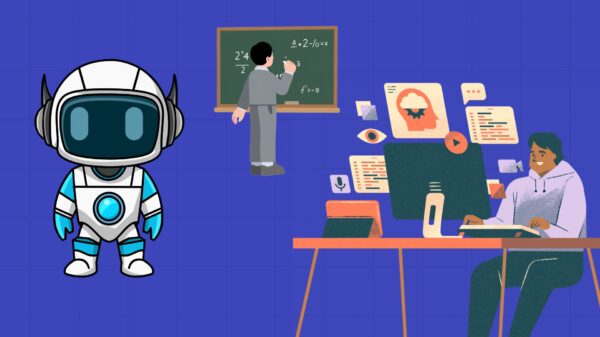
The integration of artificial intelligence (AI) into education is rapidly reshaping the landscape of both K-12 and higher education. As advanced AI tools become more accessible, educators are beginning to explore their potential impacts on teaching and learning, recognizing the necessity of preparing students for a technology-driven economy. The transformative benefits of AI in classrooms range from personalized learning experiences to reduced administrative burdens for teachers, underscoring its growing role in educational settings.
In K-12 education, AI tools are increasingly being adopted to enhance teaching methodologies. More than 85% of teachers and students reportedly utilize these technologies, leveraging AI to provide automated personalized learning. This approach allows educators to tailor instruction to meet diverse student needs, addressing varying skill levels and learning paces within the classroom. Furthermore, AI facilitates early intervention by analyzing data to identify students requiring additional support, thereby addressing academic or behavioral challenges before they escalate.
AI’s role extends to enhancing classroom instruction by providing immediate feedback and personalized learning paths, which is especially beneficial in larger class settings. By automating administrative tasks such as assessing exams and generating performance reports, AI technology alleviates some of the burdens that can inhibit teachers from focusing on direct student engagement. Additionally, adaptive tutoring tools that transcribe instructions or offer playback options cater to students’ varied learning preferences, further enriching the educational experience.
In the realm of special education, AI platforms assist educators in developing targeted interventions that align with individualized education plans (IEPs), ensuring compliance and enhancing educational outcomes. According to the World Economic Forum, AI technologies are also making strides to improve accessibility, with initiatives such as UNICEF’s adaptive textbooks aimed at providing resources to vulnerable student populations globally.
The influence of AI is equally pronounced in higher education, where institutions are witnessing a transformation in admissions processes. Historically reliant on manual reviews, many colleges are now using AI to expedite application assessments, flagging missing materials and identifying key academic indicators efficiently. This shift necessitates that prospective students submit well-structured applications aligned with admissions criteria, reflecting the changing dynamics of college admissions.
AI’s capacity for personalization is enhancing student retention and success as well. With tailored feedback and individualized learning pathways, students are more engaged, contributing to improved persistence in their educational programs. Meanwhile, the rise of online learning has prompted the integration of AI technologies to facilitate immediate support through chatbots and automated grading, making learning environments more interactive and effective.
As educators grapple with the implications of AI in academic writing and research, there is a growing consensus on the need to incorporate these tools responsibly. When utilized correctly, AI can assist in organizing research, enhancing clarity, and cultivating innovative ideas during initial drafting stages. On the operational side, leading AI systems streamline administrative functions, enabling institutions to operate more efficiently while managing enrollment data and processing admissions documents.
Despite these advancements, challenges persist in the integration of AI into educational settings. Over 87% of educators believe that AI will permanently alter the educational landscape, yet there are few regulations governing its use. Data privacy remains a pressing concern, as AI tools often rely on sensitive student information. Therefore, it is imperative that institutions evaluate data collection methods and partner with vendors committed to maintaining security standards.
Algorithmic bias is another critical issue, as AI systems may inadvertently reflect biases present in training data, potentially leading to inequitable outcomes for diverse student populations. To mitigate these risks, educators must scrutinize the decision-making processes of AI tools and ensure equitable access to learning resources. Furthermore, the threat to academic integrity poses significant challenges, as AI-powered writing tools can facilitate plagiarism. Educators are encouraged to view AI as a supplement rather than a replacement for traditional learning methods.
As the educational landscape evolves, the future of AI in education appears promising yet complex. Emerging trends suggest a hybrid approach that combines human interaction with AI capabilities, enabling students to benefit from both empathetic teaching and efficient learning technologies. Moreover, the potential for more immersive and interactive experiences is likely to grow, especially for online learners lacking traditional classroom engagement.
In an era where AI is poised to define daily life, educators and students alike must embrace these changes. Institutions must navigate the path forward, implementing policies that protect student data and ensure the responsible use of AI technologies. The development of graduate programs, such as those offered at Keiser University Graduate School, aims to prepare future educators to leverage AI effectively in their teaching practices, thereby equipping the next generation with the skills necessary for success in an AI-enhanced workforce.
See also Crypto.com Co-Founder Launches ai.com for Autonomous AI Agents on February 8, 2026
 SEO Evolves: Embrace AI SEO, GEO, and AEO for Enhanced Brand Visibility
 AI’s Resource Demand Soars: Data Centers Consume Billions of Gallons, Strain Power Supply
 AMD Competes with Nvidia and Broadcom Amid Falling Stock and Strong Q4 Estimates