In late January, a social media post claiming that former basketball player and University of Tennessee Lady Volunteers Head Coach Kim Caldwell was planning significant investments in Parkersburg captured the attention of many residents in the Mid-Ohio Valley. The post appeared to originate from a reputable Tennessee organization, drawing hundreds of shares before a reporter investigated its legitimacy.
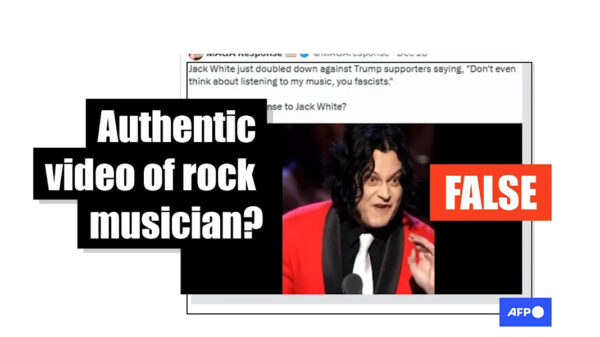
The investigation revealed that the post was misleading, filled with pop-ups and hurdles that obscured its true nature. Upon contacting Caldwell, the reporter received confirmation that the post was a product of artificial intelligence, underscoring the increasing prevalence of AI-generated misinformation on social media.
As disinformation spreads, trust in media is eroding. Traditionally, media organizations maintained rigorous standards of accuracy, providing consumers with reliable information. However, the rise of AI has blurred these lines, making it difficult for readers to discern fact from fiction. Caldwell’s case exemplifies the challenges journalists face in verifying information amidst this digital landscape.
In response to this phenomenon, media outlets are emphasizing the importance of accuracy and transparency. “We continue to hold ourselves to the standard that we must be as accurate, thorough, and fair as possible; and if we make a mistake, we will correct it,” Caldwell stated, reinforcing the need for accountability. This commitment to accuracy is vital in rebuilding trust with the public.
For the everyday reader, the challenge is even more significant. Few individuals can verify the authenticity of a social media post as swiftly as a journalist can. Experts recommend adopting a cautious approach when encountering sensational content online. As one reporter aptly noted, if a post seems too good to be true or aligns too neatly with one’s beliefs, it warrants further scrutiny.
Political actors and outside organizations have a history of leveraging social media to disseminate falsehoods, particularly evident during the 2016 elections. The susceptibility of social media users to misleading information poses a broader societal risk, exacerbating divisions and promoting discord. This environment creates a fertile ground for misinformation to thrive, leading to further mistrust in institutions and individuals.
Vince Castillo, an assistant professor at Ohio State University, highlighted the urgency of addressing this issue. He pointed out that AI-generated content is becoming increasingly difficult to identify, complicating efforts to combat misinformation. Castillo urged readers to critically assess the source of content, checking its reliability and the account’s history before sharing. “We’re in a dangerous place because we’ve been taught to immediately react to what we see on social media,” he remarked.
This quick-react culture fosters an environment where falsehoods can spread rapidly, further deepening societal distrust. Castillo’s insights echo a growing concern that the rapid dissemination of unverified information can lead to real-world consequences. In this climate, individuals must arm themselves with critical thinking skills and a commitment to verifying facts through reputable sources.
In a world rife with misinformation, it is essential for users to exercise caution. Instead of publicly confronting someone for sharing false information, it may be more constructive to privately inform them of their mistake. This gentler approach can foster a more informed community rather than escalating conflicts.
As misinformation continues to challenge societal norms, the responsibility lies with both media organizations and consumers. Engaging in thorough fact-checking and resisting the impulse to share hastily can contribute to a healthier information ecosystem. The pursuit of accuracy and truth is more important than ever; as Caldwell emphasized, “We owe it to you to keep earning your trust.”
See also Microsoft Launches AI QuickStart in Singapore; MSFT Stock Drops 5% Amid Market Volatility
 Applied Materials Faces Export Delays to China Amid AI Demand Surge and Uncertainty
 New York’s RAISE Act Mirrors California’s AI Law, Setting Precedent for National Standards
 AI Artist Ai TOT Reimagines 32 Bollywood Legends as Modern Runway Models
 NVIDIA Launches AI Lab Robotics and Earth-2 Weather Platform, Expanding into Climate Tech