Texas Instruments (NASDAQ: TXN) is making a bold strategic move, announcing a $7.5 billion acquisition of Silicon Labs (NASDAQ: SLAB) in early February 2026. This decision positions the Dallas-based chipmaker to capitalize on surging demand in the semiconductor market, especially as it shifts from heavy spending to aggressive growth. Despite a mixed earnings report, the stock has demonstrated remarkable resilience, trading near its 52-week high of $224 per share.
The acquisition is designed to enhance Texas Instruments’ manufacturing capacity, filling its newly constructed factories in Sherman, Texas, and Lehi, Utah. Under the terms of the all-cash deal, TI will pay $231.00 per share, valuing Silicon Labs at approximately $7.5 billion. While the price tag is substantial, the strategic rationale emphasizes long-term manufacturing efficiency. The company aims to move Silicon Labs’ production from external foundries to its own 300mm fabrication facilities, which can produce chips at lower costs.
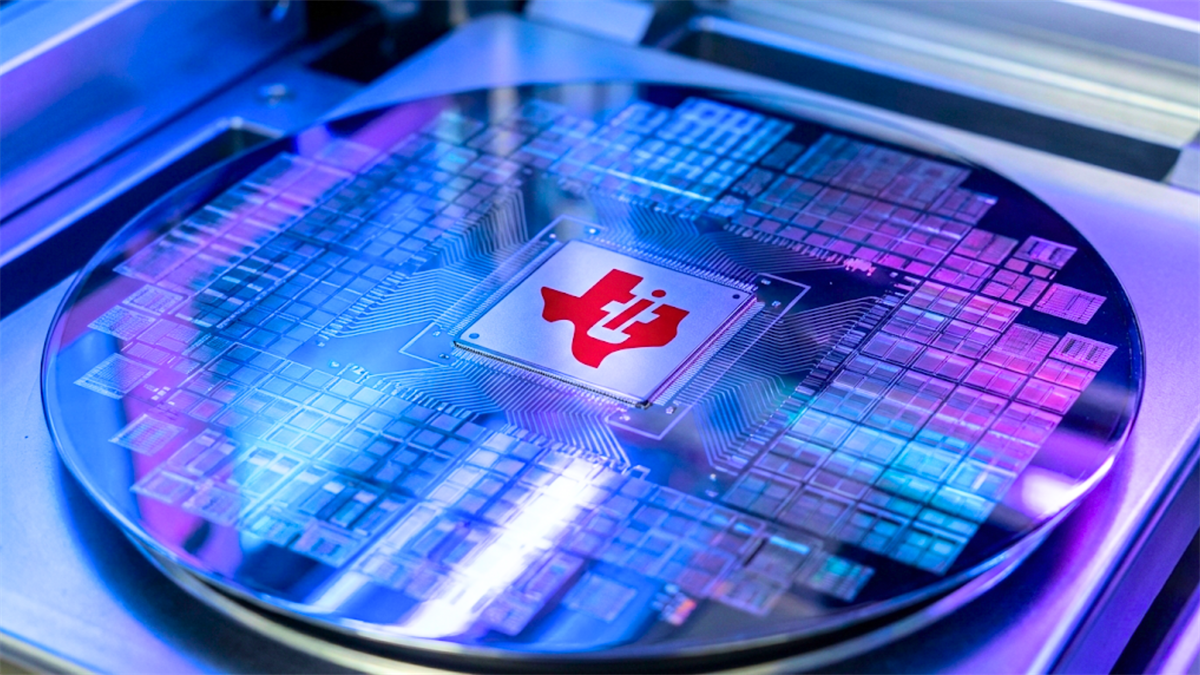
In the semiconductor industry, wafer size is critical; a 300mm wafer can yield significantly more chips than the standard 200mm wafer, driving down production costs by about 40%. However, these manufacturing plants require high volume to be profitable, and acquiring Silicon Labs is a key part of TI’s strategy to achieve that volume.
Silicon Labs specializes in wireless connectivity for the Internet of Things (IoT), offering a high-volume product portfolio that aligns with TI’s ambitions. Management projects that transitioning production to its internal facilities will generate approximately $450 million in annual savings within three years, effectively turning a challenge—underutilized factory space—into a profit engine.
Alongside the acquisition news, Texas Instruments reported mixed fourth-quarter earnings for 2025. Revenue reached $4.42 billion, marking a 10% increase year-over-year, although earnings per share came in at $1.27, missing estimates by two cents. Typically, an earnings miss would drive a stock lower, but TI shares remained stable, buoyed by strong performance in the Data Center segment, which saw revenues soar by approximately 70% year-over-year.
This growth is largely attributed to the burgeoning demand for artificial intelligence (AI) infrastructure. While Texas Instruments does not produce the high-cost AI processors, such as those from Nvidia, it manufactures essential power management chips that are crucial for the efficient operation of these processors. This robust demand in the Data Center sector has provided a buffer against slower growth in TI’s industrial and automotive segments, which are still recovering.
Looking forward, Texas Instruments is strategically pivoting from an investment phase to a cash generation phase. The company reported a staggering free cash flow (FCF) of $2.9 billion in 2025, representing a 96% increase from the previous year. This improvement is attributed to a peak in capital expenditures, which are expected to decline from $4.6 billion in 2025 to between $2 billion and $3 billion in 2026. Additionally, TI began reaping benefits from a 35% Investment Tax Credit under the U.S. CHIPS Act, which directly enhances its bottom line.
With cash flow surging and expenditures decreasing, Texas Instruments has ample capacity to maintain its dividend, which has increased for 22 consecutive years and currently stands at $1.42 per share quarterly, yielding approximately 2.5%. This financial stability makes TI a reliable choice for conservative investors seeking income.
Ultimately, Texas Instruments is executing a calculated strategy that blends aggressive expansion through acquisitions with a focus on manufacturing efficiency. By integrating Silicon Labs into its operations, TI aims to fill its factories with high-margin products, thereby leveraging its investments in domestic manufacturing capacity. While the acquisition does present risks, including a lengthy closing timeline expected in 2027, the company’s immediate fundamentals are improving. The sharp 70% growth in data center revenue and the stabilization of industrial markets position TI favorably for future gains.
As the semiconductor landscape continues to evolve, Texas Instruments is strategically well-placed to benefit from the ongoing AI boom while managing the challenges in other sectors.
See also Tech Giants Invest $200B+ in AI, Straining Power Grids and Labor Markets Amid Economic Shift
 NVIDIA Engineers Leverage Generative AI to Triple Code Output for Enhanced Efficiency
 ePlus Boosts 2026 Sales Forecast to 22% Amid AI Expansion and Strategic Acquisitions
 AI Revolutionizes HR Decisions: 60% of Managers Now Rely on AI for Promotions and Raises
 Nvidia GB10 System Automates Reporting, Reducing Staffing Needs by Over 99%