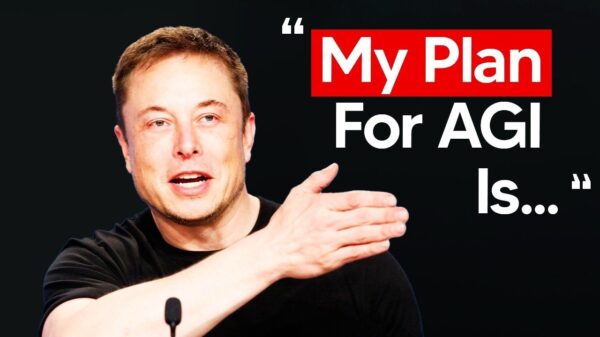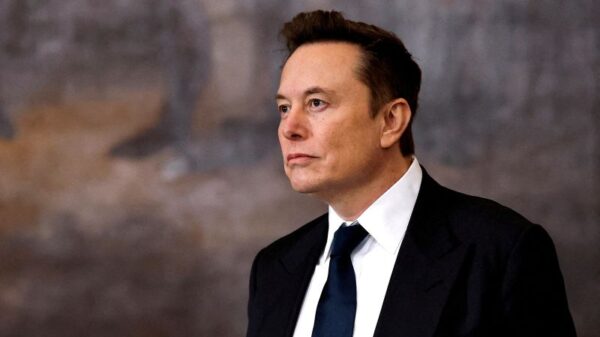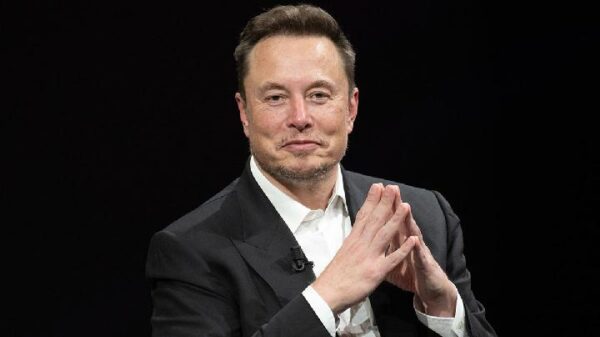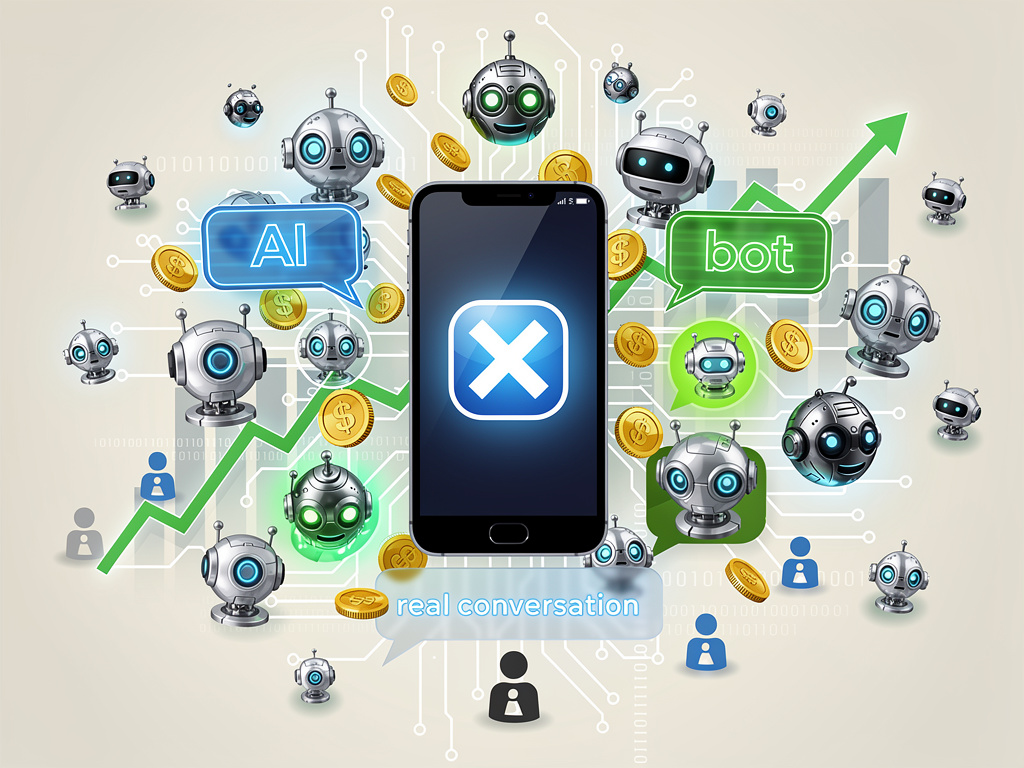
In a candid acknowledgment of the challenges facing social media, Elon Musk has recognized that artificial intelligence bots are increasingly infiltrating X — formerly known as Twitter — potentially undermining genuine human interaction. His remarks, made recently, have reignited discussions regarding the future of online discourse and the economic viability of social media platforms as AI-generated content becomes more pervasive, often indistinguishable from authentic user posts.
Musk’s comments were sparked by rising user concerns about the growing volume of AI-driven accounts on X, which generate replies, posts, and entire threads that mimic human conversations. As reported by UNILAD Tech, he cautioned against a future where AI dominates social media, warning that such a scenario would thwart the very purpose of these platforms. This admission is particularly significant given Musk’s control over one of the largest social networks, and it highlights how X’s own monetization strategies may have exacerbated the issue he now publicly addresses.
The presence of bots on social media is not a new phenomenon. Platforms like Facebook, Instagram, and X have long battled automated accounts responsible for spreading misinformation and inflating engagement metrics. However, the rise of advanced language models — such as OpenAI’s GPT series and Anthropic’s Claude — has intensified the problem. Today’s AI bots are capable of crafting nuanced opinions and engaging in multi-turn conversations, developing recognizable “personalities” that attract real followers.
Recent analyses indicate a sharp increase in AI-generated content on X over the past year. Estimates suggest a significant portion of replies to high-profile posts is now bot-generated, often designed to exploit engagement and profit from X’s creator payment program. This situation creates a troubling incentive structure: the more engagement a post garners, the more its author earns, and AI bots can generate this engagement at speeds and scales beyond human capability.
Since Musk’s acquisition of Twitter in late 2022, which was subsequently rebranded as X, he has implemented sweeping changes to the platform’s verification and monetization systems. The traditional blue checkmark was replaced by a subscription model under X Premium, alongside a revenue-sharing program aimed at rewarding creators for meaningful engagement. However, this system has inadvertently attracted bot operators who exploit AI for high-volume content generation with minimal effort.
Musk’s public comments suggest he is aware of this fraught dynamic. The irony is evident: the very financial incentives designed to attract creators are now appealing to bot farms. Industry experts note that without effective detection and enforcement mechanisms, any engagement-based payment system risks attracting automated exploitation. The challenge for X — and for Musk personally — is to find a way to incentivize authentic creativity without inadvertently promoting synthetic content mills.
The task of identifying AI-generated content has become one of the most pressing challenges in the social media sector. Traditional methods of bot detection, which relied on spotting unusual posting patterns or identical text across multiple accounts, are becoming obsolete. Modern AI bots can adapt their posting schedules, paraphrase content to evade detection, and even mimic the grammatical quirks and typographical errors typical of human writing. Some operators take it a step further by using AI to create unique profile pictures and bios, making their accounts virtually indistinguishable from those of real users.
X has introduced measures to combat these issues, including phone number verification for new accounts and machine learning models to flag suspicious activity. However, results have been mixed. Legitimate users have reported being falsely flagged or shadowbanned, while sophisticated bot operators often find ways to bypass these safeguards. This ongoing battle resembles a broader cybersecurity challenge, where every new defense elicits innovative evasion tactics from attackers.
Musk’s concerns are not isolated to X; the social media industry as a whole is grappling with the implications of AI-generated content. Platforms like Meta have initiated labeling requirements for AI-generated images, while YouTube has introduced disclosure rules for synthetic video content. Despite these efforts, the sheer volume of AI content continues to overwhelm the industry’s capacity for effective management.
As Musk’s recent remarks underscore, the stakes for social media platforms are existential. Users must navigate an increasingly unreliable information landscape, where seemingly organic conversations might be orchestrated by bots. This erosion of trust could have lasting ramifications, affecting public discourse, political campaigns, and consumer behavior. For advertisers, the bot issue is equally troubling, as brands invest heavily to reach authentic human audiences. If engagement metrics are inflated by AI bots, advertisers’ return on investment could be severely compromised.
Musk’s admission about the AI bot crisis signifies a pivotal moment for the social media landscape. It highlights the urgent need for platforms to develop more effective countermeasures. While the proposed solutions could include stricter verification processes or a restructuring of monetization models to prioritize quality over quantity, the path forward is fraught with challenges. Ultimately, the future of X — and the broader social media ecosystem — hinges on addressing these issues before the balance between human connection and automated content tilts irreversibly towards machines.
See also AI Video Tools Transform Content Creation: Fast, Accessible Solutions for Businesses and Educators
 Novi AI Launches Independent Creation Studio to Enhance AI Workflow Integration
 Comfy Integrates HitPaw API for Enhanced AI Image and Video Processing Solutions
 Sridhar Vembu Urges India to Prioritize Smaller AI Models Over Large LLMs
 UK Government Partners with Microsoft to Launch Comprehensive Deepfake Detection Framework