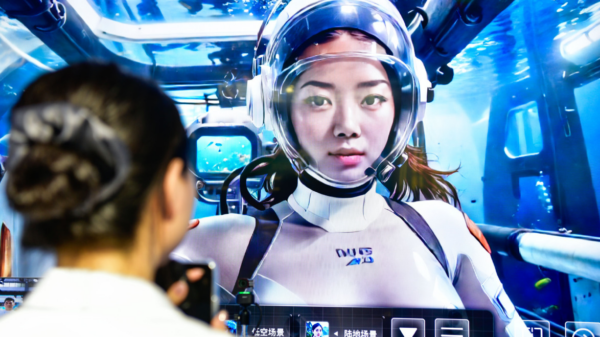
The rise of artificial intelligence has significantly altered the landscape of digital content creation. Among the most notable advancements are AI-powered video creation platforms that enable users to generate videos from simple inputs like text and images. These tools aim to make video content creation faster and more accessible, particularly for individuals and businesses lacking traditional video editing skills.
One platform exemplifying this innovation allows for the rapid and straightforward creation of visually appealing videos through natural language input or image uploads. While AI-generated content is not a new concept, the latest generation of tools emphasizes usability and efficiency, catering to creators across various sectors.
AI video tools typically function by converting user-provided input—such as text prompts or images—into sequences that can include animations or pre-designed templates. Often, these platforms automatically apply soundtracks and voiceovers, enabling users to produce a final video in just a few minutes. The underlying technology utilizes machine learning models trained on extensive datasets of images, video clips, and audio files, allowing algorithms to analyze input and generate coherent visual and auditory content based on learned patterns.
Standard features across most AI video tools include text-to-video conversion, where users provide a script that the system transforms into a visual sequence. Uploaded images can be animated or combined with other visuals, while sound and voiceover capabilities allow for the automatic addition of background music or synthetic narration. Furthermore, pre-built templates guide users in designing videos for purposes such as social media, marketing, or education, with export options typically available in multiple formats for online sharing. These features are crafted to simplify the creative process, especially for those without extensive technical expertise.
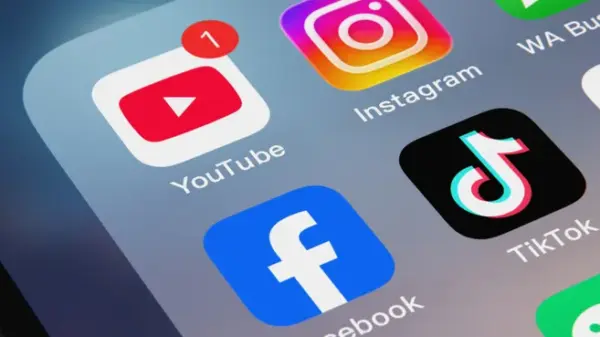
The applications of AI-generated videos span several domains. In marketing and advertising, businesses are increasingly using these tools to create promotional content quickly and at a lower cost compared to traditional video production methods. In education, teachers and instructional designers can generate engaging educational videos without requiring advanced editing skills. Additionally, influencers and content creators leverage these tools to produce frequent and visually appealing content on platforms such as TikTok, Instagram, and YouTube. Moreover, organizations utilize AI video tools for internal communications, including training materials and announcements, reflecting the versatility these tools offer for various professional and personal use cases.
The appeal of AI-powered video creation lies in several advantages. The speed at which videos can be produced has dramatically decreased, with projects that once required hours of editing now completed in minutes. Accessibility is another key factor; users do not need advanced technical or design skills to produce compelling content. Cost efficiency also plays a significant role, as the tools reduce the reliance on professional video editors or studio equipment. Additionally, the iterative nature of these platforms allows users to experiment easily with different scripts, visuals, and sounds, contributing to growing adoption among small businesses, educators, and content creators.
Despite these benefits, there are notable limitations to consider. The quality of AI-generated visuals may vary, often lacking the polish of professionally edited footage. Concerns about originality arise, as algorithms might produce content resembling existing media, leading to potential copyright issues. Furthermore, automated editing may not always yield fully coherent storytelling or pacing, and some tools may impose restrictions on creative control compared to traditional video editing software. Users should weigh convenience against quality and originality when employing these tools.
The emergence of AI-generated content also raises ethical and legal questions regarding authorship, copyright, and fair use. For instance, using AI to replicate an artist’s style or combine copyrighted images can lead to legal complications. Many platforms provide guidelines and usage agreements to navigate these intellectual property issues, highlighting the importance for creators to ensure compliance with relevant laws and ethical standards, particularly when producing videos for public distribution.
The proliferation of AI video tools has significant implications for the traditional media and creative industries. Some video editors and animators perceive AI as a threat to employment, while others view it as a complementary tool that enhances routine tasks. Educational institutions and professional workshops are increasingly incorporating AI content tools into their curricula, preparing students for an evolving industry landscape.
Recent surveys illustrate a growing interest in AI video creation across various sectors. Small businesses frequently adopt AI tools for social media campaigns, while educators implement AI-generated videos for lesson summaries and tutorials. Nonprofit organizations are also exploring these technologies to convey information quickly and effectively. As the capabilities of these platforms improve, further expansion in adoption is expected.
Several AI video platforms compete within the market, each offering distinct strengths and trade-offs. Users often face a choice between ease of use and customization, as some tools prioritize rapid creation while others allow for more manual adjustments. Variations in output quality, such as image resolution and audio fidelity, also exist among platforms, alongside differing pricing models that influence accessibility. Prospective users should carefully evaluate tools based on their specific needs and intended audience.
Looking ahead, AI video generation is likely to evolve in multiple ways. Expectations include improved realism in visuals and audio, the potential for interactive content that incorporates branching narratives, and the integration of AI tools for text analysis and voice synthesis. Regulatory developments regarding intellectual property and transparency may also shape the future of how AI-generated content is utilized.
For individuals or organizations considering AI video tools, implementing best practices can enhance the overall value and impact of their projects. Careful planning of scripts and visual concepts can significantly improve coherence, while testing outputs and allowing for iterations before wide distribution can ensure quality. Moreover, maintaining awareness of potential ethical and legal implications is crucial in the responsible use of these technologies.
AI-powered video creation platforms are reshaping the digital content production landscape. By enabling rapid video generation from text or images, these tools offer accessibility, speed, and flexibility for a variety of creators. Nonetheless, users must navigate limitations and legal considerations as they embrace these technologies. As AI continues to advance, striking a balance between automation and human creativity will remain a critical aspect of the evolving content creation process.
See also Novi AI Launches Independent Creation Studio to Enhance AI Workflow Integration
 Comfy Integrates HitPaw API for Enhanced AI Image and Video Processing Solutions
 Sridhar Vembu Urges India to Prioritize Smaller AI Models Over Large LLMs
 UK Government Partners with Microsoft to Launch Comprehensive Deepfake Detection Framework
 Adele Chinda Advances Multimodal AI Research at Georgia State University with Defense Collaborations