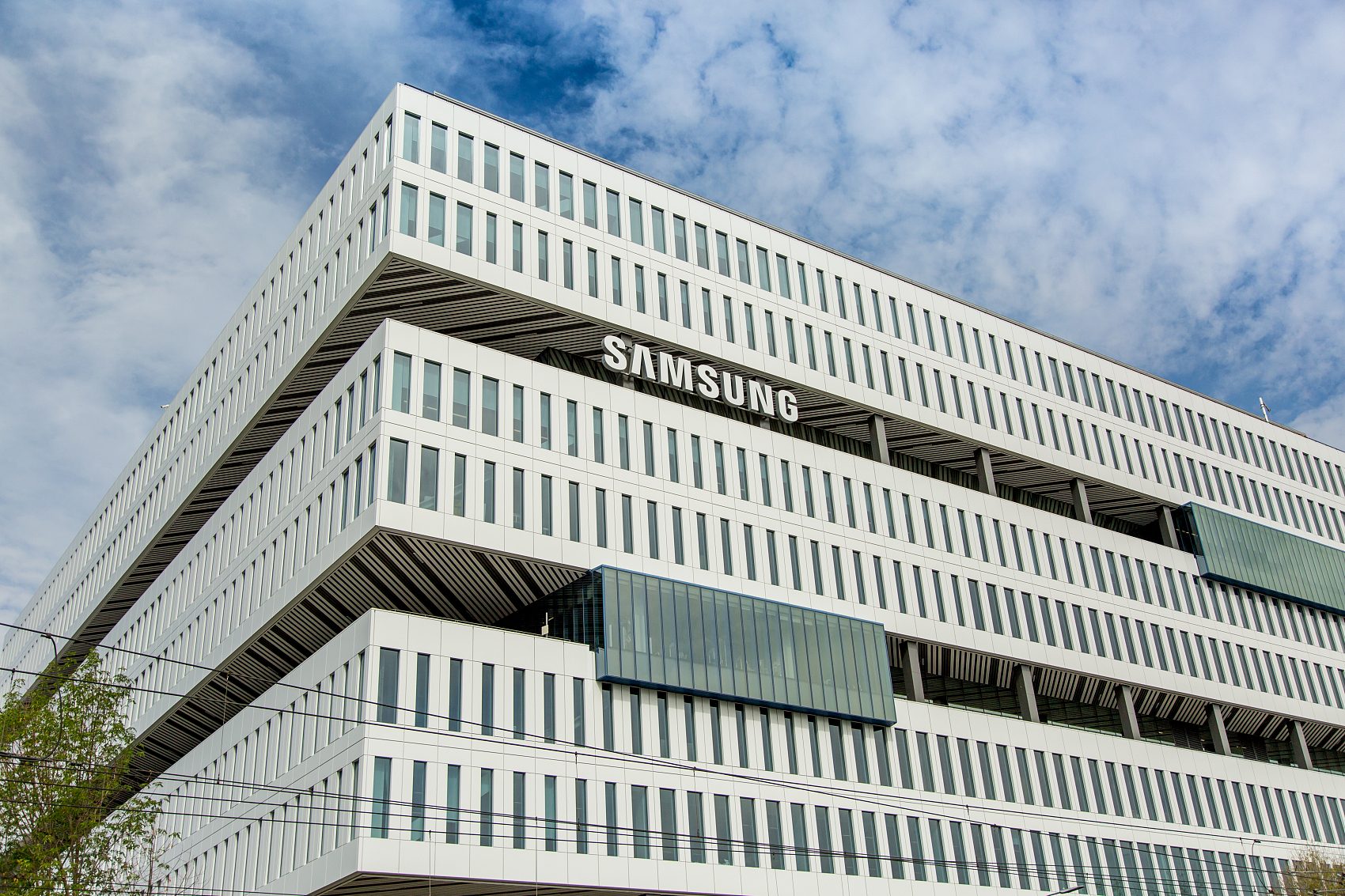
Samsung Electronics is poised to begin mass production of its sixth-generation High Bandwidth Memory (HBM4) shortly after the Spring Festival holiday, according to reports from Gelonghui on February 8. This new memory technology will be integrated into NVIDIA’s forthcoming artificial intelligence computing platform, known as Vera Rubin. Sources from the semiconductor industry, as reported by Yonhap News Agency, indicate that Samsung plans to kick off production by the third week of February. Following successful certification tests by NVIDIA, the production timeline was finalized in alignment with the anticipated launch of Vera Rubin.
This launch signifies the world’s first mass production and shipment of HBM4, marking a significant milestone in memory technology. The HBM4 is expected to enhance the performance of various applications, particularly in the realm of artificial intelligence. Industry analysts predict that NVIDIA will showcase products featuring Samsung’s HBM4 at its upcoming annual developer conference (GTC) in March.
The new memory type boasts a maximum data processing speed of 11.7 Gbps, a notable upgrade from the 8 Gbps standard established by the Joint Electron Device Engineering Council (JEDEC). This speed enhancement is expected to provide a substantial boost to the performance metrics of AI-driven applications, which require rapid data processing capabilities.
The collaboration between Samsung and NVIDIA underscores the growing demand for advanced memory solutions as artificial intelligence technologies continue to evolve. As companies increasingly focus on AI, the need for robust computing hardware has become paramount. The introduction of HBM4 is anticipated to facilitate faster and more efficient processing, aiding developers in creating more sophisticated AI models.
Samsung’s decision to enter mass production of HBM4 comes at a critical time when the competition in the semiconductor sector is intensifying. Major players are racing to develop next-generation technologies that can meet the surging demands of AI applications. This strategic move not only positions Samsung at the forefront of memory technology but also aligns with NVIDIA’s efforts to enhance its computing power for AI and machine learning tasks.
With the annual GTC conference on the horizon, the industry is keenly awaiting NVIDIA’s announcements regarding new products equipped with HBM4. Such developments could redefine benchmarks in AI computing and set the stage for future advancements in the field. As AI continues to permeate various sectors, the implications of Samsung’s HBM4 production could resonate well beyond the tech industry, potentially influencing a wide range of applications from autonomous vehicles to healthcare innovation.
See also NVIDIA Delays Gaming GPU Launch as Memory Shortage Disrupts Market Dynamics
 AI Augments Software Development: Demand for Engineers to Double by 2027
 Chinese Researchers Unveil FLEXI Chip with 10,628 Transistors, Revolutionizing Flexible AI Computing
 SpaceX Acquires xAI, Aiming for Orbital AI Data Centers Within 2 Years