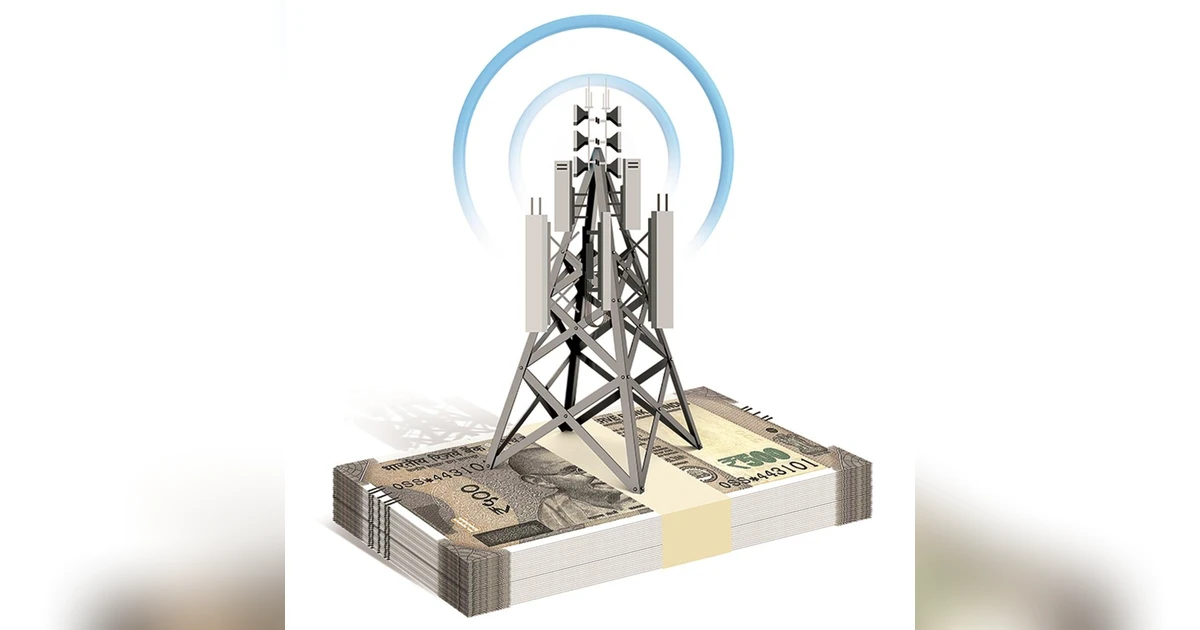
Indian private telecommunications companies, along with the state-run Bharat Sanchar Nigam Limited (BSNL), are advocating for a significant increase in international termination charges. They are seeking to raise the ceiling to a minimum of ₹4 per minute, with aspirations of reaching ₹5 per minute, in an effort to align these rates with global standards. As of the fiscal year 2025, the international termination charges (ITC) for various countries, including China, the UK, South Korea, Vietnam, Turkey, and Sudan, stood at $0.06, $0.03, $0.02, $0.06, $0.20, and $0.25, respectively.
The Cellular Operators Association of India (COAI) has highlighted that the current international terminal charges are settled in U.S. dollars with global operators. This arrangement has made Indian operators increasingly vulnerable to fluctuations in the currency market. The depreciation of the Indian Rupee against the U.S. dollar has substantially elevated the effective costs associated with India’s outgoing international termination. This situation has intensified the financial strain on Indian telecom companies, making it imperative for them to push for revised tariffs that reflect current economic realities.
Industry insiders suggest that the recommended increase in termination charges is not merely a reaction to current market pressures but also a strategic move to ensure the sustainability of telecom services in India. The existing rates have remained unchanged for several years, failing to account for inflation and rising operational costs. As telecom operators grapple with these challenges, the call for higher charges serves as a vital lifeline for maintaining service quality and competitiveness.
Analysts note that aligning India’s rates with those of other nations could bolster the financial health of local carriers. The disparity in international termination charges can be detrimental, as operators in countries with lower rates may be more competitive in attracting international calling traffic. If Indian telecom operators are to remain viable in the global telecommunications landscape, adjusting these charges appears necessary.
Moreover, the regulatory landscape surrounding international calling rates is also evolving. The Indian government has previously indicated a willingness to examine and potentially reform the framework governing telecommunications. Should operators succeed in their campaign for increased termination charges, it could signal a broader shift in the industry, encouraging investment and innovation in telecommunications infrastructure.
As the discussions continue, stakeholders in the telecom sector are closely monitoring the situation, understanding that any changes could have ripple effects across the industry. A favorable outcome for the telecom operators may not only improve their financial standing but could also enhance service delivery and consumer satisfaction in the long run.
Looking ahead, the outcome of these efforts will be pivotal for the future of the Indian telecommunications landscape. A successful revision of international termination charges could lay the groundwork for broader reforms, potentially inviting greater foreign investment and fostering a more competitive environment. As the industry navigates these challenges, the actions taken in the coming months will likely shape the trajectory of telecommunications in India for years to come.
For more information on the state of the telecommunications industry in India, visit the COAI website. To understand global telecom tariffs, see the ITU statistics page.
See also AI Ethics Revolutionized: Hindman’s Insights Transform Play Therapy Practices at ACC 2025
 Runway AI Secures $315M Funding, Boosting Valuation to $5.3B for 3D Model Development
 Trump’s AI Czar Warns 1,200 State AI Laws Risk U.S. Leadership in Global Race
 Allonic Secures $7.2M in Hungary’s Largest Pre-Seed Round for Robotic Bodies