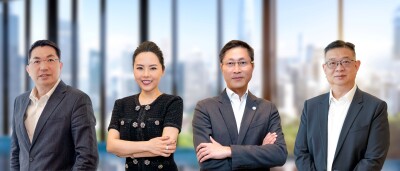
HONG KONG SAR – In a significant step towards integrating artificial intelligence into education, the Education Bureau of Hong Kong, alongside the Hong Kong Productivity Council (HKPC) Academy and Hong Kong Education City (EdCity), hosted the inaugural “AI in Education Forum Series & Showcase” from February 5 to 6, 2026. This event aligns with the national “15th Five-Year Plan,” facilitating the “AI+” initiative aimed at enhancing educational quality through comprehensive digitalisation. The forum attracted over 5,000 participants, including nearly 3,000 representatives from schools, academia, and government bodies, focusing on innovative applications of AI in education.
The opening ceremony featured prominent figures such as Dr. SZE Chun Fai, Under Secretary for Education, and Dr. Lawrence CHEUNG Chi-chong, Chief Technology Officer of HKPC. The event showcased more than 60 booths representing diverse EdTech solutions and hosted over 20 seminars and workshops led by industry leaders. These sessions provided insights into the latest education trends and teaching strategies, while professionals from HKPC Academy offered tailored consultations to assist schools in selecting appropriate e-learning and AI solutions.
Dr. Lawrence CHEUNG emphasized HKPC’s commitment to supporting the integration of digital education in schools, stating, “HKPC fully supports the HKSAR Government in promoting digital education and helping schools seize the opportunities of the AI era.” He highlighted the establishment of the EdTech Hub, designed to provide schools with AI tools and professional development resources, thereby enhancing learning experiences and fostering innovation within Hong Kong’s educational framework.
A panel discussion featuring experienced school principals addressed the challenges and opportunities of implementing AI in educational settings. During the session titled “Achieve More with Less: AI Integration Strategies for Hong Kong Schools,” six principals shared their experiences and strategies for leveraging AI technologies to optimize teaching processes and improve learning outcomes.
The exhibition also spotlighted 22 projects supported by the Quality Education Fund (QEF), aimed at enhancing e-learning capabilities. Notable projects included the “Metaverse English Learning World,” developed by the Chinese Young Men’s Christian Association of Hong Kong, which immerses students in an interactive environment to improve their English speaking and listening skills. Another significant initiative, the “Lambda Math” Secondary Mathematics Learning Platform, created by The Chinese University of Hong Kong, offers personalized learning experiences through an extensive library of questions and instructional materials, enabling data-driven teaching approaches.
Dr. CHAN Kai Leung, a lecturer at The Chinese University of Hong Kong, expressed gratitude for the platform’s visibility at the event, noting a spike in inquiries and subscriptions following the showcase. Similarly, Mr. WONG Wai-kit, from Yan Chai Hospital, discussed the “LATTE” platform, which integrates AI and big data to provide tailored English reading resources and improve the assessment capabilities of educators.
The forum also introduced the “AI for Empowering Learning and Teaching Funding Programme,” aiming to assist in the integration of AI into daily teaching practices. HKPC Academy provided insights into the programme and facilitated planning sessions for schools to effectively utilize funding for AI-enhanced educational solutions. Additionally, HKPC Academy launched a series of AI-focused training courses catering to local primary and secondary schools as well as special educational needs (SEN) institutions, covering topics such as AI literacy and inclusive education strategies.
This event marks a pivotal moment in Hong Kong’s educational landscape, emphasizing the role of technology in shaping the future of learning. As stakeholders continue to explore the potential of AI in the classroom, the focus remains on creating inclusive and effective educational environments that cater to diverse learning needs and prepare students for an increasingly digital world.
See also Bend-La Pine Parents Rally Against Ed-Tech Reliance, Urging Reduction in Screen Time
 Dharmendra Pradhan Chairs Edtech AI Roundtable at IIT Delhi to Boost National Education Goals
 200 Students Reach Consensus on AI in Schools: Emphasize Critical Thinking Over Tools
 AI Revolutionizes Learning Space Design: Join Experts on March 11 for Insights
 ASU FOLC Fest Reveals AI Innovations Enhancing Lifelong Learning and Accessibility