
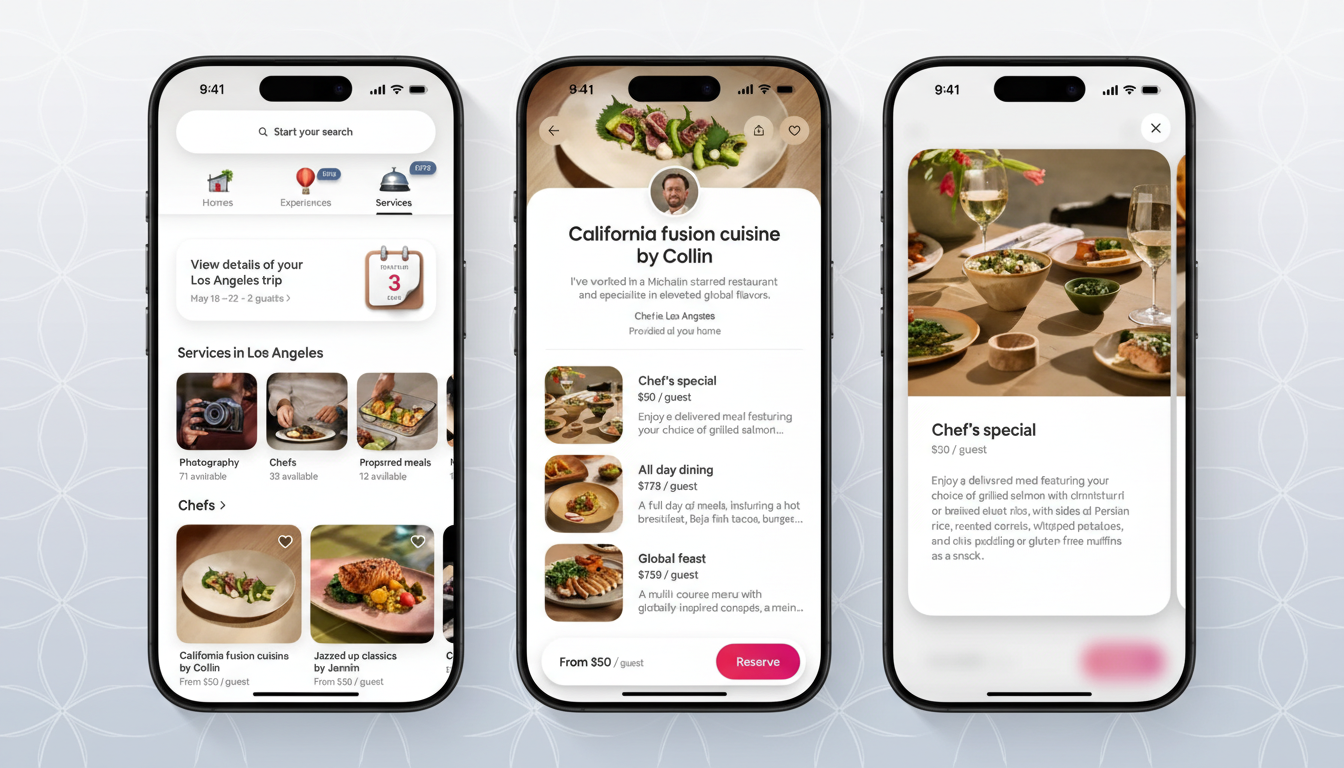
Airbnb is shifting gears in its approach to technology, launching a comprehensive AI initiative aimed at enhancing user experience across its platform. CEO Brian Chesky recently detailed plans to integrate large language models into several key areas, including search, discovery, and customer support. This initiative is designed to help travelers find suitable accommodations more efficiently, manage trip planning, and provide hosts with smarter tools for listing management, while also optimizing internal operations.
Chesky positioned this transition as part of Airbnb’s evolution into an “AI-native” application, where the platform adapts to user preferences over time. Instead of requiring travelers to navigate through filters and maps, the company is exploring natural language search capabilities that can intelligently interpret requests such as “quiet beachfront homes with reliable Wi-Fi and a workspace near Lisbon in May.” The aim is to deliver ranked and clear results that take into account the user’s profile, travel history, and specific needs, enhancing the overall trip planning experience.
Currently, the initial version of this feature is limited to a small segment of user traffic as Airbnb tests various workflows, safety measures, and ranking algorithms. The company envisions an evolution toward a more integrated search experience that goes beyond mere query matching, encompassing itinerary creation, neighborhood recommendations, and suggestions for activities, reflecting a significant advancement in user engagement.
Monetization Will Follow Experience In Conversational Search
When questioned about the potential for sponsored placements within conversational search, Chesky emphasized that design would take precedence, with monetization to follow. He suggested that any advertising units introduced would be seamlessly integrated into the chat-like interactions, mitigating disruptive experiences for users. This approach aligns with a broader discussion within the tech industry regarding the integration of advertisements into AI-driven interfaces, raising concerns about transparency and fairness in ranking.
Any integration of sponsored listings within AI results will necessitate robust disclosure mechanisms and controls for both guests and hosts. Given that ranking already influences booking outcomes significantly, even modest changes in conversational recommendations could have substantial implications for visibility and pricing strategies across the platform.
Airbnb’s existing AI-driven support bot, which was introduced in North America, currently manages approximately one-third of customer service inquiries autonomously. The next phase includes expanding voice support and language capabilities, aiming for a future where significantly more than 30% of customer tickets are resolved by AI. This growth will require stringent oversight to mitigate issues such as misinformation and to establish clear escalation pathways, particularly in complex scenarios like last-minute cancellations or safety concerns where human empathy is crucial.
Analysts have long predicted an increase in automated customer interactions, but the travel sector poses unique challenges due to the interconnected nature of bookings, payments, identity verification, and the overall travel experience. Successful implementation could streamline service for routine inquiries while reserving human agents for more critical situations.
Central to Airbnb’s strategy is its extensive database of user identities, listings, and reviews—data that is essential for personalization and fraud detection. New CTO Ahmad Al-Dahle, who has experience in pioneering AI initiatives at a leading social platform, is expected to guide how Airbnb combines its proprietary data with foundational AI models to enhance the relevance and reliability of its recommendations, all while maintaining user privacy and trust.
Currently, the company reports that around 80% of its engineers are utilizing AI tools, with a goal to reach full adoption. This shift is in line with a broader industry trend toward integrating AI capabilities to accelerate development timelines. The challenge will lie in governance, ensuring that standards are maintained, models are evaluated effectively, and that updates do not compromise ranking or policy enforcement.
This strategic pivot comes at a time when Airbnb is experiencing robust financial performance, reporting fourth-quarter revenue of $2.78 billion, a 12% increase year-over-year. Such financial stability allows the company to invest in long-term product innovations. The competitive landscape in the travel industry is heating up, with Booking Holdings and Expedia Group also launching AI-driven initiatives, including conversational trip planners and support assistants.
For Airbnb, the implications of these changes extend beyond mere convenience. Improved search capabilities can alleviate user fatigue, enhance guest satisfaction, and help hosts better manage demand throughout the year. On the flip side, any missteps—such as biased recommendations or unreliable support—could undermine user trust. As regulatory frameworks around AI continue to develop, Airbnb may face increased scrutiny regarding explainability and risk management practices.
Looking ahead, industry observers will be keen to monitor how quickly Airbnb expands its conversational search features and whether it publishes key performance metrics related to user engagement and booking conversion rates. Additionally, the introduction of sponsored units will be closely watched for compliance with transparency standards, along with the effectiveness of voice support across different languages and scenarios. The impact of AI tools on internal workflows will also be significant as Airbnb aims for full engineering adoption.
If successfully executed, Airbnb’s vision of transforming its app from a listing directory to a proactive trip assistant could redefine how users experience travel planning. Ultimately, the effectiveness of these initiatives will be gauged by the ability of guests to discover better accommodations with reduced effort and by hosts to achieve consistent demand—all while upholding the trust that is foundational to Airbnb’s marketplace.
See also ParOne Appoints Sheryn Richards to Lead Marketing for AI Golf Platform AVA Golf
 Top 10 AI SEO Tools to Boost Your Strategy in 2026 with Real-World Use Cases
 OpenAI Reveals 12 AI Marketing Trends for 2026 Impacting SEO and Content Strategies
 Validity Launches AI-Driven Engage Platform to Enhance Email Campaign Outcomes