






















































The race to challenge China’s dominance in the rare earth minerals market is increasingly focusing on the use of artificial intelligence (AI) and quantum computing to develop synthetic substitutes or alloys. Jack Hidary, CEO of SandboxAQ, an AI and quantum technology spinoff from Alphabet, highlighted that these advancements could significantly reduce the timeline for securing critical materials from the traditional 10 to 20 years down to just a few years. This shift not only aims to create viable alternatives but also seeks to alleviate the geopolitical risks tied to heavily concentrated supply chains.
Despite these promising technological developments, some analysts caution that China’s entrenched position in the sector presents significant barriers to entry for other countries. They point out that the transition from laboratory breakthroughs in rare earth chemistry to large-scale industrial processing—a realm in which China has excelled for decades—poses immense challenges. Currently, China holds a commanding lead, controlling most of the world’s rare earth mining and nearly 90 percent of all processing and refining capacity.
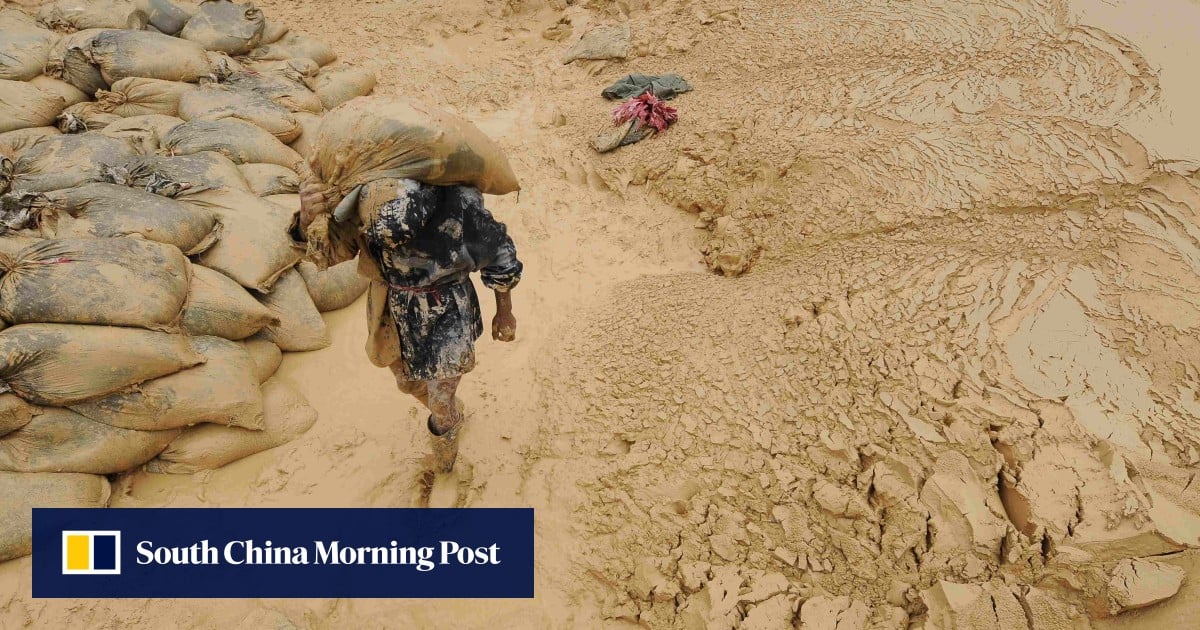
China’s dominance in the rare earth industry can be credited, in part, to its willingness to absorb substantial environmental and health risks that other nations often avoid. This has allowed China to take on the “dirty” and chemically hazardous aspects of rare earth processing, solidifying its position in the global market. The country’s approach has made it difficult for Western nations to compete, particularly as they endeavor to build independent supply chains.
As strategic tensions between the U.S. and China have escalated, Beijing has imposed targeted export bans and restrictions on certain heavy rare earth elements. These actions are seen as moves to protect its interests and maintain its leading position in the market. The urgency for Western governments to establish alternative supply routes has only intensified, yet they have struggled to break free from China’s tight grip on the sector.
The integration of AI and quantum computing technologies holds the potential to revolutionize how rare earth materials are sourced and processed. By harnessing these advanced technologies, companies may be able to expedite research and development efforts, ultimately leading to the creation of synthetic materials that could serve as substitutes for rare earth elements. Such innovations could transform the industry, offering a pathway to reduced dependency on Chinese supplies.
However, technical advances alone are unlikely to fully offset the structural advantages that China has cultivated over the years. According to industry experts, substantial investments in infrastructure and industrial capabilities are required to replicate the efficiencies that China has perfected. As the U.S. and its allies push forward with initiatives to build independent supply chains, the challenges remain steep.
The future of the rare earth minerals market may hinge on the successful application of AI and quantum technologies, but analysts warn that the road ahead is fraught with obstacles. With China’s significant market influence and established expertise, alongside its proactive stance on export controls, the dynamics of the industry could remain heavily skewed for the foreseeable future.
As geopolitical tensions continue to evolve, the global push for a more diversified and resilient supply chain for rare earth minerals appears essential. The interplay between technological innovation and strategic supply chain management will likely shape the landscape of this critical industry in the years to come.
See also Quantum Computing’s Role in Achieving Compute Singularity by 2026, Experts Predict
 Check Point Reports 5.2% Stock Drop Post AI-Focused Strategy Update and 2026 Guidance
 Smartkarma Launches AI-Enhanced Investing Platform with 55,000+ Users, Free Preview Pass Available
 Peter Steinberger Joins OpenAI; OpenClaw to Remain Open Source Project
 Shanghai’s Model Speed Space Launches MiniMax M2.5, Promising 100 TPS for AI Innovations















