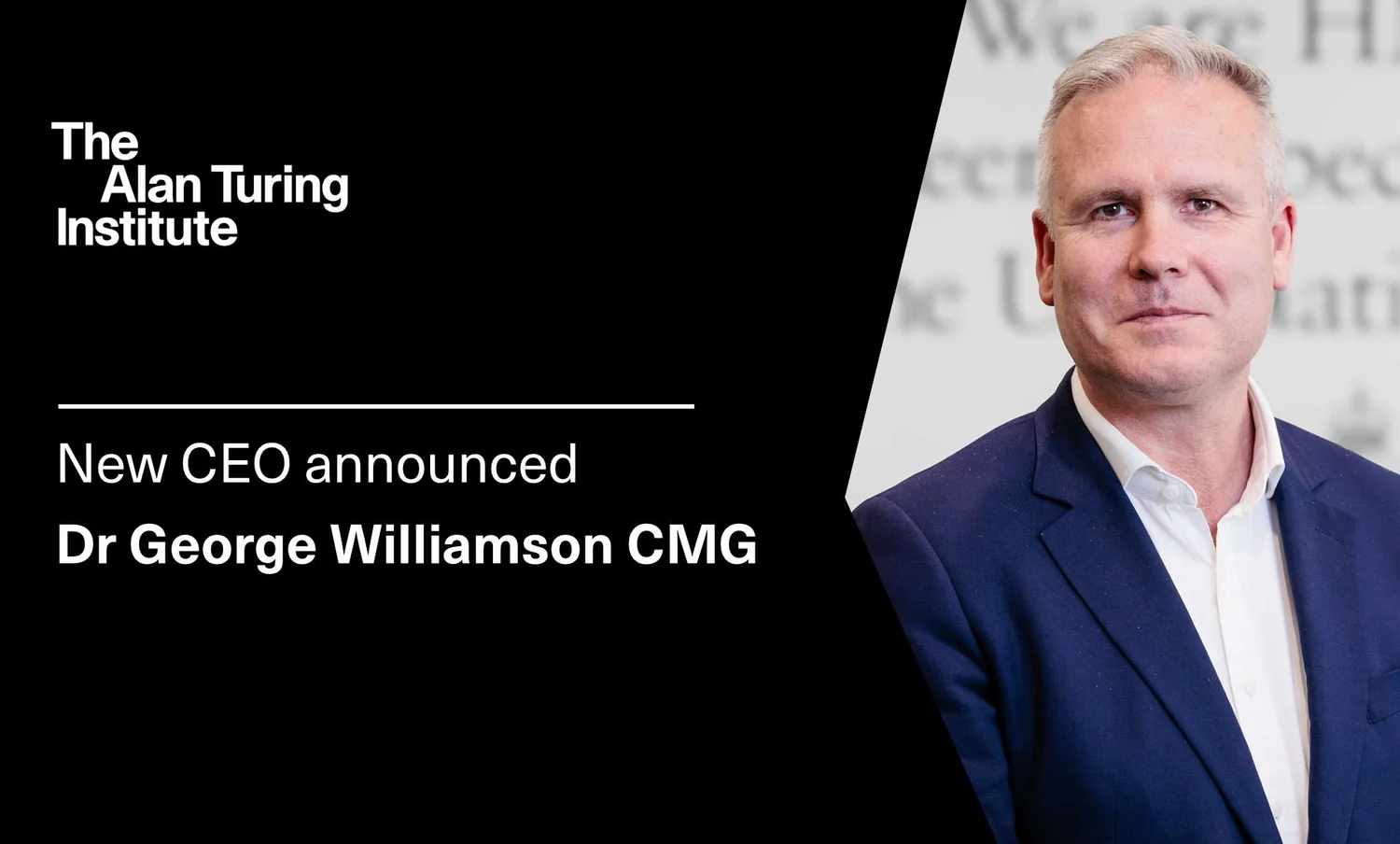
The Alan Turing Institute has appointed Dr. George Williamson CMG as its new Chief Executive Officer, marking a significant leadership change as the UK’s national AI and data science institute shifts its focus toward enhancing sovereign capability and national resilience. Williamson, who has led His Majesty’s Government Communications Centre (HMGCC) since 2021, will take the helm in May, succeeding Acting CEO Professor Mark Girolami.
This appointment comes as the Turing Institute embarks on a new program aimed at bolstering national capability in critical areas including defense, security, and sustainability. Williamson’s experience will be crucial in guiding the Institute through this transformative phase, aligning its activities with pressing national priorities.
During his tenure at HMGCC, Williamson was instrumental in developing tools and technologies for the national security sector. His leadership emphasized increased public engagement to foster collaboration between government, industry, and academia. Prior to HMGCC, he held senior positions within the Foreign, Commonwealth and Development Office, most notably as Director General in Technology, contributing to over 20 years in the UK diplomatic service in various capacities both domestically and internationally.
Williamson expressed enthusiasm about his new role, stating, “It’s a privilege to join the Alan Turing Institute as CEO at a moment when AI and data science will shape the UK’s national security and resilience like never before. The Turing’s world-class research and leadership are driving the breakthroughs that will underpin the nation’s strength and future prosperity, and our ambition will match the scale of this moment.” He emphasized a commitment to build on the pioneering spirit of Alan Turing’s work at Bletchley Park and Hanslope Park.
Dr. Doug Gurr, Chair of the Alan Turing Institute’s Board of Trustees, expressed his confidence in Williamson’s capabilities, noting, “We are absolutely delighted George will be leading the Turing into an exciting new phase, bringing with him a wealth of experience of working across research, government, and industry to ensure new technologies deliver impact for the UK.” Gurr’s remarks highlight the board’s expectation that Williamson will drive the Institute’s work toward tangible capabilities that bolster the UK’s resilience.
Professor Charlotte Deane, Executive Chair at the Engineering and Physical Sciences Research Council (EPSRC), also welcomed Williamson, stating that his appointment will support ongoing efforts to strengthen national capabilities in an area of growing strategic importance. “George brings a depth of experience that will further strengthen the Institute’s ability to deliver work that improves lives, supports national priorities, and ensures the benefits of data-driven innovation are realized across society,” she added.
The leadership transition at the Turing reflects a broader shift towards translating AI research into applied capabilities aligned with national priorities. This new direction places a strong emphasis on resilience across defense, infrastructure, environmental systems, and sustainability. As the global AI landscape evolves, the UK AI ecosystem stands to benefit from Williamson’s extensive background in both government and technology.
Williamson’s appointment signals a continued alignment between academic research, government strategy, and national security objectives. With AI policy and sovereign capabilities increasingly central to economic and geopolitical planning, his leadership will be closely monitored as the Institute works to enhance the UK’s position in the global tech arena.
As Williamson prepares to officially take over in May, his role at the helm of the Alan Turing Institute will be pivotal in shaping a robust technological future for the UK, ensuring that the nation adapts to the challenges and opportunities posed by rapid advancements in AI and data science.
The ETIH Innovation Awards 2026 are now open, recognizing educational technology organizations that deliver measurable impact across K–12, higher education, and lifelong learning. These awards invite entries from the UK, the Americas, and internationally, with submissions assessed based on evidence of outcomes and real-world application.
See also AI Boosts India’s Farming and Education: Autonomous Tractors and Grading Algorithms Transform Efficiency
 Spendsafe Partners with UCL EdTech Labs to Enhance Youth Financial Literacy with AI
 Harvard Experts Discuss Balancing AI Tools and Critical Thinking in Education
 AI Expert Advocates for AI-Driven Math Education to Combat Student Performance Crisis