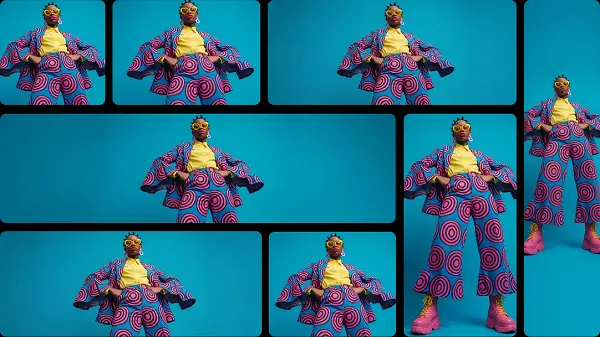
Google has unveiled the latest version of its artificial intelligence-powered visual generation model, known as Nano Banana 2, which integrates multiple image generation tools into a single, more powerful platform. This update, also referred to as Gemini 3.1 Flash Image, combines the functionalities of the previous Nano Banana and Nano Banana Pro models, enhancing the user experience with advanced capabilities.
According to Google, Nano Banana 2 leverages Gemini’s extensive real-world knowledge base, utilizing real-time information and images from web searches to produce more accurate depictions of specific subjects. The company asserts that this deep understanding enhances the model’s ability to create infographics, convert notes into diagrams, and generate sophisticated data visualizations.
In addition to its advanced image rendering capabilities, Nano Banana 2 is designed to generate clear and legible text for applications such as marketing mock-ups and greeting cards. The model also includes translation and localization features for text within images, making it a versatile tool for marketers and creatives alike.
One of the standout features of Nano Banana 2 is its refined controls, allowing social media marketers to adjust and personalize outputs to create consistent and tailored visuals. Google claims that the new model can maintain character resemblance for up to five characters and preserve fidelity across as many as 14 objects in a single workflow. It is engineered to adhere closely to complex requests, ensuring that the generated images accurately reflect users’ specific ideas.
Moreover, users will have the flexibility to control aspect ratios and resolutions, while the model promises richer textures and sharper details in its outputs. This upgraded capability aims to support various applications, including promotional images, with tools tailored for advertisers to enhance their campaign visuals.
Despite the advancements offered by Nano Banana 2, concerns remain regarding the use of AI-generated content in marketing. Critics argue that such visuals can come across as impersonal, potentially undermining brand credibility and authenticity. A recent study published by Science Direct highlighted that customers often perceive companies utilizing AI-generated images as less professional and credible, raising questions about the impact on customer engagement.
Google has previously faced backlash related to its AI initiatives. In 2024, the company altered its advertising strategy following criticism of an ad that depicted a father using Google’s Gemini AI bot to assist his daughter in writing a letter. This incident underscored the delicate balance brands must strike when employing AI-generated content, as consumers increasingly voice their apprehensions regarding artificial material in marketing.
While the risks associated with AI-generated visuals are significant, Google’s improvements in Nano Banana 2 aim to produce more realistic and accurate depictions, which may help address some of the skepticism. The deployment of this model is set to begin on February 26 across various Google products, including the Gemini app, AI Mode in Google Search, Flow, and Google Ads.
As brands navigate the evolving landscape of AI technology, the ability to create visually impactful content remains crucial. With tools like Nano Banana 2 at their disposal, marketers might find new opportunities to stand out in an increasingly crowded digital space. However, the potential pitfalls of relying on AI for creative endeavors serve as a cautionary note for brands looking to maintain authenticity in their customer engagement strategies.
See also Douyin Launches Long-Form Writing Feature to Attract 907M Users with AI Support
 Lockheed Martin Collaborates with Xanadu to Enhance Quantum Machine Learning Theory
 Researchers Unveil Partially Shared Multi-Modal Embedding for Enhanced Cell State Analysis
 AI Music Video Generator Enhances Output Quality with 90% Lip-Sync Accuracy and Customization
 Deepfake Fraud Expected to Reach $40B by 2027, Warns Deloitte in 2026 Outlook