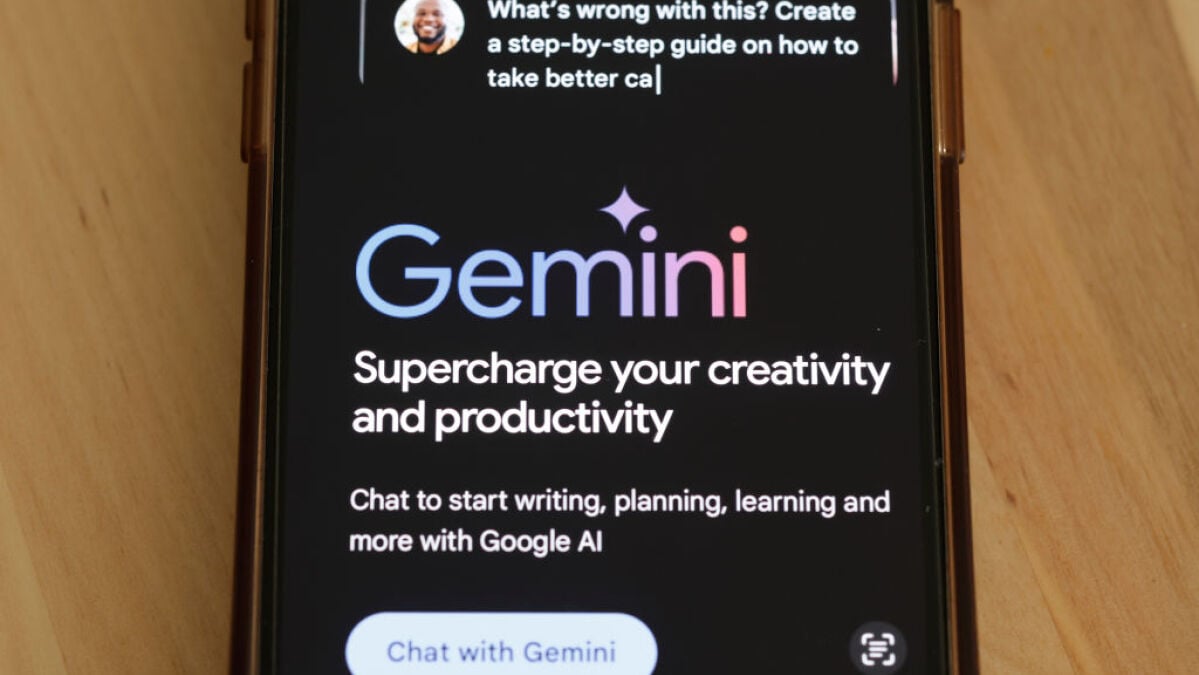
In a recent marketing blunder, Google has pulled its “Dear Sydney” advertisement after facing significant backlash over its portrayal of artificial intelligence in a sensitive context. The ad, which featured a father consulting the Google Gemini chatbot to compose a fan letter for his daughter to send to Olympic track and field star Sydney McLaughlin-Levrone, has drawn criticism for suggesting that AI could replace genuine human expression.
The controversy erupted after the father, who claims to be “pretty good with words,” turns to the chatbot for help in crafting a letter that ostensibly should reflect his daughter’s feelings of admiration and inspiration. Critics argued that such a scenario undermines the authentic experience of childhood and the personal touch that should characterize a fan letter. Many felt that utilizing AI in this context trivializes the essence of human emotions, especially those of a child.
Public Outcry Over AI’s Role in Communication
Online reactions were swift and severe, with many users expressing their discomfort with the ad’s premise. Prominent voices in media, including Shelly Palmer, a professor of advanced media at Syracuse University’s Newhouse School, labeled it “one of the most disturbing commercials I’ve ever seen,” emphasizing that the ad promotes an undesirable use of AI. Other critics echoed similar sentiments, questioning the ad’s message of using AI to express personal feelings. A user known as @chikkadee remarked, “I cannot think of a less inspiring ad. What is even the point of sending that letter?”
In response to the backlash, a Google spokesperson stated, “We believe that AI can be a great tool for enhancing human creativity, but can never replace it.” The company aimed to highlight the innovative capabilities of the Gemini app as a supportive tool for those seeking writing inspiration. However, the adverse reaction indicates a disconnect between the technology’s potential and public perception.
The Broader Implications of Generative AI
This incident underscores a recurring theme in the generative AI landscape: while companies are eager to adopt AI technologies, they often misjudge public sentiment regarding authentic human expression. This misalignment has led to several high-profile missteps across the industry. For instance, Meta recently scrapped its celebrity AI personas, and Taco Bell is expanding its AI voice ordering system despite mixed reactions to similar efforts by competitors like McDonald’s.
The advertisement’s failure highlights the ongoing challenge of integrating AI into everyday scenarios where emotional nuance is vital. Many consumers are skeptical about AI’s role in fields that traditionally rely on human intuition and empathy. As noted by columnist Alexandra Petri from the Washington Post, the ad incited frustration to the point where she felt compelled to write an entire column criticizing it, stating, “This ad makes me want to throw a sledgehammer into the television every time I see it.”
Overall, the negative feedback reflects a broader concern regarding the implications of generative AI technology in personal and meaningful contexts. As public sentiment continues to evolve, companies like Google must navigate the fine line between leveraging AI to enhance creativity and preserving the authenticity that defines human communication. The primary query that remains is not about what AI can do for us, but rather what role we want it to play in our lives.
See also AI Adoption Reshapes Marketing Roles in Singapore, Demands for Senior Specialists Surge
 AI Content Creation Market Hits $3.51 Billion as Tools Transform Digital Storytelling
 12AM Agency Reveals Big-AI Upgrade to Combat Local Business Visibility Crisis in AI Era
 Mindtrip Partners with The Bahamas to Launch AI-Powered Personalized Travel Itineraries
 Hibbett Boosts Email Revenue by 46% with AI-Driven Targeted Campaigns