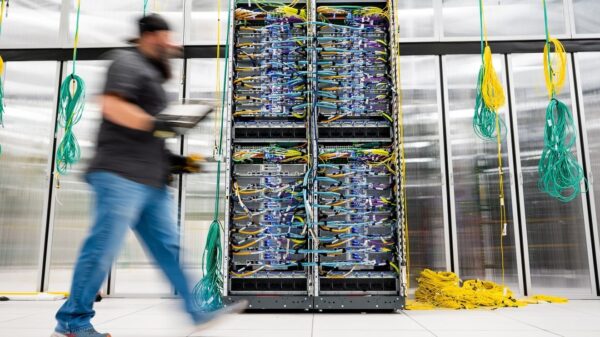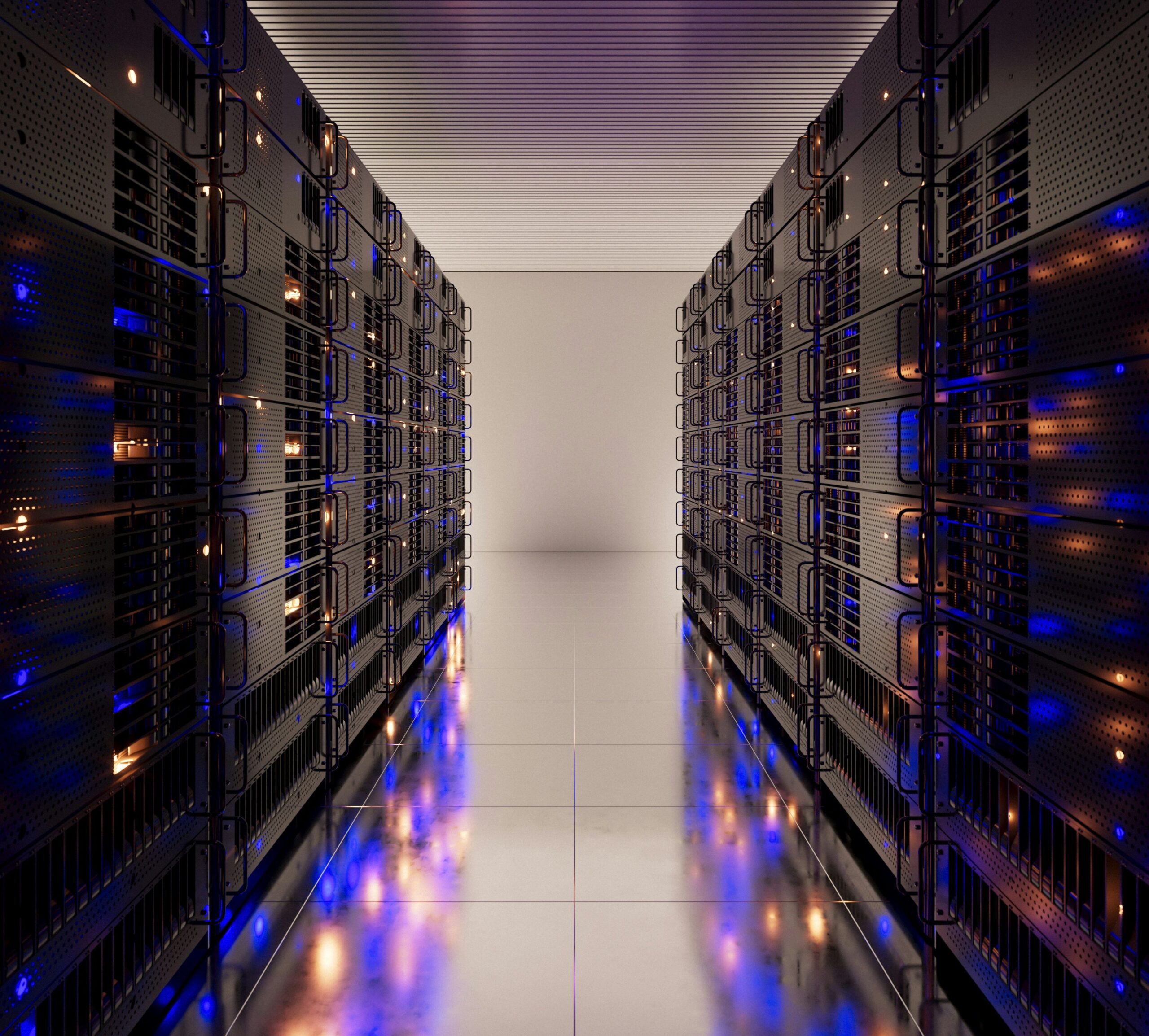
As the demand for A.I.-ready digital infrastructure escalates, the construction of data centers has surged globally, seen as a foundational element for high-performance computing technologies. However, the challenges associated with rapid data center development are becoming increasingly pronounced, particularly regarding power access and environmental sustainability. Alex de Vries-Gao, founder of the tech sustainability site Digiconomist, estimates that by the end of 2025, energy consumption by A.I. systems could reach 23 gigawatts—double the total energy consumption of the Netherlands.
This burgeoning power demand presents two critical challenges. First, many nations lack the electrical infrastructure to support such needs. In the U.S. and U.K., much of the national grid was established between 1950 and 1970, primarily around large coal-fired plants. Although the transition to nuclear and renewable sources like wind and solar is underway, these systems require both time for development and upgraded networks. The rapid rise in power demand from data centers underscores the urgent need for global investment in power infrastructure.
Second, the scrutiny surrounding the carbon emissions of data centers is intensifying. Consequently, businesses reliant on data are increasingly seeking partnerships with data center providers that prioritize sustainability. As atNorth experiences unprecedented demand for environmentally responsible A.I. infrastructure, it is crucial for the industry to overcome power bottlenecks that could hinder future growth.
Data centers situated in cooler climates, such as the Nordics, can capitalize on efficient cooling systems that reduce energy consumption significantly. Iceland, in particular, has emerged as a model for sustainable data center development. The country harnesses 71 percent of its energy from hydropower and 29 percent from geothermal sources, enabling its data centers to achieve impressive energy efficiency metrics. While the global average Power Usage Effectiveness (PUE) is approximately 1.48, Icelandic facilities typically achieve PUEs between 1.1 and 1.2. For instance, BNP Paribas has reported a 50 percent reduction in energy use and an 85 percent decrease in CO₂ emissions after relocating some of its IT infrastructure to an atNorth facility in Iceland.
The naturally cool temperatures in Iceland, which range from 30°F (-1 °C) in winter to 52°F (11 °C) in summer, enable effective free-air cooling for various IT workloads. As the demand for compute density rises, advanced cooling technologies like Direct Liquid Cooling (DLC) are increasingly necessary. These methods, which utilize water or coolants to dissipate heat more effectively, are widely implemented in Iceland and across the Nordic region, known for its commitment to environmental sustainability.
Iceland’s political and economic stability further enhances its appeal as a data center location amid growing geopolitical uncertainties. As a member of the European Economic Area (EEA), Iceland adheres to the E.U.’s General Data Protection Regulation (GDPR), thereby providing robust safeguards for data privacy and security.
The combination of energy efficiency, reliable infrastructure, and a strong regulatory environment has spurred significant growth in Nordic data center development. As nations worldwide scramble to modernize their power infrastructure, Nordic countries are focusing on addressing the challenges of mature data center operations. At atNorth, there’s a growing acknowledgment of the need for a holistic approach to sustainability, emphasizing not only environmental impact mitigation but also tangible benefits for local communities.
The use of sustainable materials exemplifies this commitment. atNorth’s ICE03 data center was constructed using Glulam, a laminated wood product noted for its lower environmental impact and fire resistance compared to steel. The site also features insulation made from sustainable Icelandic rockwool, derived from volcanic basalt and valued for its durability and minimal ecological footprint.
Waste heat recycling from data center cooling systems to benefit local communities is another sustainable practice gaining traction in the Nordic region. For example, atNorth has collaborated with the municipality of Akureyri to redirect waste heat into a community greenhouse, aimed at educating schoolchildren about ecological farming and sustainable food production. Such initiatives not only reduce carbon emissions but also meet immediate local needs, addressing the challenge of fresh produce availability in a country that imports 80 percent of its fresh food.
Engaging with local communities has become increasingly vital as competition for suitable land intensifies. The lessons from consumer trust in brand reputations apply equally to data centers, where operators demonstrating genuine corporate citizenship are more likely to achieve success. atNorth has prioritized local hiring, sourcing over 90 percent of its workforce for the ICE03 site from nearby communities. Furthermore, the company actively supports local education and community initiatives, including sponsoring local events and providing equipment to foster training in data center-related careers.
As digitalization accelerates, the demand for high-performance data center capacity is set to grow. However, the risks tied to rapid expansion could jeopardize long-term sustainability. The pitfalls seen in industries such as palm oil serve as a cautionary tale. The data center sector must learn from past mistakes and pursue a future where digital infrastructure meets the performance demands of the A.I. era while promoting responsible growth and delivering enduring value for clients, communities, and the environment.
See also Intel’s Dr Ocansey Reveals AI Solutions to Combat Ghana’s Illegal Mining and Road Accidents
 Kubernetes Enhances AI Economics with Dynamic Resource Allocation, Boosts Efficiency by 30%
 Nvidia Shares Dip 2.6% as Meta Considers Google’s AI Chips for Data Centers
 CIQ Expands to Gulf Region, Launching AI-Ready Infrastructure Amid Middle East Digital Transformation
 HP Launches OmniBook 5 AI Laptop at Rs. 83,000 for Enhanced Productivity and Performance