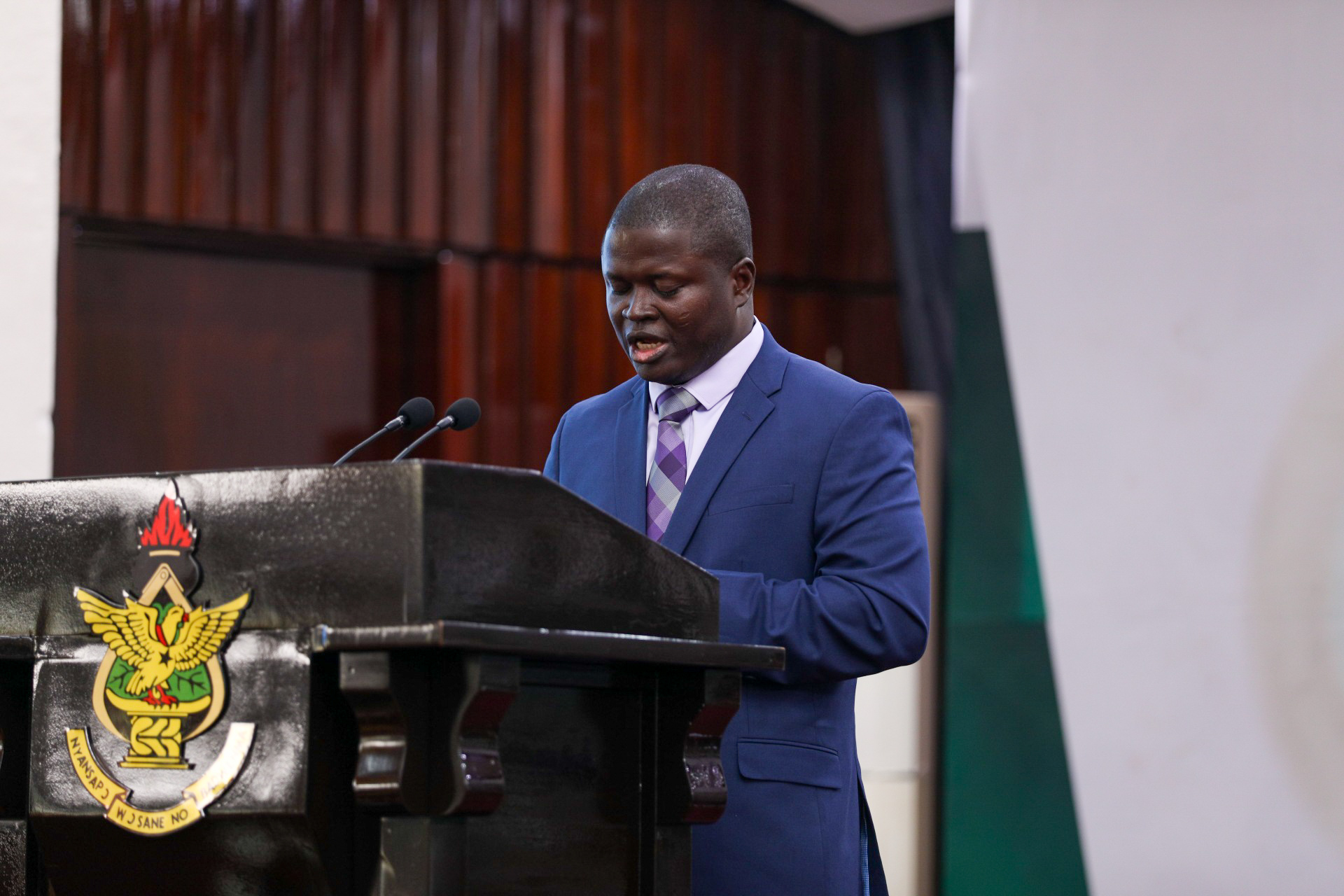
Dr. Daniel Teye Ocansey, an Artificial Intelligence Engineer with Intel Corporation, emphasized the transformative potential of AI in addressing two critical challenges in Ghana: illegal mining and road safety. Speaking at the College of Science Graduation Ceremony at Kwame Nkrumah University of Science and Technology (KNUST), Ocansey outlined how leveraging advanced AI tools could help the country combat illegal mining—often referred to as galamsey—and significantly reduce the alarming rate of road accidents.
Ocansey highlighted that AI technologies can monitor and detect galamsey operations in real-time, thereby allowing authorities to respond before damage occurs. “AI can analyze satellite images from Google Maps to spot changes such as cleared land, new pits, paths, or river discoloration, and send alerts with GPS locations to authorities,” he explained. The ongoing illegal mining activities pose a serious threat to Ghana’s environmental and national security, leading to forest degradation and river pollution. Despite military efforts to curb these activities, new mining sites are often identified only after severe destruction has occurred. Ocansey believes that incorporating AI-backed systems can shift this dynamic, enabling timely interventions.
In addition to mining, Ocansey addressed the persistent issue of road safety in Ghana. A report from the National Road Safety Authority revealed that between January and August, 1,937 people lost their lives in road crashes, with over 10,000 injuries recorded. “Human error remains a major factor, but many accidents occur because drivers detect hazards too late,” he noted, citing examples such as broken-down vehicles and potholes. He suggested that integrating AI with platforms such as Google Maps and traffic data could allow for the instantaneous detection of hazards, sending real-time alerts to drivers through various communication channels, including WhatsApp and radio. Ocansey estimated that such measures could potentially save at least 2,000 lives annually.
Beyond mining and road safety, Ocansey argued that Artificial Intelligence could serve as a solution to many of Ghana’s longstanding national issues. His own journey as a CAD AI Engineer at Intel, where he develops AI-driven tools that automate design and enhance productivity, served as an inspiration for the graduating class. “I didn’t share all this to impress you, but to impress upon you that possibility lives where persistence resides,” he urged the students, encouraging them to explore emerging opportunities in AI, Machine Learning, and data-driven intelligence.
The graduation ceremony brought together a diverse audience of academics, students, and industry leaders, all of whom celebrated the achievements of KNUST’s College of Science graduating class. Ocansey’s insights illustrate not only the capabilities of AI in addressing pressing national challenges but also the importance of harnessing technology for the development of the country. As Ghana seeks to navigate its complex socio-economic landscape, the potential role of AI may prove to be a vital asset in fostering growth and ensuring safety.
See also Kubernetes Enhances AI Economics with Dynamic Resource Allocation, Boosts Efficiency by 30%
 Nvidia Shares Dip 2.6% as Meta Considers Google’s AI Chips for Data Centers
 CIQ Expands to Gulf Region, Launching AI-Ready Infrastructure Amid Middle East Digital Transformation
 HP Launches OmniBook 5 AI Laptop at Rs. 83,000 for Enhanced Productivity and Performance
 BofA Reaffirms Buy Ratings for Nvidia, AMD, Broadcom as AI Chip Demand Surges