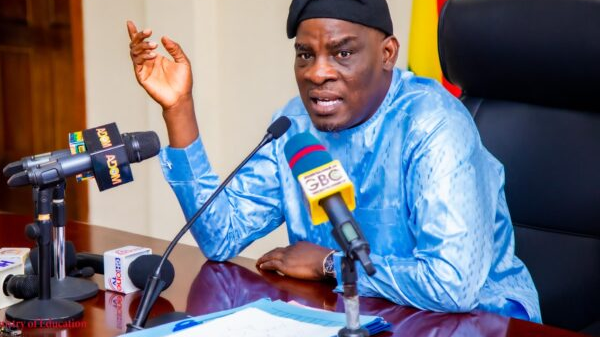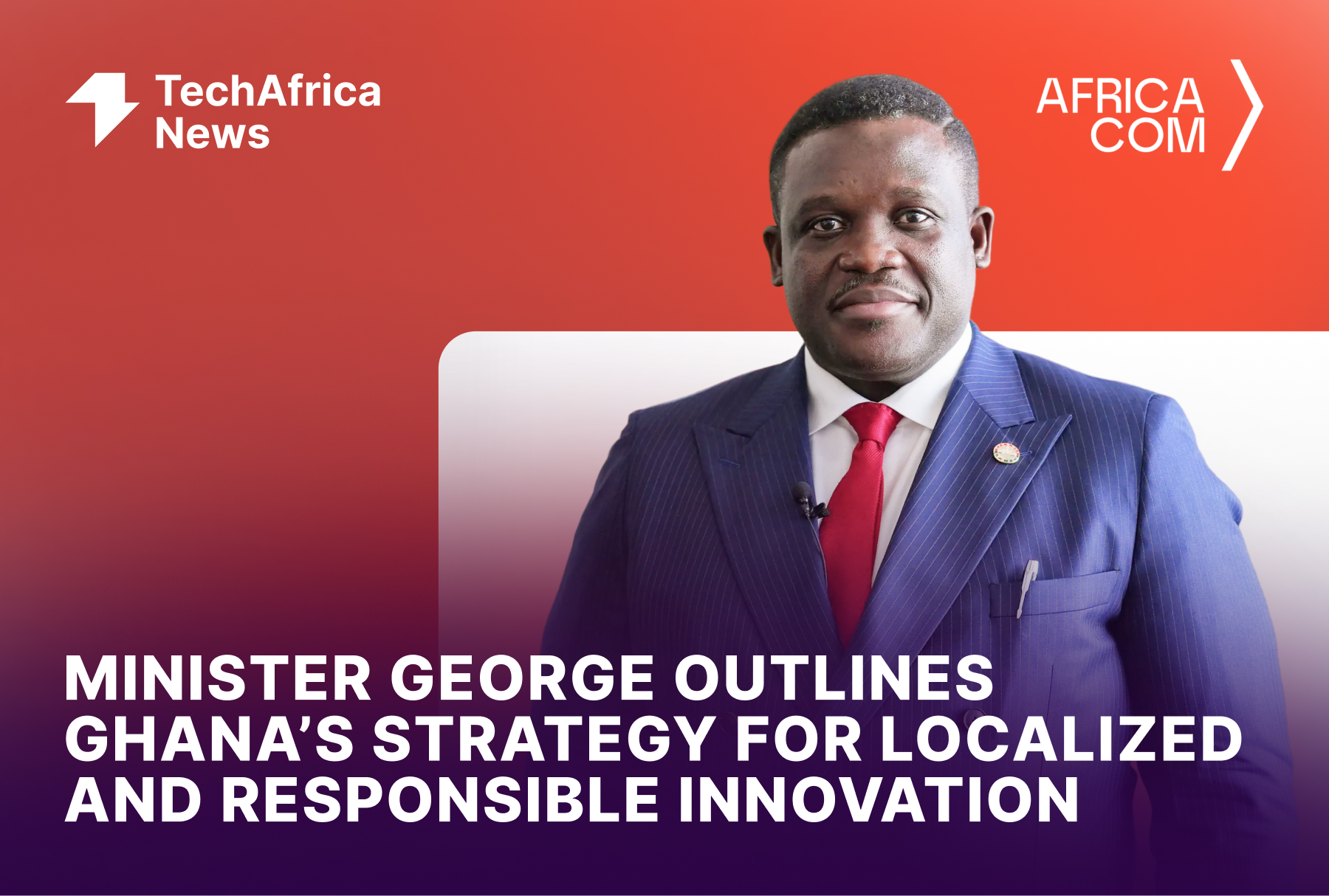
Accra, Ghana — Minister for Communications, Digital Technology and Innovations, Samuel Nartey George, has outlined how artificial intelligence (AI) is poised to reshape key sectors within the country, emphasizing its transformative potential in agriculture, healthcare, education, financial inclusion, and government services. Speaking at a recent event, George underscored the government’s commitment to harnessing AI for national development.
In agriculture, AI facilitates precision farming practices, enhances access to commodity exchanges, and utilizes satellite imagery for more effective soil testing and crop planning. The healthcare sector is similarly benefiting, with the Ministry extending telemedicine services to underserved rural areas. Educational initiatives employ AI to bridge gaps created by geographic and socioeconomic disparities, while the financial inclusion sector sees AI-driven fintech platforms enabling small and medium-sized enterprises (SMEs) to secure credit that conventional banks often overlook. Notably, third-party platforms have disbursed $200 million in loans to SMEs in 2025 alone, directly fueling economic growth in Ghana. AI tools are instrumental in improving credit profiling, minimizing default rates, and ensuring responsible lending practices.
On the governance front, AI initiatives, such as the Ghana.gov 2.0 platform, have made over 16,000 government services accessible to citizens via their devices. This project aims to cultivate a more responsive and efficient government that empowers its citizens digitally.
“I look at AI not just as artificial intelligence, but as a tool to advance inclusion. AI could actually stand for advancing inclusion or advancing inequality—it’s up to you. The policies you put in place will either widen the digital gap or help close it, and that is exactly what we want to use artificial intelligence for. One of the key initiatives we are focusing on is our data harmonization act. This allows us to take large volumes of data from multiple silos across the country, harmonize and process it, and perform proper data mining to make informed decisions that benefit the Ghanaian people,”
– Honorable Samuel Nartey George (MP), Minister for Communications, Digital Technology and Innovations, Ghana
George emphasized that African nations have a distinctive opportunity to create AI solutions that resonate with local contexts. The effectiveness of AI is intrinsically linked to the quality and relevance of its training data. With a youthful population of 1.4 billion and a wealth of diverse datasets across the continent, Africa represents an untapped reservoir for developing AI systems tailored to its unique challenges.
By harmonizing and accurately annotating data from various sectors, governments can equip innovators with the necessary tools to construct machine learning models that reflect African realities. “The solutions to the problems in Accra do not reside in Barcelona or Paris. They reside in Accra,” George stated, advocating for a localized approach to ensure that AI systems are relevant, inclusive, and aligned with the continent’s priorities.
Ghana’s approach to regulating emerging technologies includes the introduction of an Emerging Technologies Bill aimed at fostering responsible innovation while safeguarding citizens’ data sovereignty. The establishment of academic partnerships, such as the Responsible AI Lab at Kwame Nkrumah University of Science and Technology, is guiding policy development and setting boundaries for AI utilization. These frameworks seek to balance innovation with accountability, ensuring that AI does not misuse personal data or exacerbate existing inequalities.
Furthermore, George cautioned against the looming threat of “data colonization” by global tech firms. He noted that without local oversight of African datasets, international corporations could monopolize AI development on the continent, dictating how data is utilized and monetized. By harmonizing data and dismantling silos, African governments can assert control over their information, ensuring that AI serves the interests of local populations.
“Big tech is coming,” George remarked. “One in four human beings will be African by 2030. If we do not control our data, we risk allowing external entities to define how it is used. We must prepare to protect our citizens’ data while enabling innovation.” His remarks highlight a critical juncture for Africa, where the balancing act between fostering technological advancement and preserving local interests is paramount.
See also UK Government Unveils New Binding AI Legislation and Strategic Action Plan for 2025
 Wisconsin Governor Candidate Andy Manske Proposes AI to Streamline Government Functions
 Deloitte Faces Backlash Over AI Errors in Canadian Healthcare Report, Misidentifies Facilities
 BigBear.ai Launches Biometric Platform at O’Hare, Acquires Generative AI Ask Sage for $250M
 BigBear.ai Acquires Ask Sage, Boosts Revenue Potential by $25M by 2025