






















































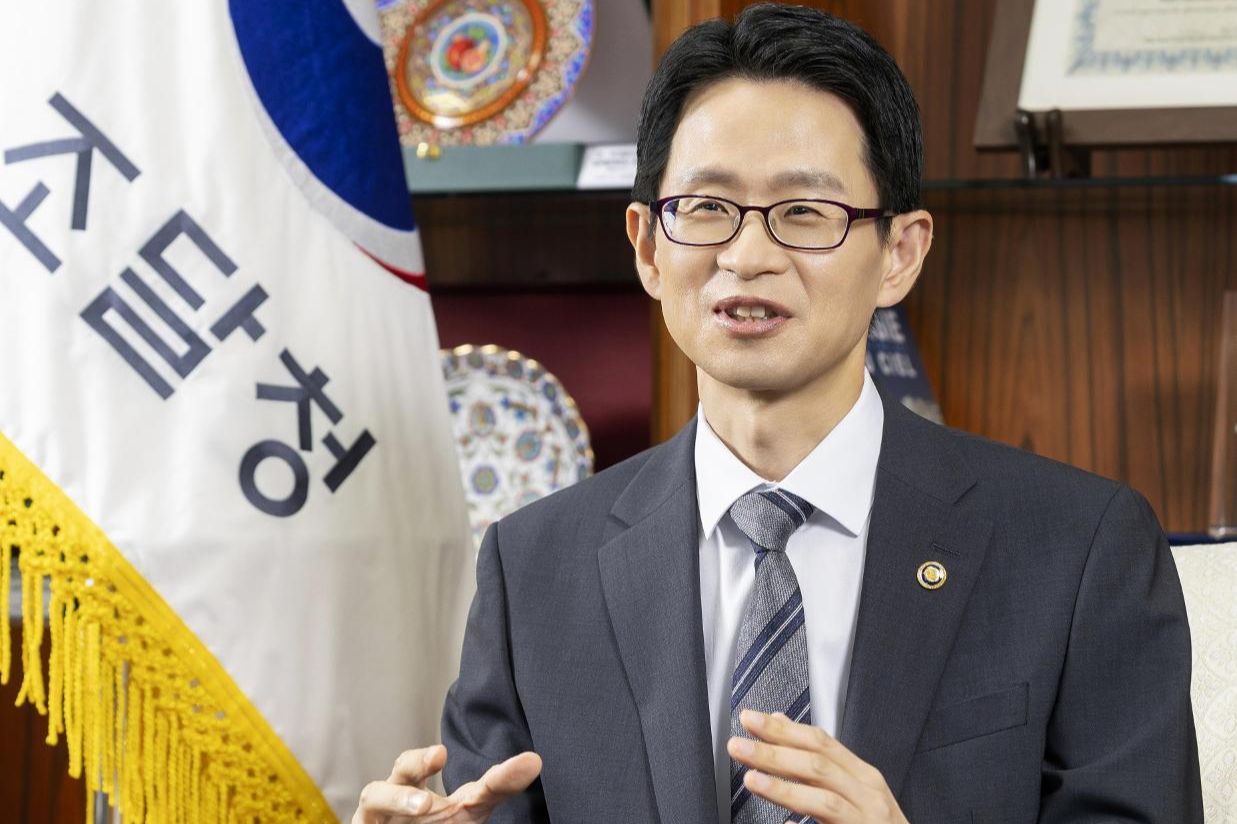
The Public Procurement Service (PPS) is set to implement major reforms aimed at enhancing transparency and decentralization in state management, according to Administrator Baek Seung-bo. Announced on Thursday, these changes align with President Lee Jae Myung‘s principles of transparent, sustainable, and growth-driven governance, marking a significant pivot in how public procurement operates in South Korea.
Under the new framework, local governments will gain the authority to independently purchase frequently demanded goods. This shift is expected to dismantle the existing requirement that mandated these purchases be conducted exclusively through the PPS, which operates under the Ministry of Economy and Finance. The reform is also designed to attract a wider range of capable suppliers to support the government’s initiatives in areas such as artificial intelligence (AI) and other emerging technologies.
“PPS is committed to keeping in step with the government’s core value of transparency for people-centered economic growth and sustainable development,” Baek stated. The PPS is responsible for procuring goods and services across all public organizations, managing a market valued at 225 trillion won (approximately $153.38 billion), which serves around 620,000 suppliers and 75,000 end-user institutions.
The planned reform includes a complete restructuring of the public procurement system, focusing on strategic procurement through 70 tasks categorized into four main goals: autonomy, expanded competition, innovation, and social responsibility. To mitigate potential negative effects from this policy shift, Baek emphasized the importance of gathering input from various stakeholders, including industry associations and procurement-focused companies.
A pilot program will commence in 2026, allowing municipal governments to exercise greater control over their procurement processes, initially launching with 120 electronic devices and components in the regions of Gyeonggi and North Jeolla Province. The initiative is expected to expand to all local governments by 2027.
To counteract corruption and unfair practices during this transition, the PPS plans to implement a “one strike, you’re out” policy. This will impose strict penalties, including market removal, on any party caught engaging in illicit activities. Additionally, contract information will be made fully transparent through the PPS-operated electronic procurement system, KONEPS.
The reform is also poised to benefit small and medium-sized enterprises, women-led businesses, and organizations employing disabled workers, ensuring that these disadvantaged groups can maintain their shares in procurement opportunities. “The reform also aims to open opportunities for promising companies in future growth sectors that struggle to find sales channels,” Baek added.
In terms of scale, the innovative procurement initiative will target a budget of 2.5 trillion won or more by 2030, with an expected sourcing of up to 5,000 relevant products in sectors including AI, climate technology, and robotics. This forward-looking policy aims to catalyze a rapid transformation of the procurement administration driven by AI technologies.
“PPS will actively serve as the first buyer to stimulate public AX by facilitating the entry and market access of AI products and services,” Baek stated, underscoring the agency’s commitment to embracing technological advancements and supporting future-oriented growth.
See also Rencore Secures $15M in Series A Extension to Advance AI Governance and Global Growth
 UK Businesses Lag in AI Strategy with Only 7% Adopting Enterprise-Wide Plans
 Youth Advocates Urge Congress to Preserve State AI Protections for 2,100+ Supporters
 Canadian Employees Demand Clearer AI Policies as Adoption Hits 51% in 2025 Survey
 UK 2025 Budget Unveils Measures to Boost Innovation and AI Investment for Start-ups















