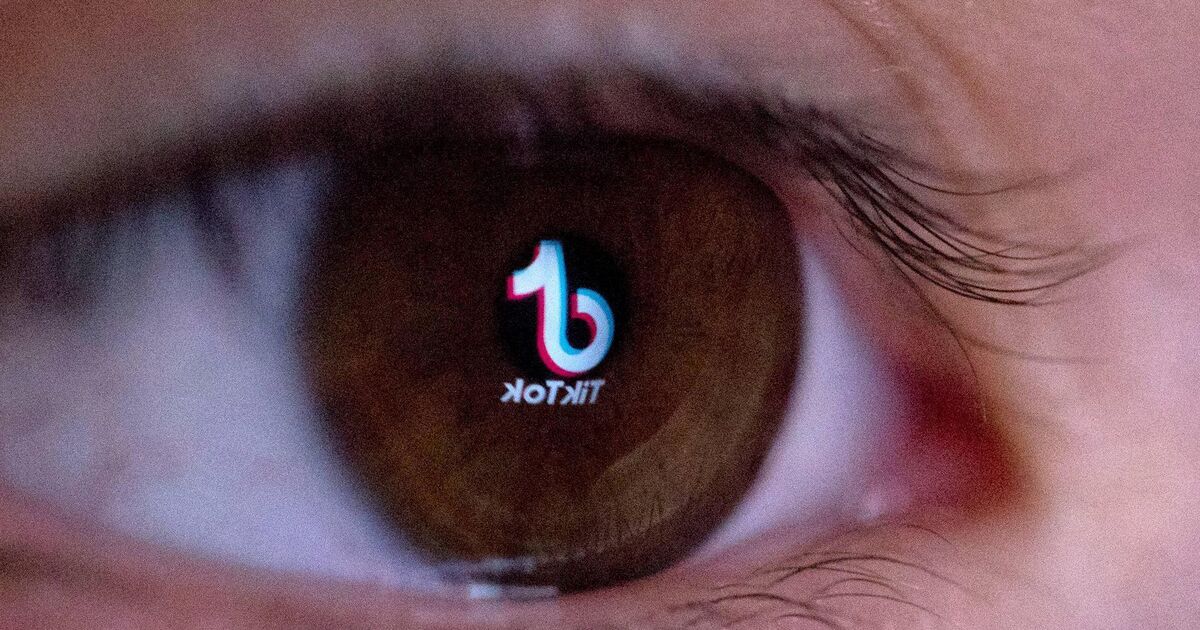
In a landscape increasingly dominated by digital advertising, TikTok has emerged as a key player, leveraging its vast user base to generate significant revenue through targeted campaigns. According to documents filed with Ireland’s Company Registration Office (CRO) in August, TikTok Technology Ltd, the social media giant’s Irish arm, indicated that its business model heavily depends on a blend of advertising income, value-added services, and merchandise sales. However, this reliance on advertising revenue has raised concerns regarding the integrity of content on the platform.
Reports have surfaced indicating a rise in misleading and harmful advertisements on TikTok, often generated by artificial intelligence (AI). This trend has been exacerbated by the company’s substantial investments in AI technology. Earlier this year, the Financial Times reported that TikTok’s parent company, ByteDance, intended to invest $12 billion in AI chips by 2025. The influx of AI-generated content, including fraudulent advertisements, poses a growing challenge to the platform’s reputation.
Recent advertisements on TikTok have promoted dubious health products, including weight loss supplements claiming efficacy without scientific backing. One notable example includes ads for GLP-1 patches, which are falsely marketed as weight-loss aids, lacking the active ingredient found in legitimate medications like Ozempic and Mounjaro. Many of these ads direct users to cloned websites impersonating established pharmacies, potentially deceiving consumers into trusting illegitimate businesses.
TikTok has established advertising policies aimed at preventing misleading and deceptive content. According to the company, these policies are designed to protect integrity and authenticity for users, declaring that accounts violating these rules may face suspension or bans. Specifically addressing health misinformation, TikTok commits to combating false claims that can influence personal health decisions and public trust in credible health sources.
Despite these assurances, the proliferation of AI-generated ads remains a significant issue. TikTok’s investment in AI tools has allowed for the rapid creation of content within the app itself. The platform’s marketing tool, TikTok for Business, is a resource for businesses to develop advertising campaigns. It features a chatbot assistant that aids users in crafting advertisements, affirming that it can indeed produce AI-generated content that can be promoted on TikTok.
In 2024, TikTok launched TikTok Symphony, a generative AI suite designed to streamline the creation of brand content. The tool offers options for pre-built and custom avatars and includes editing, translation, and dubbing capabilities for video advertisements. The company claims it simplifies the ad creation process, allowing businesses with limited resources to maximize their marketing efforts.
However, the very system designed to assist brands in creating content has also facilitated an increase in misleading advertisements. In an illustrative instance, an individual was able to create an AI-generated ad promoting weight loss supplements in just minutes without any content moderation warnings from the platform. The ad was flagged only post-creation, despite its promotion of unverified health claims.
Although TikTok maintains that content generated using its AI tools undergoes a moderation review, the presence of deceptive ads still permeates the platform. Users are potentially exposed to unsafe products and scams linked to fraudulent third-party websites. TikTok has stated that it actively removes content violating its policies on health-related claims and is committed to restricting misleading advertisements.
In light of the growing concerns surrounding AI-generated content, EU Commissioner for Democracy, Justice, the Rule of Law and Consumer Protection Code, Michael McGrath, emphasized the need for regulatory safeguards. He noted that while the EU aims to foster competitiveness in AI, it must operate within established guardrails. “We have a good regulatory framework in place, but we need to ensure that the rulebook is enforced,” he stated.
As digital advertising continues to evolve, the balance between innovation and consumer protection will be critical. TikTok’s ongoing challenges with misleading content generated by AI underscore the need for robust oversight in the rapidly changing landscape of social media advertising.
See also Thomas Cook India Launches TACY: AI Travel Assistant for 1,000 Europe Trips in 2026
 26 AI Platforms Transform Marketing Strategies for Faster, Smarter Campaigns
 Globe Telecom Enhances Customer Experience with AWS-Powered AI Solutions for Growth
 WPP Shares Plummet 60% Amid AI Disruption; Agencies Face Strategic Shift
 OptiPrime Launches OptiDev.ai to Streamline AI App Development for Businesses