















































AI-powered shopping assistants, once a novelty, have rapidly become ubiquitous as retailers gear up for the holiday shopping season. As Black Friday approaches, numerous online retailers and tech firms are enhancing their platforms with artificial intelligence features aimed at streamlining the online shopping experience.
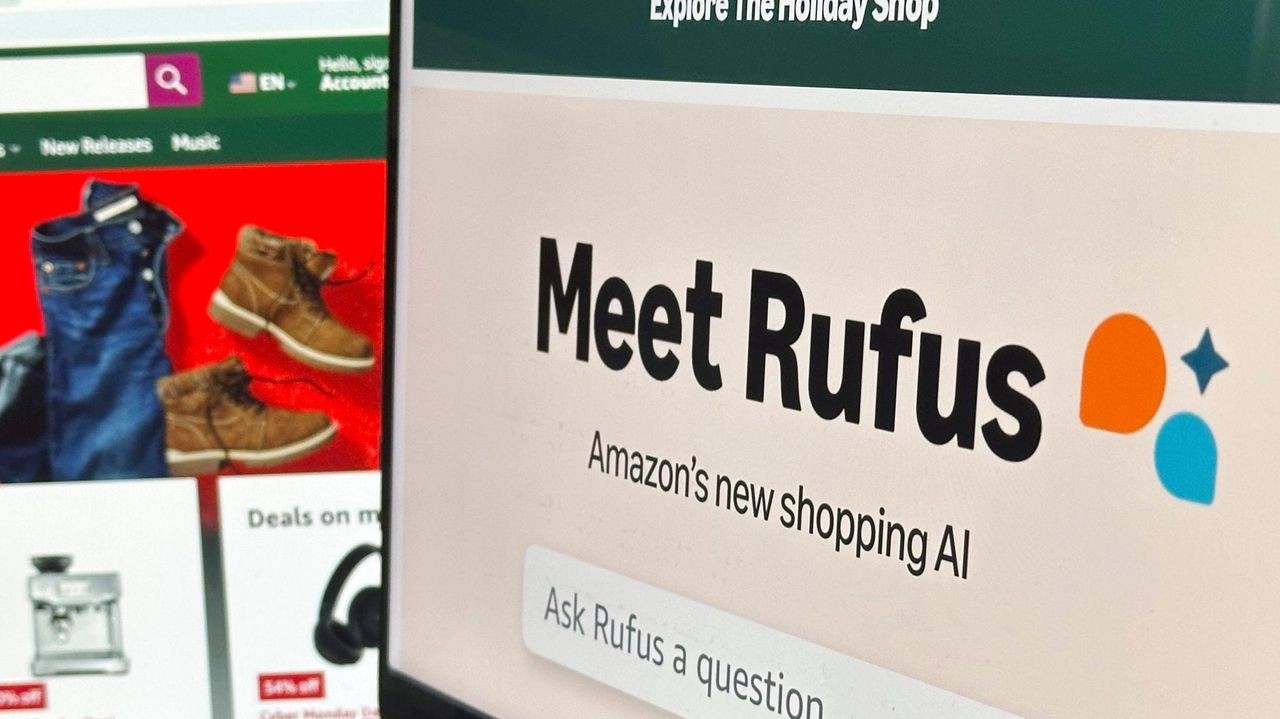
Leading the charge, Amazon introduced its Rufus chatbot earlier this year, prompting other major e-commerce platforms to launch similar AI assistants. Walmart offers its Sparky chatbot, available on its app, which synthesizes product reviews and offers occasion-based recommendations. Target has unveiled a holiday-specific gift finder chatbot, while Ralph Lauren collaborated with Microsoft to roll out the “Ask Ralph” chatbot, providing tailored style advice.
These chatbots are designed to simplify the search process, allowing users to engage in a conversational manner rather than relying solely on traditional search queries. However, user experiences have been mixed. In a recent attempt to find a replacement pot for a rice cooker, results from Rufus fell short, often failing to capture the breadth of available options. This discrepancy suggests that while chatbots may excel with specific brand queries, they struggle with generic searches.
Expanding AI Shopping Tools
For those looking to broaden their gift search, tech companies have also rolled out AI-driven tools that aggregate results across multiple retail sites. Just last week, OpenAI enhanced ChatGPT with a “shopping research” feature, designed to provide personalized advice particularly for products requiring detailed specifications, such as electronics. Users can either prompt a shopping-related inquiry or switch on the feature manually. Similarly, Google has introduced AI Mode in its search engine, enabling users to describe their desired products conversationally. This feature promises organized results drawn from a vast database of 50 billion product listings.
The Gemini AI chatbot app from Google has also been updated with similar shopping functionalities. A recent test involving a search for a soft cotton flannel shirt showcased the varying efficiencies of these tools: ChatGPT provided the most comprehensive results, including images, prices, and a comparison table, while Google’s output remained more general and less tailored.
In addition to search improvements, generative AI is making strides in virtual try-on technology, allowing users to visualize clothing on themselves. Google’s new tool enables shoppers to upload a full-length photo and see how garments fit, enhancing the online shopping experience. This feature is available in several countries, including the U.S., and requires users to have permission from anyone whose photo they upload.
As consumers finalize their holiday shopping lists, some tools now automate the purchasing process. Amazon has implemented an AI agent that can automatically purchase items when they reach a specified price. Google has also launched an “agentic checkout” feature that allows purchases to be made automatically, though it retains user confirmation before completing transactions. Notably, Amazon’s AI agent can facilitate purchases directly from other brands’ websites if a product is out of stock, using a “Buy For Me” button in the Amazon app.
For shoppers preferring in-person purchases, Google’s AI feature can contact local stores to check product availability. This service, currently limited to the U.S., targets toys, electronics, and health and beauty items. By appending “near me” to their searches, users can prompt Google to call nearby retailers. However, results can vary; one inquiry resulted in feedback from a local computer repair shop rather than larger retail chains.
As the holiday season approaches, these advancements in AI shopping technology are poised to transform consumer behavior. By enhancing convenience and personalization, AI tools are reshaping how people navigate the vast landscape of online retail, making the hunt for the perfect gift both easier and more engaging.
See also AI Transforms Brand Reputation: 71% of Consumers Trust Google Reviews, 38% Skeptical of All-Positive Feedback
 ISG Report Reveals 50% of Enterprises to Adopt DataOps by 2027 for AI Success
 Moore Threads Surges 468% in IPO, Raising $1.13 Billion Amid Tech Rivalry with US
 Accenture Invests in Wevo to Enhance AI-Driven Customer Research Capabilities
 AMD Set to Surpass Palantir by 2026 as Market Valuation Dynamics Shift