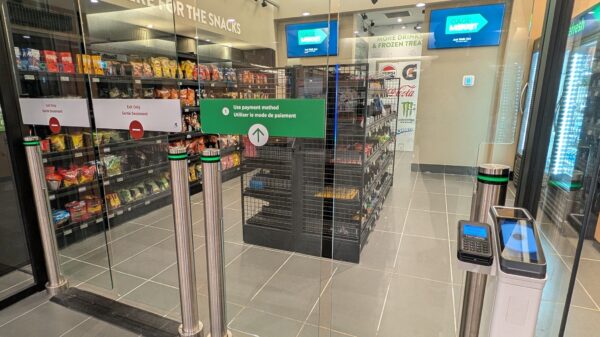
























































Australian retail spending has surged 5% year-on-year in the lead-up to Christmas, bolstered by robust growth in department and discount stores, along with a significant uptick in online sales, according to new data from Visa. The insights, derived from Visa Consulting & Analytics’ Retail Spend Monitor and the company’s Global Spending Shift research, reveal that consumers are spreading their purchases over an extended pre-holiday season while increasingly incorporating artificial intelligence into their shopping habits amid growing concerns about payment security.
The Retail Spend Monitor, which tracks transactions over the seven weeks starting from early November, registered a 5% increase in total retail spending compared to the same period last year. Notably, departmental and discount stores experienced the fastest growth, with spending in this category rising by 16.1%. Electronics retailers also reported a significant boost, with sales increasing by 10%.
David Peacock, Head of Visa Consulting & Analytics for Visa Oceania, attributed this trend to a shift towards earlier shopping and broader economic resilience. “Sales continue to have a material impact on how Australians shop for Christmas, incentivising earlier gift purchases. There has also been a general increase in the growth of retail spend in Australia, with resilient employment supporting higher-than-expected spending,” Peacock noted.
Despite the surge in online shopping, nearly 58% of total retail spending still occurred in physical stores. Online sales grew by 15%, surpassing overall market growth and highlighting the ongoing transition to digital channels for peak-season purchases. Wayne Best, Visa’s chief economist, emphasized the importance of consistent shopping experiences across different platforms. “Whether shoppers were upgrading their tech, refreshing their closets, or stocking up at one-stop shops, retailers delivered seamless shopping experiences both in stores and online,” he said.
This season marks a notable shift in consumer behavior regarding technology, with almost half of Australians—47%—reporting the use of AI tools for gift ideas, research, or planning. Additionally, shoppers are embracing new payment methods and authentication tools, with 80% expressing a preference for frictionless checkout experiences. Nearly half, or 47%, already utilize biometric authentication such as fingerprints or facial recognition to verify transactions.
The data indicates that the average Australian holiday shopper now navigates a mix of in-store visits, online browsing, and AI-driven recommendations. Speed at checkout has become a priority, with consumers expecting uniform payment processes across different channels. Visa’s Global Spending Shift research shows that Australians remain among the most active cross-border online shoppers globally, with 71% purchasing from overseas retailers, compared to a global average of 59%. Key reasons for this behavior include value and product choice, along with the desire to maintain connections with family and friends abroad.
The combination of strong domestic spending growth and significant cross-border shopping underscores a consumer base that actively compares global offers while maintaining steady spending at home. However, alongside the increase in digital shopping and international purchases, concerns regarding fraud have intensified. A substantial 76% of Australians expressed worries about more sophisticated scams during peak shopping months.
Moreover, shoppers are increasingly apprehensive about how their personal information is managed as AI and digital tools take a more prominent role in the purchasing process. Visa reported that 65% of respondents continue to be concerned about data usage, highlighting the necessity for trust and transparency in the holiday shopping experience. Retailers and payment providers are under pressure to balance the demand for fast, low-friction checkouts with visible security measures and clear data practices.
In recent years, the acceptance of tap-and-go and mobile payments has become commonplace in everyday transactions, elevating expectations for consistent security across in-store terminals, apps, and international platforms during the bustling end-of-year period. Alan Machet, Visa’s Group Country Manager for Oceania, noted that local shoppers hold specific expectations regarding payment processes during the festive season. “Simple, smart, and safe—that’s what Australians expect from holiday spending. From tapping a phone in stores to shopping in global marketplaces, people want confidence that every payment is secure. That trust is what keeps everyday spending moving,” Machet stated.
See also AI in Finance Awards 2025 Highlights Banks’ Strategic Shift to Core AI Integration
 GenAI in Banking: Balancing Hype with Practical Applications for 2026 and Beyond
 Healthcare VCs Predict 2026 Focus on AI Solutions and M&A, Few IPOs Expected
 Freshworks Plans $800 Million AI-Focused Acquisitions to Boost Growth Strategy
 Oracle Partners with TikTok in US Joint Venture Amid AI Data Center Funding Concerns