






















































The WMF AI Global Summit is set to return, reinforcing its status as a pivotal gathering for enterprises, startups, and policymakers engaged in the practical realities of artificial intelligence deployment. Scheduled for later this month, the summit aims to address the rapidly evolving landscape of AI, which has transitioned beyond mere proof of concept into a core business component.
As the global AI market is projected to exceed $500 billion by 2024, according to Statista, discussions at the summit will focus on actionable strategies rather than speculative potential. This year’s event has attracted a diverse mix of established companies, ambitious startups, and governmental representatives, all eager to explore how to implement AI safely and profitably.
This edition of the summit is particularly noteworthy for its emphasis on applied intelligence. Startups attending are keen to move past the hype that has dominated the sector in recent years. While generative AI has captured public imagination, organizations now face the daunting challenge of integrating these technologies into complex existing infrastructures. The summit serves as a crucial venue for technical architects and business leaders to discuss integration challenges, data privacy requirements, and genuine returns on investment.
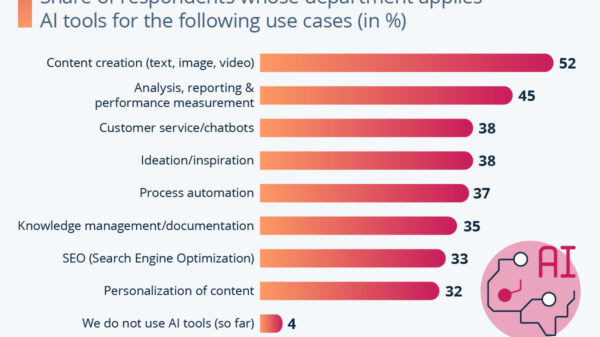
The overarching theme this year is the shift from experimentation to execution. In the initial excitement surrounding AI, many organizations hastily announced initiatives without a solid strategy. As noted by Bloomberg, corporate spending on generative AI is now shifting from broad explorations to targeted use cases, such as automated customer service, supply chain optimization, and internal knowledge management.
This pivot is particularly critical for startups aiming to penetrate the enterprise space. Buyers, fatigued by empty promises, are actively seeking solutions that deliver measurable efficiency gains rather than mere showcase technology. The summit’s agenda is tailored to meet this demand, featuring workshops and keynotes that focus on necessary technical aspects, including data pipeline management and cost reduction strategies for computational resources.
Moreover, smaller companies have a unique advantage in this environment, as they can often outmaneuver their larger counterparts. While tech giants like Microsoft and Google vie for extensive enterprise contracts, agile startups can tap into specific industry problems, creating specialized solutions that offer immediate value. For instance, a machine learning model tailored for predictive maintenance in commercial real estate might be more appealing to clients than a generalized chatbot.
Regulatory Currents and Market Realities
No significant AI conference would be complete without addressing governance, and the WMF summit is poised to tackle this issue directly. With the European Union finalizing its AI Act, companies engaged in or working with Europe must prepare for stringent compliance requirements. According to the Financial Times, being ready for compliance is quickly becoming a competitive edge, as enterprise clients are increasingly averse to software that carries regulatory risks.
For startups and venture capitalists attending the summit, networking is secondary to gaining a realistic understanding of how risk assessment frameworks will influence product development cycles. Sessions at the event are expected to delve into integrating transparency and safety protocols within development processes, rather than treating them as costly afterthoughts.
Ultimately, the timing of the WMF AI Global Summit is significant. The artificial intelligence landscape is maturing, and the future winners will likely be determined not by flashy marketing but by the ability to deliver reliable, compliant, and genuinely useful tools. Companies that engage seriously in these discussions and adapt their product roadmaps are poised to define the enterprise technology landscape for the next decade.
See also Bank of America Warns of Wage Concerns Amid AI Spending Surge
 OpenAI Restructures Amid Record Losses, Eyes 2030 Vision
 Global Spending on AI Data Centers Surpasses Oil Investments in 2025
 Rigetti CEO Signals Caution with $11 Million Stock Sale Amid Quantum Surge
 Investors Must Adapt to New Multipolar World Dynamics