


















































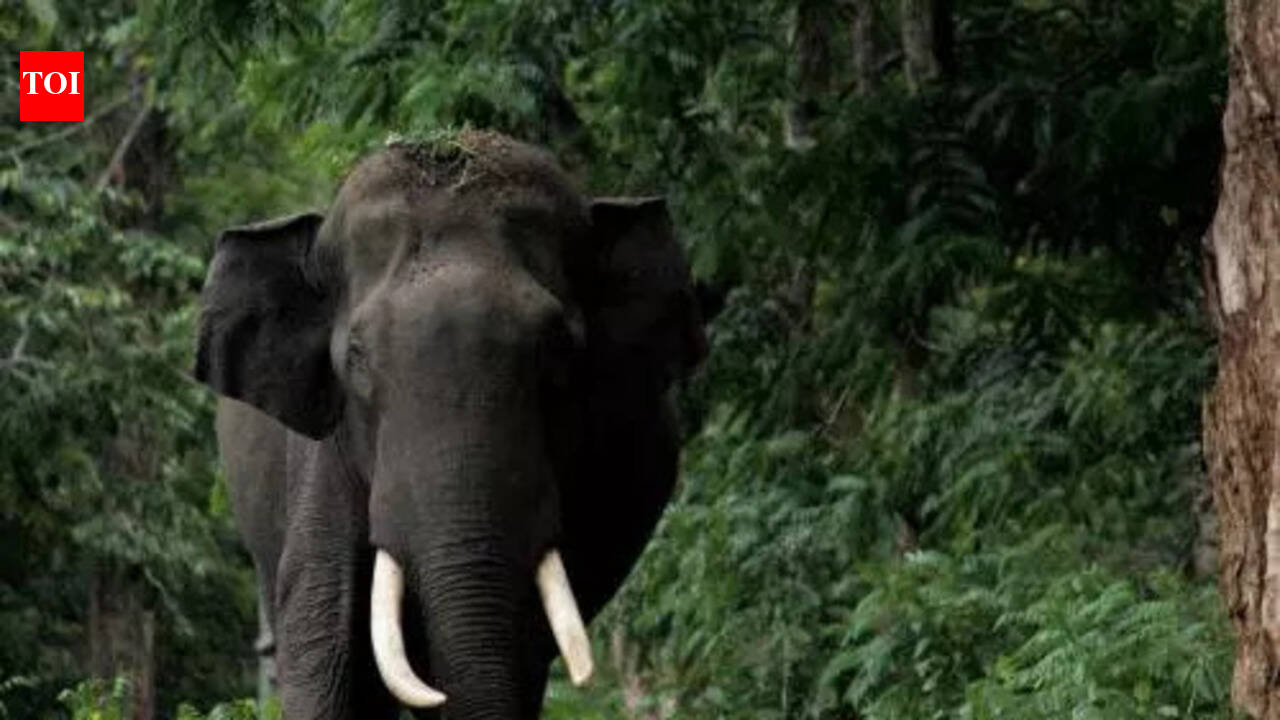
T’puram: An innovative AI-driven **elephant intrusion detection system** along the **Palakkad to Madukkarai** stretch has yet to become operational, despite the completion of most sensor and communication equipment installations. Originally slated for commissioning by December **2024**, the system is currently undergoing further trials and certification processes prior to its launch.
This vital route, connecting **Palakkad** and **Coimbatore**, is particularly susceptible to **elephant crossings**, posing significant risks to train operations. The system employs **distributed acoustic sensors (DAS)** to monitor and detect the presence of elephants on railway tracks. Key components include **optical fiber**, specialized hardware, and pre-installed signatures to identify elephant movement, all designed to enhance safety measures in this wildlife-prone area.
The system is intended to provide real-time alerts to **loco pilots**, station masters, and the control room regarding the proximity of elephants to the railway tracks. Specifically, alerts will be dispatched to station masters in the **Walayar-Kanjikode** section along the **Kerala-Tamil Nadu** border, enabling timely responses to potential hazards. Alerts will also be transmitted to approaching trains, allowing loco pilots to be informed through wireless communication.
This railway stretch traverses a forested region, making it a critical segment of the main line that facilitates numerous daily trains between **Kerala** and **Tamil Nadu**. To mitigate risks associated with elephant movement, the **Railway** authorities have implemented several preventive measures. These include speed restrictions for trains, the installation of **solar fencing**, and the deployment of AI-assisted cameras. In addition, conventional foot patrolling and periodic alerts from the **forest department** regarding herd movements are employed to enhance safety.
In conjunction with these technological advancements, the forest department has been actively monitoring elephant herds near the railway lines. **Elephant trackers** are responsible for tracking herd movements, ensuring that the railway authorities are informed and can take necessary precautions to prevent accidents. This proactive approach underscores the ongoing collaboration between wildlife management and railway operations to address the challenges posed by wildlife crossings.
While the potential benefits of the AI-based system are clear, its delayed implementation raises questions about the integration of technology in wildlife safety measures. As the trials proceed and certifications are obtained, stakeholders are hopeful that this initiative will significantly reduce the risks associated with elephant crossings on this crucial railway route.
Looking ahead, the successful deployment of the elephant intrusion detection system could serve as a model for similar initiatives in other wildlife-prone areas. As urbanization continues to encroach on natural habitats, the need for innovative solutions to safeguard both wildlife and human infrastructure becomes increasingly pressing. The integration of AI technology in monitoring wildlife movements could ultimately pave the way for safer transportation networks across India.
See also Anthropic’s Claims of AI-Driven Cyberattacks Raise Industry Skepticism
 Anthropic Reports AI-Driven Cyberattack Linked to Chinese Espionage
 Quantum Computing Threatens Current Cryptography, Experts Seek Solutions
 Anthropic’s Claude AI exploited in significant cyber-espionage operation
 AI Poisoning Attacks Surge 40%: Businesses Face Growing Cybersecurity Risks






