


















































Check Point Software Technologies has introduced a new cybersecurity framework aimed at addressing the escalating threats posed by autonomous artificial intelligence (AI) agents. This prevention-first framework emphasizes integrated architecture over the traditional reliance on segmented security tools, allowing organizations to maintain greater operational control in an increasingly complex threat landscape.
The urgency of this development is underscored by the warnings from the World Economic Forum, which has identified AI-enabled cybercrime as the leading threat to online security by 2026. The rise of synthetic media and automated deception is projected to incur billions in losses across national economies. As these fraudulent tactics evolve into systemic risks that circumvent established defenses, global leaders are advocating for a coordinated international response. This is necessary to address the growing divide between the rapid escalation of AI threats and the fragmented regulatory frameworks currently in place.
In parallel to this announcement, Kaspersky has unveiled enhancements to its Kaspersky Next product line. The firm has transitioned to an Open Single Management Platform (OSMP), effectively integrating Endpoint Protection Platforms (EPP), Endpoint Detection and Response (EDR), Extended Detection and Response (XDR), and Security Information and Event Management (SIEM) into a unified console. This consolidation is designed to optimize efficiency, reportedly reducing hardware resource demands by up to 60% for XDR users. Notably, the platform introduces KIRA AI, a generative AI assistant that can simplify complex command lines and convert natural language requests into structured threat-hunting queries.
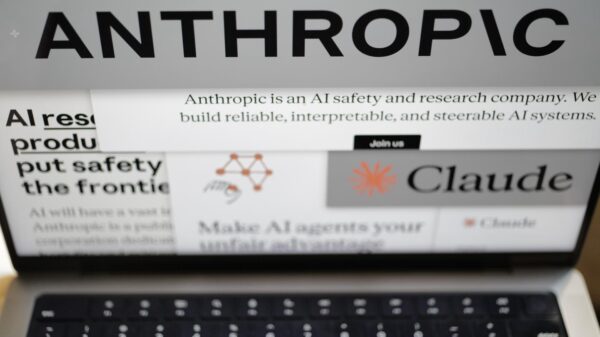
Meanwhile, the cybersecurity sector experienced a notable downturn as concerns over AI-driven disruption rattled investor confidence. Following the introduction of Anthropic’s new code-scanning tool, which features autonomous capabilities for identifying and remediating software vulnerabilities, major industry players such as CrowdStrike and Zscaler saw their stock prices decline by approximately 10%. Analyst reactions suggest that this shift may redefine existing business models within the cybersecurity market.
The implications of these advancements and challenges are significant for the cybersecurity landscape. As companies like Check Point and Kaspersky innovate to counteract emerging threats, traditional security models may increasingly face obsolescence due to the rapid development of AI technologies. This situation not only compels organizations to reevaluate their cybersecurity strategies but also signals a potential transformation in the regulatory landscape, as authorities seek to implement frameworks that can effectively mitigate the risks associated with advanced AI threats.
As the situation unfolds, the convergence of AI and cybersecurity will likely dominate discussions at industry conferences and among policymakers. The evolving threat landscape necessitates vigilant adaptation and proactive measures to safeguard digital infrastructure. The market will be watching closely as organizations respond to these innovations and challenges, shaping the future of cybersecurity in an AI-driven world.
See also Anthropic’s Claims of AI-Driven Cyberattacks Raise Industry Skepticism
 Anthropic Reports AI-Driven Cyberattack Linked to Chinese Espionage
 Quantum Computing Threatens Current Cryptography, Experts Seek Solutions
 Anthropic’s Claude AI exploited in significant cyber-espionage operation
 AI Poisoning Attacks Surge 40%: Businesses Face Growing Cybersecurity Risks