


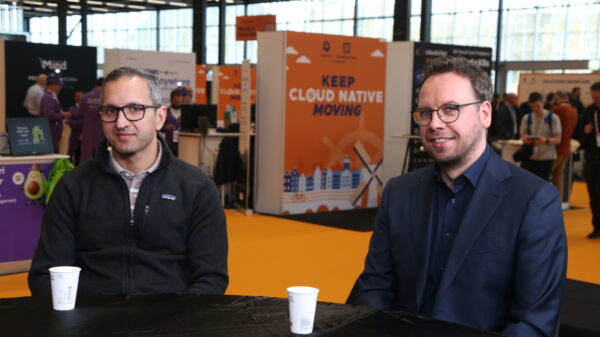








































Cybersecurity professionals warned on Tuesday that businesses must prepare for the imminent threat of AI-enabled cyberattacks. Speaking at a Washington privacy conference, Brenda Sharton, the global chair of cyber, privacy, and AI practice at law firm Dechert LLP, urged companies to reduce the “blast radius” of potential attacks by equipping employees with the knowledge to mitigate exposure.
“Assume you are going to have a breach at some point,” Sharton emphasized, highlighting the inevitability of cybersecurity threats in an increasingly digitized world. This perspective was echoed by John Ansbach, a managing director at cybersecurity firm Stroz Friedberg, who stressed the importance of employee familiarity with existing systems and protocols designed to protect organizational assets.
The dialogue surrounding cybersecurity has intensified as companies increasingly integrate AI technologies into their operations. As these technologies advance, so do the tactics employed by cybercriminals, raising concerns about the potential for more sophisticated attacks. Sharton and Ansbach underscored the necessity of close coordination between employees and IT departments, advocating for proactive measures that empower staff to recognize and respond to cyber threats effectively.
In today’s landscape, where remote work and cloud computing are commonplace, organizations face unique vulnerabilities. Cybersecurity incidents can arise from seemingly innocuous actions, such as clicking on a phishing link or mishandling sensitive information. Sharton noted that the human element remains a critical factor in safeguarding against cyber threats, urging companies to foster a culture of cybersecurity awareness among employees.
Ansbach further elaborated on the impact of AI on cybersecurity, indicating that while AI technologies can enhance security measures, they also present new challenges. “The same tools that can help us defend against attacks can also be weaponized,” he cautioned, highlighting the dual-use nature of AI in the cybersecurity realm.
The increasing complexity of cyber threats necessitates a shift in corporate strategy. Companies are now being advised to implement comprehensive training programs that not only inform employees about existing security protocols but also simulate potential attack scenarios. This hands-on experience can bolster readiness and collective defense capabilities within organizations.
As the conversation around AI-enabled cyberattacks evolves, industry leaders are calling for greater collaboration between private entities and government agencies. Sharing intelligence and best practices can enhance overall resilience against threats that are becoming more pervasive and sophisticated. The role of regulatory frameworks in bolstering corporate cybersecurity measures is also gaining attention, with several experts advocating for clearer guidelines to help businesses navigate the complexities of data protection.
The stakes are high, not just for individual companies but for the broader economy as well. Cyberattacks can lead to significant financial losses, damage to reputation, and loss of consumer trust. As Sharton aptly pointed out, being prepared for a breach is not just a strategic advantage; it is a necessity in the current digital landscape.
Looking ahead, the integration of AI into both cybersecurity and cyberattacks will likely define the future of digital security. Companies that prioritize a proactive approach and invest in employee training and technological defenses will be better positioned to withstand the evolving threat landscape. The call to action from cybersecurity experts serves as a critical reminder that vigilance and preparedness are paramount in safeguarding against the inevitable challenges posed by cybercriminals.
See also Anthropic’s Claims of AI-Driven Cyberattacks Raise Industry Skepticism
 Anthropic Reports AI-Driven Cyberattack Linked to Chinese Espionage
 Quantum Computing Threatens Current Cryptography, Experts Seek Solutions
 Anthropic’s Claude AI exploited in significant cyber-espionage operation
 AI Poisoning Attacks Surge 40%: Businesses Face Growing Cybersecurity Risks