

































As the frequency of autonomous cyberattacks escalates, cybersecurity teams must adopt a proactive security posture to counteract the evolving threats, according to Rob Lefferts, Microsoft’s corporate vice president for threat protection. Speaking in an interview with CRN, Lefferts emphasized that organizations will increasingly find it essential to respond promptly to AI-driven attacks.
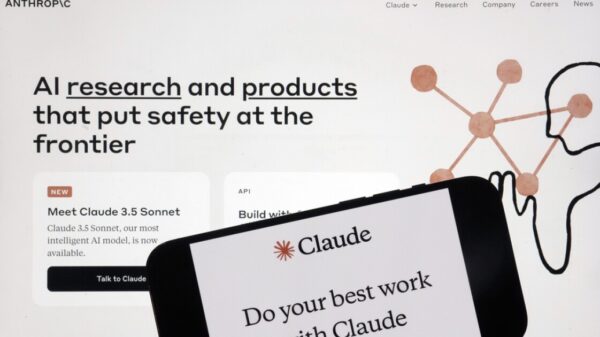
Lefferts pointed to a recent “AI-orchestrated cyber espionage campaign” against Anthropic as a harbinger of the more automated assaults anticipated in the future. He noted that while the cybersecurity landscape is shifting, the fundamental strategies to combat these threats remain unchanged. Organizations still need robust monitoring and detection systems in place, but they must now operate at a pace that aligns with the rapid advancements in cyberattack capabilities.
“The arrival of autonomous attacks completely changes the game because of speed and scale,” Lefferts stated, underscoring the urgency for security teams to adapt swiftly. He called for organizations to enhance their detection capabilities and improve their response times, noting that the stakes are higher than ever.
Microsoft has been actively integrating AI and “agentic” capabilities into its security offerings to meet the growing demands of this new landscape. These capabilities aim to streamline and enhance the efficiency of security teams, who often face overwhelming workloads. Lefferts asserted that the future of cybersecurity will increasingly rely on the coordination of “systems of agents” that can autonomously perform security tasks, allowing human analysts to focus on higher-level strategic insights.
The ongoing development of Microsoft’s Sentinel and Security Copilot platforms represents a significant leap in enabling organizations to utilize AI effectively. In September 2025, Microsoft announced updates that included the launch of a new data lake feature and enhanced interconnectivity between security tools. These advancements will be crucial for security teams as they fortify defenses against the anticipated surge in autonomous attacks.
Lefferts described the need for security tools to share information and insights seamlessly, asserting that a cohesive system capable of real-time data analysis will be vital for effective incident response. “With Sentinel and Defender working back and forth across those systems, that’s an automated, machine-speed process that does containment of live attacks,” he explained.
Amidst this changing landscape, Lefferts stressed the importance of leveraging AI to enhance cybersecurity productivity. “We can’t hire enough security professionals. We’re short 4 million professionals globally,” he said, highlighting the necessity of employing AI to augment the capabilities of existing teams. He noted that AI tools can significantly increase the efficiency and accuracy of security tasks, such as phishing analysis, by pre-investigating alerts and reducing the noise that analysts must sift through.
Regarding future challenges, Lefferts expressed concern about organizations that are ill-prepared for AI-driven cyber threats. He pointed out that companies lacking basic cybersecurity measures are especially vulnerable to ransomware and other sophisticated attacks. “If you’re ready, you can detect, monitor and evict. If you’re not, then you have very few options,” he warned.
Lefferts outlined three essential components for organizations to effectively counter these emerging threats. First, comprehensive visibility is crucial, requiring a robust data infrastructure that allows for effective AI integration. Second, tools must be interconnected to ensure that they function collaboratively rather than in silos. Finally, organizations must invest in advanced AI tools and agents that can operate in real-world scenarios and provide actionable insights.
Looking toward the future, Lefferts indicated that Microsoft plans to unveil more AI agents and continue refining how security operations centers collaborate. This integrated approach to cybersecurity will be essential as the industry adapts to the increasing complexity and volume of attacks. “We’re taking a step back to think about how a SOC works together, end to end,” he stated.
The rise of AI in cybersecurity presents both opportunities and challenges. As attackers become more adept at leveraging AI for malicious purposes, organizations must also enhance their defenses. Lefferts noted that the complexity introduced by AI systems creates new vulnerabilities, necessitating comprehensive security measures to safeguard both organizational data and the AI systems themselves.
In this fast-evolving landscape, the imperative for organizations is clear: embrace AI as a fundamental aspect of cybersecurity strategy. As Lefferts concluded, the future of security will hinge on the effective orchestration of AI systems and human oversight, with the potential to transform the industry in unprecedented ways.
See also Deepfake AI Set to Drive Corporate Fraud Surge by 2026, Warns Nametag Report
 ThreatQuotient Earns Seven Awards, Expands Threat Intelligence Capabilities After Securonix Acquisition
 Quantum Computing Threatens Current Encryption; Embracing Zero Trust in Cybersecurity
 Novee Secures $51.5M to Launch AI-Driven Cybersecurity Against Advanced Threats
 AI-Driven Cyberattacks Surge in Mexico, Targeting Energy and Banking Sectors