












































The rise of remote work and the proliferation of sensitive data across multiple platforms have underscored the necessity for enhanced data loss prevention (DLP) measures, according to industry experts. Following the COVID-19 pandemic, enterprises found themselves grappling with an expanded attack surface, as employees utilized an increasing number of applications for remote collaboration. Notably, the advent of generative AI has introduced novel challenges, including non-human identities and potential data leakage across communication and cloud services such as Slack, Google Workspace, Microsoft 365, Jira, and Salesforce.
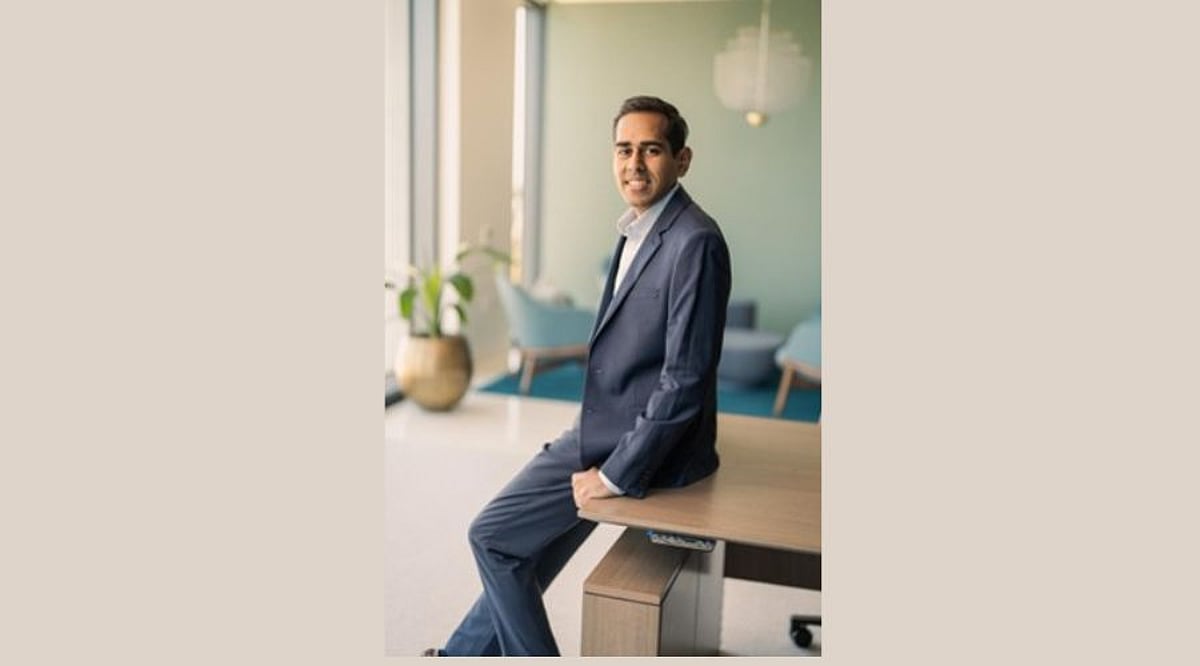
In a recent discussion, an investor highlighted the “inevitability” of the separation between companies offering durable solutions and those whose products can be postponed for budgetary reasons. He emphasized that when the issues at stake cause anxiety for boards and Chief Information Security Officers (CISOs), they become non-discretionary. This urgency has led to the need for a significant evolution in data loss prevention strategies, moving away from legacy perimeter security models.
In 2022, the investor led a $32 million investment into Nightfall AI, acquiring over 20 percent ownership in the company. His confidence in this opportunity was rooted in a thorough examination of the DLP landscape, which included meeting various founders to understand their visions and assessing how enterprises were adapting to the ongoing shifts in work dynamics.
During this deep dive into the DLP space, three critical signals emerged for the investor. First, the shift to remote and hybrid work arrangements appears to be permanent. Second, the rapid proliferation of Software as a Service (SaaS) applications has led to fragmented visibility into sensitive data flows within organizations. Lastly, the accelerating adoption of AI technologies is expected to further complicate the creation and movement of proprietary information.
Nightfall AI has distinguished itself in this competitive landscape through its modern architecture and commitment to customer satisfaction. The company’s platform goes beyond merely scanning static storage; it actively monitors data across various communication platforms and cloud applications in real time. This capability aligns with the way modern work is actually conducted, making it particularly relevant in today’s environment.
The investor noted that the decision to invest was not merely based on current momentum in the DLP market. Instead, it was driven by a recognition of the structural changes occurring in how enterprises manage their data—a critical aspect that will likely influence investment decisions moving forward.
As organizations adapt to a new normal characterized by remote work and digital collaboration, the evolution of data loss prevention strategies will be crucial. The ability to effectively monitor and protect sensitive information across a diverse array of platforms will not only safeguard data but also instill greater confidence among stakeholders. The implications of this shift extend beyond individual companies, potentially reshaping the entire landscape of cybersecurity and data protection in the coming years.
See also Anthropic’s Claims of AI-Driven Cyberattacks Raise Industry Skepticism
 Anthropic Reports AI-Driven Cyberattack Linked to Chinese Espionage
 Quantum Computing Threatens Current Cryptography, Experts Seek Solutions
 Anthropic’s Claude AI exploited in significant cyber-espionage operation
 AI Poisoning Attacks Surge 40%: Businesses Face Growing Cybersecurity Risks