
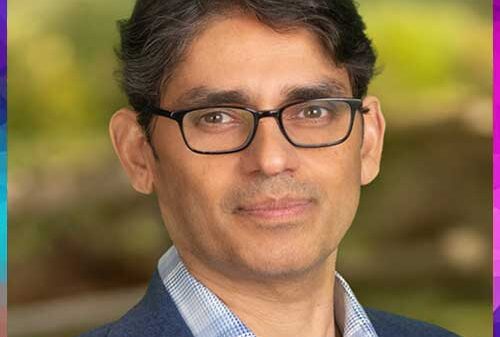








































Palo Alto Networks has highlighted the evolving landscape of artificial intelligence (AI) and its implications for cybersecurity, particularly in reducing response times to threats. In a recent discussion, Nicole Quinn, a leading figure at the company, emphasized that AI technologies are becoming both tool and target within the cybersecurity domain.
Quinn noted that the integration of AI into cybersecurity strategies has the potential to significantly enhance the speed of threat detection and response. “AI allows us to analyze vast amounts of data much more quickly than traditional methods,” she stated, underscoring the technology’s role in identifying vulnerabilities and preventing attacks. However, she also pointed out the challenges posed by AI, as malicious actors increasingly adopt sophisticated AI-driven tactics to launch cyberattacks.
The discussion comes at a time when organizations face an escalating number of cyber threats, with cybercriminals leveraging AI to automate attacks and enhance their strategies. This duality of AI as both a defensive and offensive tool highlights the critical need for companies to adapt their cybersecurity measures. According to Quinn, companies must remain vigilant and proactive to safeguard their data and systems against these advanced threats.
In particular, the use of AI in cybersecurity can streamline the incident response process. By utilizing machine learning algorithms, organizations can predict potential threats based on historical data, thereby reducing the time it takes to respond to incidents. Quinn referenced that “the ability to predict and preemptively mitigate threats is now more crucial than ever,” as companies grapple with increasingly complex cyber environments.
The conversation surrounding AI in cybersecurity is further fueled by the rapid advancements in AI technologies, which are reshaping how security operations centers (SOCs) function. Automation powered by AI allows security teams to focus on more strategic tasks rather than being bogged down by routine monitoring. As a result, businesses can allocate resources more effectively, enhancing overall security posture while managing costs.
Despite these advancements, Quinn warned that reliance on AI could create new vulnerabilities. The potential for AI systems to be manipulated by cybercriminals poses a significant risk, as these adversaries can exploit weaknesses in the models or use AI to launch more sophisticated attacks. “It’s a cat-and-mouse game,” she said, indicating that the cybersecurity industry must continue to innovate and adapt in response to emerging threats.
The ongoing evolution of AI and its role in cybersecurity also raises questions about regulatory frameworks. As AI technologies become more integrated into business operations, there is a growing need for clear guidelines and standards to ensure that they are used responsibly and ethically. Quinn emphasized the importance of collaboration among industry stakeholders, government bodies, and academia to develop a cohesive approach to AI regulation that addresses security concerns while fostering innovation.
As organizations increasingly adopt AI tools to bolster their defenses, the landscape of cybersecurity continues to shift. Quinn concluded that the focus must remain on developing robust strategies that not only leverage AI for enhanced security but also mitigate the risks associated with its misuse. “The future of cybersecurity will be defined by our ability to harness technology responsibly,” she stated, highlighting the delicate balance that must be maintained.
The implications of these developments are profound, as businesses prepare for a future where AI plays a pivotal role in both security and attack strategies. With the stakes higher than ever, the need for adaptive and forward-thinking cybersecurity measures will be paramount. As organizations navigate this challenging terrain, the insights shared by Quinn and others in the industry will be essential for shaping effective responses to the AI-driven cyber threat landscape.
See also Anthropic’s Claims of AI-Driven Cyberattacks Raise Industry Skepticism
 Anthropic Reports AI-Driven Cyberattack Linked to Chinese Espionage
 Quantum Computing Threatens Current Cryptography, Experts Seek Solutions
 Anthropic’s Claude AI exploited in significant cyber-espionage operation
 AI Poisoning Attacks Surge 40%: Businesses Face Growing Cybersecurity Risks