







































The transition to Google Cloud at Barton Peveril College is more than a mere server migration; it establishes a robust infrastructure designed to leverage artificial intelligence (AI) in educational operations. The college has already introduced specialized AI agents tailored to meet specific business needs, reflecting its commitment to pioneering AI applications within the academic environment.
These custom AI solutions are entirely built and hosted on Google Cloud, utilizing Vertex AI and powered by the Gemini API. This comprehensive integration includes various tools from the Google ecosystem, such as Google Workspace, Google Sites, Google Classroom, and Google Calendar. Notably, the college has developed a method to extract data from Google Sites using natural language queries, overcoming the absence of a direct API for this function.
Barton Peveril has launched two primary AI assistants that serve distinct user groups: students and faculty. The first, the Barton Buddy, functions as a digital assistant for students, streamlining access to information across multiple platforms. Traditionally, students may hesitate to log into multiple systems to gather information, such as from the Management Information System (MIS) or Google Classroom. Barton Buddy addresses this issue by utilizing API technology along with a large language model to access data across the entire Google stack, as well as external services like a local bus company’s schedule, despite lacking direct internet access.
Students can pose straightforward queries, such as “What lesson have I got next?” or “What homework have I got due?”, with Barton Buddy providing real-time responses through Google APIs. Another practical application of this technology allows students to inquire about daily lunch menus, catering to various dietary and allergen needs. However, in the student version, access to the original data source has been restricted, preventing requests for documents that the college prefers to keep confidential.
The second assistant, the Peveril Assistant, is designed to enhance the efficiency of faculty members by providing quick access to relevant information. Staff can seek answers to inquiries like “When do I see my first year class next?” or human resources questions including “What maternity leave are we entitled to?” and “How do I raise a purchase order?” The Peveril Assistant uses its extensive database of college policies and documents to deliver answers and offers hyperlinks to the data sources for further reference.
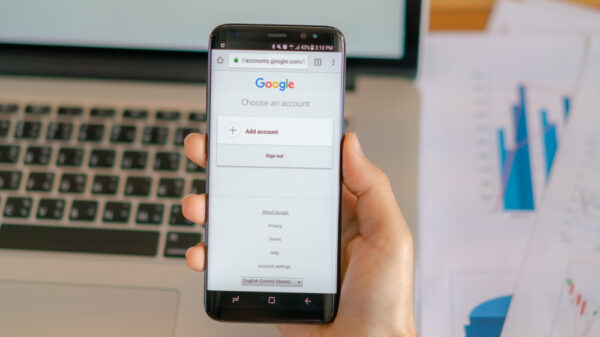
Access to these AI assistants is facilitated via a web browser, employing Google’s two-factor authentication (2FA) for secure sign-in. This browser-based approach eliminates the need for separate app store submissions, thereby enhancing user convenience while ensuring data privacy, as all operations occur within the college’s own digital environment.
Barton Peveril’s strategic move to AI-driven solutions not only enhances operational efficiency but also positions the college as a forward-thinking institution within the educational landscape. As AI technology continues to evolve, the college’s initiatives could serve as a model for other educational institutions seeking to harness AI to improve student and faculty experiences. This development underscores the potential of cloud-based AI solutions to transform traditional educational practices into more responsive and efficient systems.
See also Adobe Partners with UK Government to Launch AI Skills Initiative in Barnsley
 OpenAI Launches Codex Desktop App for Multi-Agent Development on macOS
 myAIcademy Launches Adaptive AI Learning Platform, Targeting $5.5 Trillion Skills Gap
 University of Kentucky Launches Kentucky’s First Bachelor’s Degree in AI for Fall 2026