































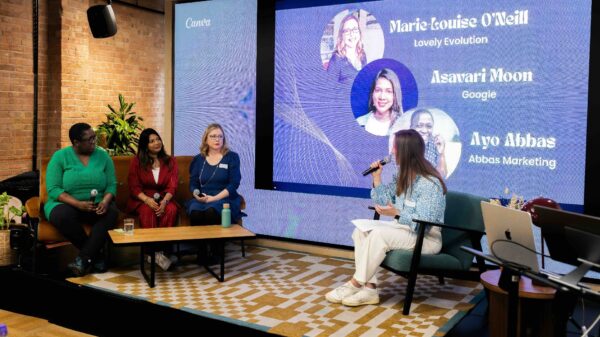














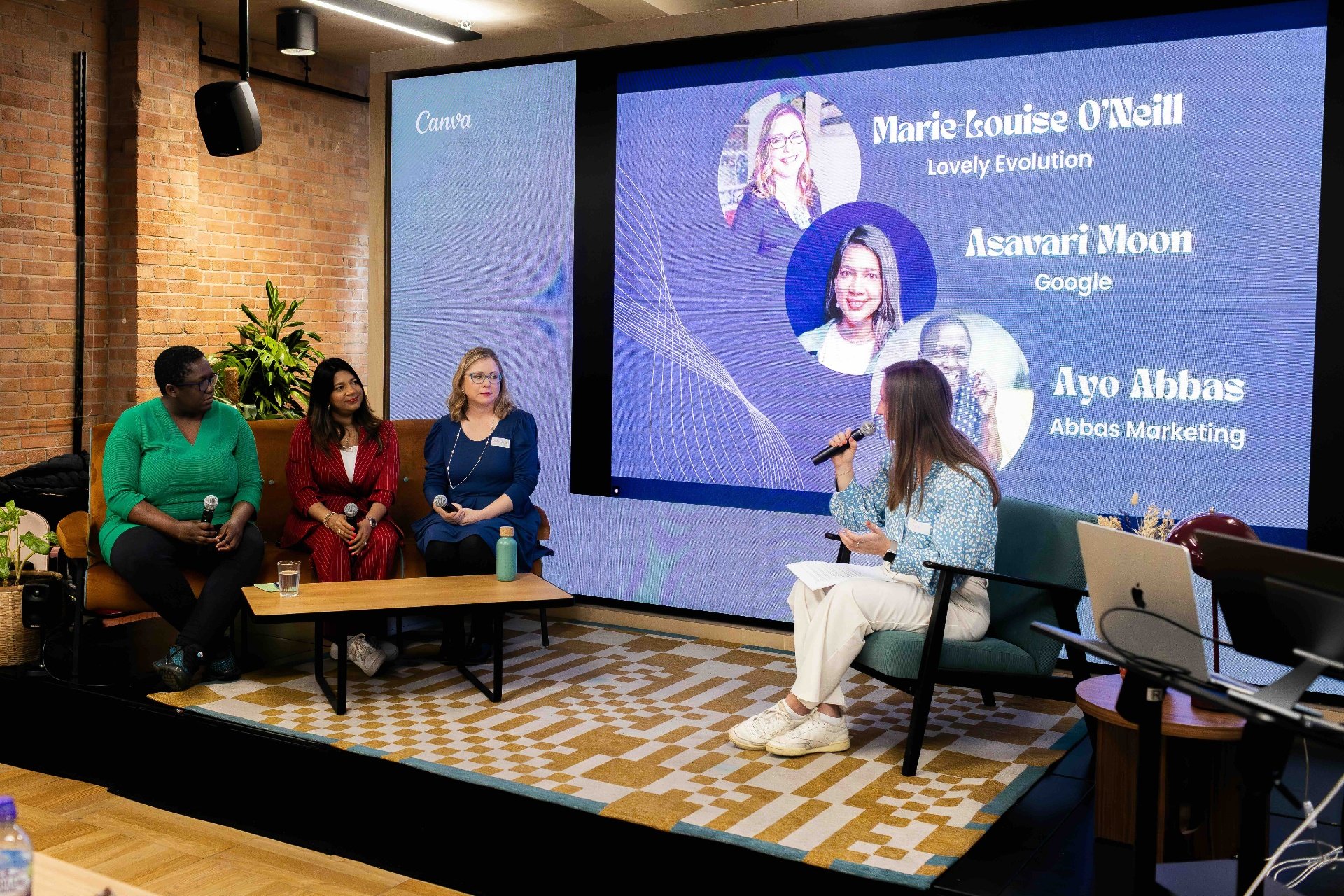
Digital Women will host an AI Build Day on March 24, 2026, at Canva’s London office on Old Street. The event aims to gather up to 40 participants for a hands-on hackathon focused on creating AI-powered solutions. Titled “AI Build Day! Give To Gain Digital Women @ Canva,” the event is designed to facilitate practical building rather than merely engaging in panel discussions.
Participants will work in teams of six to develop and pitch a tangible AI-driven product that aligns with the theme of International Women’s Day 2026, which is “Give To Gain.” The focus areas for the products will include economic empowerment, leadership, education, health, access, and opportunity. Organizers emphasize a shift from conversation to execution, promoting rapid prototyping through AI tools, no-code platforms, and Canva.
The hackathon will kick off with team allocations and a briefing on judging criteria, which encompasses clarity of the identified problem, effective use of AI, tangible output, scalability, and pitch strength. Participants will engage in brief skill sessions covering essential topics such as AI tools, rapid prototyping, creating marketing collateral in Canva, and structuring effective pitches. The build sprint will take place from late morning through early afternoon, culminating in three-minute pitches to a live judging panel composed of professionals from investment, entrepreneurship, marketing, and sales.
At the conclusion of the event, awards will be presented for the first, second, and third place teams. Digital Women asserts that participants will leave with concrete experience, including practical AI skills, opportunities for cross-functional collaboration, CPD accreditation, and professional photography and video coverage of their work.
This event is particularly aimed at non-technical professionals, making it accessible to marketers, entrepreneurs, founders, strategists, and creatives. Participants do not need prior technical experience, as teams will be curated to ensure a mix of roles such as builders, marketers, creatives, strategists, and sales professionals.
Lucy Hall, Founder of Digital Women, will lead the event and facilitate discussions. Hannah Saycell, CEO & Founder of Social Folk, will conduct a session focused on structuring three-minute pitches. Participants have the flexibility to utilize any AI tools during the hackathon, including ChatGPT, Canva’s AI features, no-code platforms, image generators, and coding assistants.
As AI-themed events have gained popularity over the last two years, often emphasizing keynotes and networking, this format marks a notable shift toward rapid experimentation and tangible deliverables within a single day. Digital Women aims to establish a practical skills environment that cultivates confidence and capability among participants rather than promoting passive learning. Limited capacity and tiered pricing for members and non-members blend community building with professional development and measurable outcomes.
As AI tools continue to lower technical barriers, initiatives like AI Build Day strive to determine whether non-technical professionals can transition from prompt experimentation to structured product development within a matter of hours. The long-term impact of this event will depend on whether the projects initiated here can extend beyond the hackathon into sustained implementation.
In addition to the hackathon, the ETIH Innovation Awards 2026 have opened for entries, recognizing education technology organizations that demonstrate measurable impact across K–12, higher education, and lifelong learning. These awards invite submissions from the UK, the Americas, and beyond, assessing entries based on evidence of outcomes and real-world applications.
See also Andrew Ng Advocates for Coding Skills Amid AI Evolution in Tech
 AI’s Growing Influence in Higher Education: Balancing Innovation and Critical Thinking
 AI in English Language Education: 6 Principles for Ethical Use and Human-Centered Solutions
 Ghana’s Ministry of Education Launches AI Curriculum, Training 68,000 Teachers by 2025
 57% of Special Educators Use AI for IEPs, Raising Legal and Ethical Concerns