













































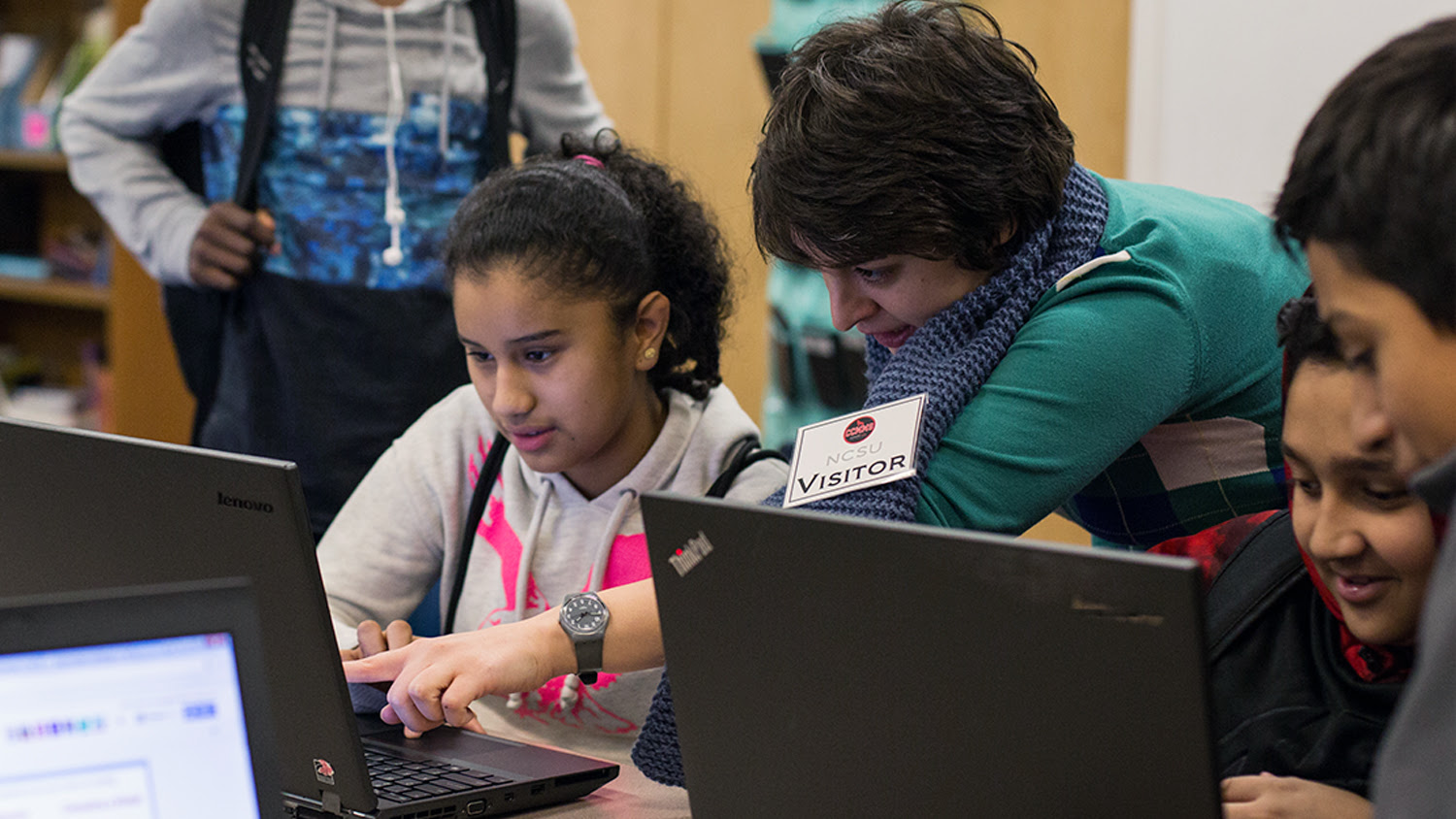
In an evolving educational landscape, the integration of artificial intelligence (AI) in classrooms presents both opportunities and challenges for educators. Experts Laura B. Fogle, Krista Glazewski, and Scott Summers recently shared strategies aimed at enhancing instructional effectiveness through thoughtful use of AI tools, particularly in K-12 settings. Fogle, a former director at the College of Education’s Media and Education Technology Resource Center (METRC), alongside Glazewski and Summers, who have extensive teaching backgrounds, emphasized the necessity of setting clear pedagogical goals when utilizing AI in lesson planning.
Fogle advocates for educators to critically assess their teaching objectives by asking fundamental questions: What do they aim to achieve? How do they envision student engagement? Incorporating AI outputs into lesson plans requires careful consideration of whether these tools align with students’ comprehension levels. Moreover, identifying supplementary resources can significantly enhance understanding, going beyond the initial AI suggestions.
Another crucial component discussed is the art of crafting effective prompts for AI tools. Educators are encouraged to provide context and specificity when engaging with AI chatbots, including details such as grade level, learning standards, and instructional goals. Research indicates that users who engage in multiple exchanges with AI platforms often receive more relevant and refined outputs compared to those who accept initial responses. Resources like the AI for Education website offer extensive prompt libraries and strategies for integrating generative AI, assisting teachers in honing their abilities to generate effective prompts.
Collaboration among educators is equally essential for establishing norms and expectations regarding AI use. Engaging in discussions within professional learning teams can foster a unified approach, while guidance from school districts can help set classroom standards. The North Carolina Department of Public Instruction has developed a comprehensive guide aimed at facilitating best practices for implementing AI tools, both for teaching and learning purposes.
Fogle, Glazewski, and Summers also stress the importance of involving students in the creation of AI usage guidelines. By building students’ AI literacy with age-appropriate resources, educators can lead meaningful dialogues about the advantages and risks associated with AI, including concerns about over-reliance. Clearly articulating the motivation behind learning activities and how AI can complement or undermine educational objectives is paramount. Such transparency helps establish a foundation of trust and understanding between teachers and students, ultimately enhancing the educational experience.
As the role of AI in education continues to expand, these strategies provide a framework for educators to navigate its complexities while fostering a context where students can thrive. By reevaluating pedagogical goals, skillfully utilizing AI tools, and collaborating with peers, teachers can better prepare their students for a future where technology plays an integral role in learning.
See also AI Video Enhancement Tools Elevate Online Education Quality by 40%—Here’s How
 Amazon Awards $10M to 63 Global Researchers in Spring 2025 AI Research Initiative
 Hawai‘i Schools Implement AI Guidelines to Enhance Learning and Safeguard Student Data
 Osaretin Agbonavbare Achieves MBA and Advances U.S. AI Leadership with iBARE Platform
 OpenAI Unveils GPT-5 Research, US Education Allocates $167M for AI Workforce Development