



















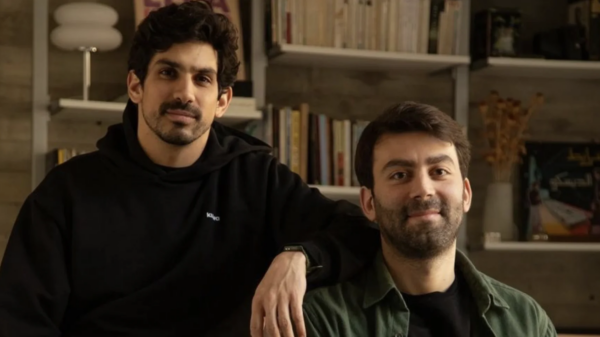

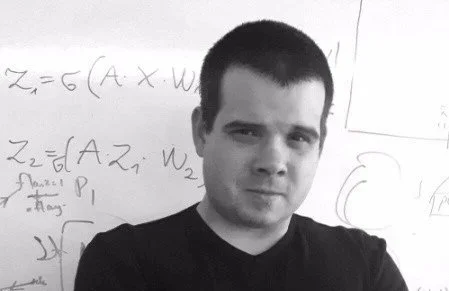












Google Research has appointed Benedek Rozemberczki to its OMEGA Algorithms Research team, transitioning from Isomorphic Labs, the Alphabet-backed AI drug discovery company. This move reflects the dynamic exchange of AI talent within Alphabet’s research divisions as advancements in machine learning, algorithms, and scientific computing continue to accelerate.
Rozemberczki announced his new role on LinkedIn, stating he has commenced “a new chapter with the OMEGA Algorithms Research team at Google Research” after more than three years at Isomorphic Labs. His tenure at Isomorphic Labs included significant contributions to machine learning applications in biology and leading efforts in bioactivity research as part of the company’s AI-driven drug discovery initiatives.
Reflecting on his experiences at Isomorphic Labs, Rozemberczki said, “Building Isomorphic Labs from the ground up and leading the bioactivity team was a once-in-a-lifetime opportunity.” He expressed gratitude to his colleagues, specifically thanking mentors James Kirkpatrick, Michael S., Wojciech Marian Czarnecki, and Max Jaderberg for their guidance in leadership and research, which he plans to carry into his new position.
Isomorphic Labs is focused on leveraging artificial intelligence to enhance the drug discovery process, utilizing AI models and computational biology techniques to expedite the identification and development of new therapies. Rozemberczki’s career trajectory underscores the fluid nature of the AI sector, where researchers frequently shift among labs, industry teams, and applied AI companies as machine learning applications expand across various fields, including healthcare and technology.
In his new role at Google Research, Rozemberczki will collaborate with the OMEGA Algorithms Research group, which specializes in large-scale machine learning, algorithms, and graph-based AI methods. He described joining the team as a significant milestone in his research career, asserting, “Joining a team of this caliber at Google is a true honor.” He also noted his long-standing admiration for several researchers within the group, including Jonathan Halcrow, Vahab Mirrokni, Bryan Perozzi, Alessandro Epasto, Anton Tsitsulin, and Michael Galkin, expressing that the chance to collaborate with these pioneers in graph machine learning is both exciting and humbling.
Rozemberczki joined Isomorphic Labs in 2022, advancing through various research roles before ultimately leading the bioactivity team. His previous experience includes serving as a senior machine learning engineer at AstraZeneca and holding roles at Google and GE Digital. His transition to Google Research aligns with broader trends in the AI landscape, where the movement of talent is indicative of the sector’s rapid evolution.
As Rozemberczki begins this new chapter, his contributions are likely to advance Google’s efforts in artificial intelligence, particularly in the realms of algorithms and machine learning. This transition not only signals an individual career progression but also highlights the ongoing evolution within the AI field, where innovative research and collaboration are critical to achieving breakthroughs in technology and science.
ETIH Innovation Awards 2026 are now open for submissions, recognizing educational technology organizations that make measurable impacts in K–12, higher education, and lifelong learning. Entries from the UK, the Americas, and internationally are welcome, with submissions evaluated based on evidence of outcomes and real-world applications.
See also Andrew Ng Advocates for Coding Skills Amid AI Evolution in Tech
 AI’s Growing Influence in Higher Education: Balancing Innovation and Critical Thinking
 AI in English Language Education: 6 Principles for Ethical Use and Human-Centered Solutions
 Ghana’s Ministry of Education Launches AI Curriculum, Training 68,000 Teachers by 2025
 57% of Special Educators Use AI for IEPs, Raising Legal and Ethical Concerns