
















































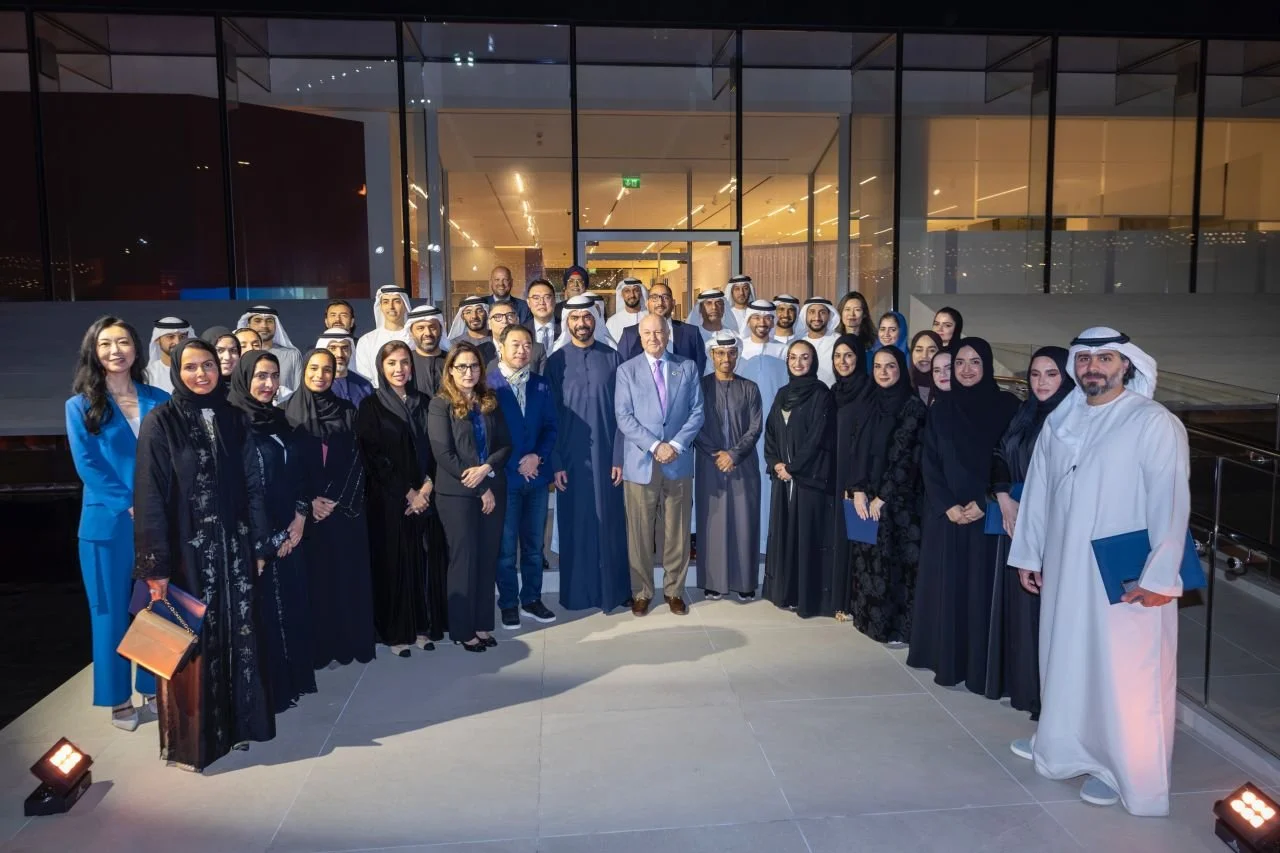
Mohamed bin Zayed University of Artificial Intelligence (MBZUAI) has unveiled The Academy, a new initiative aimed at fostering global dialogue on artificial intelligence across research, policy, industry, and culture. This launch, which coincides with the university’s five-year anniversary, signifies a strategic shift towards integrating AI leadership, governance, and practical impact alongside technical research.
The event took place in Abu Dhabi, attracting senior government officials, university leaders, partners, and alumni from MBZUAI’s Executive Program. The Academy is envisioned as both a leadership laboratory and a global think tank, concentrating on the societal implications of AI.
According to MBZUAI, The Academy aims to bridge the gap between advanced AI research and practical decision-making, providing support to senior leaders as they navigate the complexities of AI adoption, governance, and ethical considerations. Its programming will include executive education, thought leadership, and curated gatherings that unite expertise from various fields, including science, policy, industry, and the arts.
Eric Xing, President and University Professor at MBZUAI, described The Academy as a platform for “promoting new ideas and discovering emerging problems, nurturing collective wisdom to create greater impact in the community.” The launch also celebrated the graduation of the sixth cohort of the MBZUAI Executive Program, showcasing capstone projects such as an AI-powered personalized longevity companion designed to enhance health outcomes and reduce healthcare costs in Abu Dhabi.
Wadia Ait Hamza, in a LinkedIn post following the launch, emphasized that The Academy reflects MBZUAI’s broader aim to root AI development in real-world contexts. She articulated that the platform “creates a space where people from science, policy, industry, and culture can come together for thoughtful, grounded conversations about how AI actually shows up in the world.” Ait Hamza regarded the launch as a “natural extension” of MBZUAI’s ecosystem, highlighting AI not just as technology but as an influential force with social, cultural, and geopolitical consequences.
Spring Chunxiao Fu, Managing Director of The Academy, echoed these sentiments in a LinkedIn post, stating, “We aspire to be the bridge and translator between serious research to real world impact.” This vision positions The Academy as a long-term effort to address how organizations govern, adopt, and implement AI at scale.
As part of the launch, MBZUAI introduced its inaugural AI x Arts Fellowship, which will bring together eight internationally recognized artists and creative practitioners to collaborate with MBZUAI researchers. Through residency programs in Abu Dhabi, fellows will engage in projects that merge art, science, and technology while partnering with museums and cultural institutions throughout the emirate. This fellowship underscores a commitment to expanding the ways in which AI is understood, interpreted, and experienced in society, reinforcing The Academy’s broader mission of exploring AI’s role as a catalyst for cultural and societal change.
In addition to launching The Academy, the university also announced that the ETIH Innovation Awards 2026 are now open for submissions. These awards recognize educational technology organizations that demonstrate measurable impact across K–12, higher education, and lifelong learning sectors. Entries are welcomed from the UK, the Americas, and beyond, with submissions evaluated based on evidence of outcomes and real-world applications.
The establishment of The Academy at MBZUAI marks a significant step forward in the university’s ongoing commitment to leading conversations around AI and its implications. As the world increasingly grapples with the transformative potential of artificial intelligence, initiatives like The Academy will play a crucial role in shaping its governance and integration into various aspects of society.
See also Norway Launches National AI Championship with NOK 1M Prize Pool Starting March 19
 AI in Education Faces Privacy and Bias Challenges Amid Rapid Adoption of Learning Tools
 Nvitus Seeks K-12 Sales Executive with $200K+ OTE in Booming AI Edtech Sector
 Columbia Engineering Launches New MSAI Program to Meet Growing AI Job Market Demand
 Microsoft Launches AI-Aware Cybersecurity Toolkit for Educators Ahead of Safer Internet Day