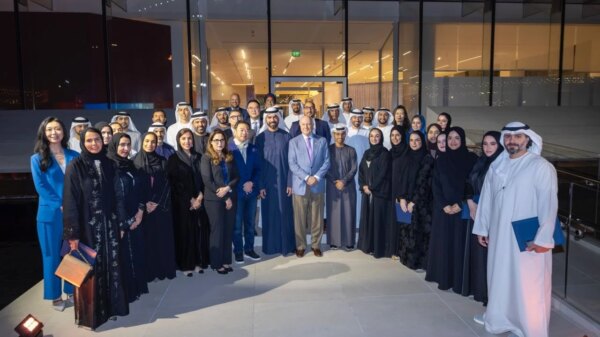












































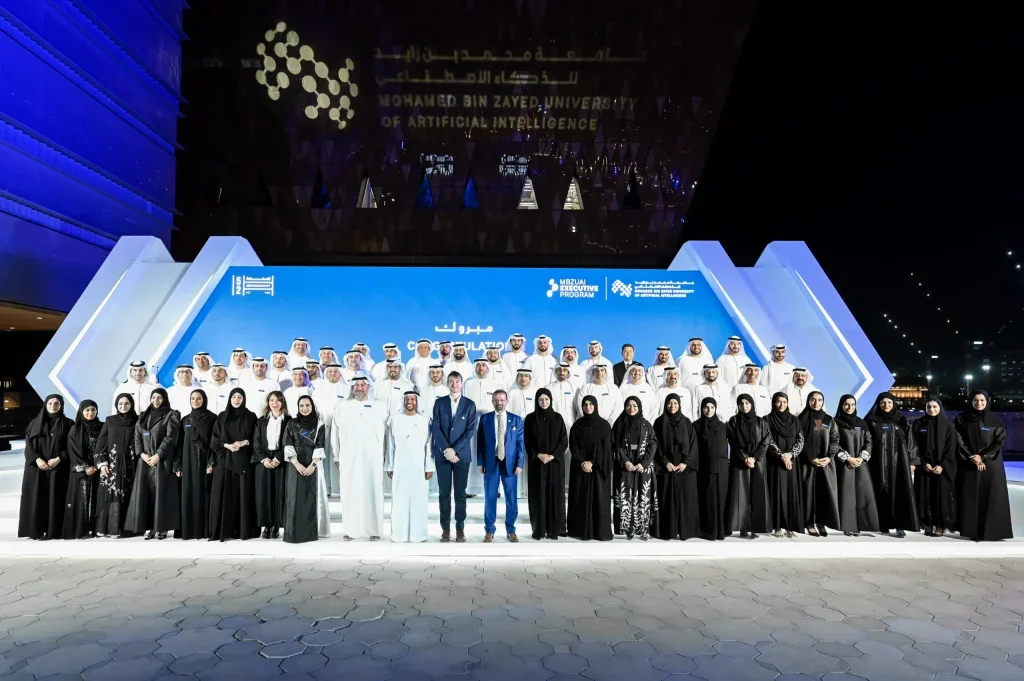
The Mohamed bin Zayed University of Artificial Intelligence (MBZUAI) has announced the opening of applications for its 2026 Global AI Leadership Program, a short-format executive initiative aimed at senior leaders rather than technical specialists. This program, which emphasizes AI strategy, governance, and policy, will run from February 6 to February 10, 2026, in Abu Dhabi, as organizations grapple with the transformative impact of artificial intelligence on decision-making and organizational leadership.
The announcement was made via LinkedIn by MBZUAI and its executive education arm, The Academy. The program seeks to address the growing need for understanding AI not merely as a technical project but as a crucial leadership responsibility. As governments and corporations continue to adapt to AI’s evolving role, the program positions itself at the intersection of enterprise strategy and public policy.
The Global AI Leadership Program is tailored for senior government officials, global executives, and C-level leaders tasked with driving large-scale organizational transformation. Participants will explore how AI influences enterprise strategy, governance frameworks, risk management, and public policy. Unlike traditional programs that focus on technical tools and models, this curriculum prioritizes executive decision-making within AI-driven environments.
In its outreach, The Academy emphasized the selective nature of the program, highlighting that seating will be limited for the upcoming cohort. The curriculum will cover a range of topics, including AI-driven strategy, generative and predictive decision-making, and regulatory implications stemming from AI advancements. Participants will also engage in site visits to various organizations implementing AI at scale, spanning sectors such as energy, transportation, cybersecurity, and government services.
MBZUAI finds its role increasingly pivotal within the context of the UAE’s national AI strategy, which aims to position the country as a global leader in artificial intelligence. The university, focused exclusively on AI research and education, is expanding its influence in executive education alongside its academic and research endeavors. The Global AI Leadership Program represents a significant step in this direction, fostering a deeper understanding of AI’s implications among decision-makers.
With the rapid advancement of AI technologies, the program’s timing is particularly relevant, as organizations worldwide continue to navigate the complexities of AI integration into their operations and governance. The push for leadership training in this area reflects a broader recognition of AI’s role in shaping future business and governmental landscapes.
As the application window opens, stakeholders keen on influencing AI strategy at their organizations are encouraged to consider participation. The program stands as a testament to the evolving nature of leadership in the age of artificial intelligence, underscoring the necessity for leaders to adapt and respond to technological advancements effectively.
See also AI Dialogue Urges Rethink of Education Systems to Enhance Learning Outcomes in 2026
 Pat Yongpradit Joins Microsoft as GM of Global Education and Workforce Policy
 Sazience and MIT AGA Launch AI System to Accelerate Medical Image Interpretation
 AI’s Role in Education Expands: 644% Surge in Job Postings Requiring Generative AI Skills
 Renaissance Appoints Gerri Martin-Flickinger as Board Chair to Drive K–12 Innovation