













































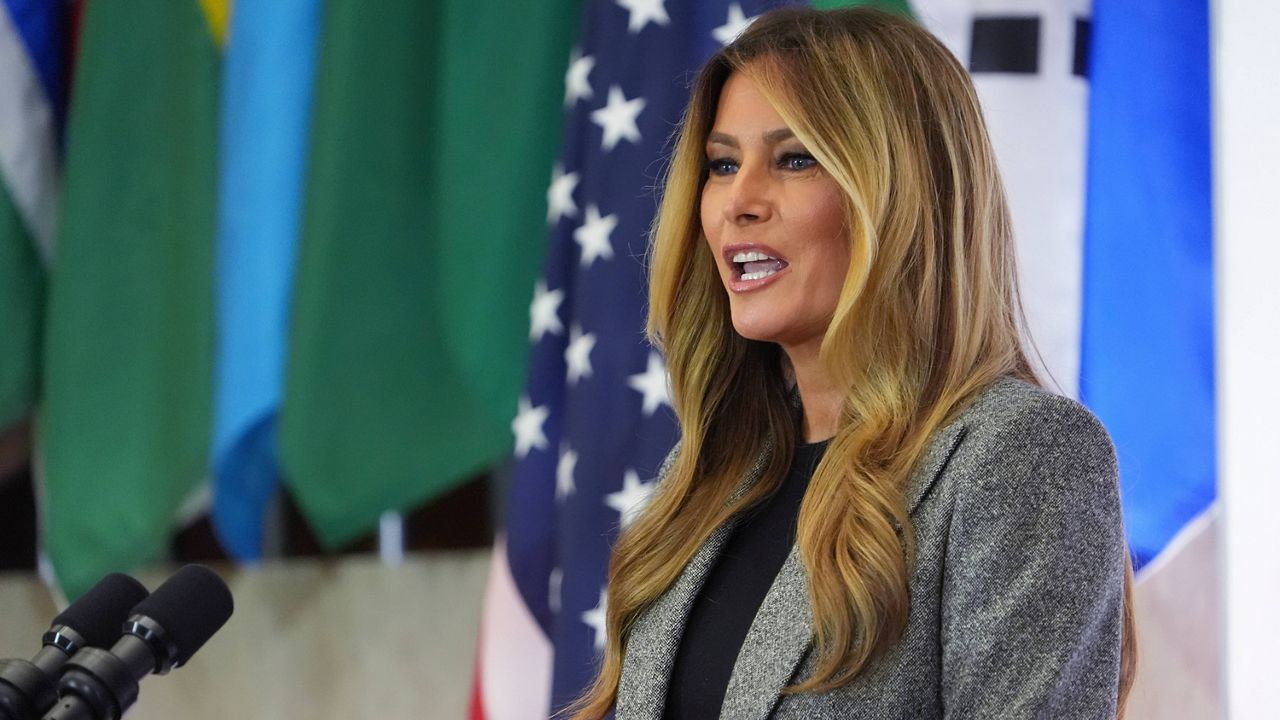
WASHINGTON — Education Secretary Linda McMahon emphasized the responsible integration of artificial intelligence (AI) in classrooms as a top priority during her remarks at first lady Melania Trump’s inaugural Fostering the Future Together Global Coalition Summit in Washington, D.C., on Tuesday. McMahon advocated for AI’s role in enhancing education through digital assessments, immersive simulations, and adaptive learning systems that complement, rather than replace, traditional human-centered instruction.
The two-day summit gathered dignitaries from 45 countries and representatives from 28 tech companies to explore best practices for empowering children through education and technology, including AI. McMahon highlighted the potential of scaling AI resources effectively by investing in infrastructure and training, stating, “If we’re able to scale these resources effectively by investing in AI infrastructure and training, we can offer expert instructions across countless fields, to hire volumes of people at a fraction of the cost.”
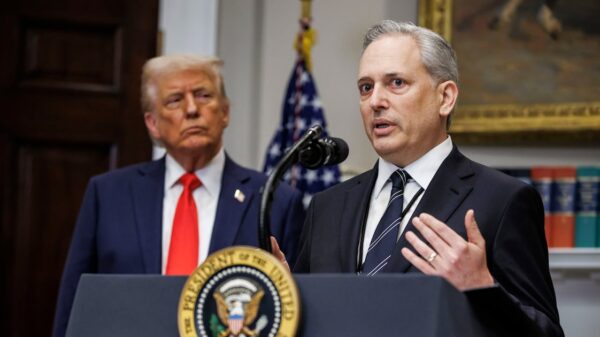
In a collective effort, White House Office of Science and Technology Policy Director Michael Kratsios announced that he is collaborating with the first lady, the Department of Education, the Department of Energy, and the National Science Foundation to expand AI education programs in K-12 schools. He stressed the importance of preparing the next generation to utilize AI responsibly, noting, “The most important thing we can do collectively to set the next generation up for success is to prepare them to use, understand and build AI.”
McMahon’s remarks, which framed AI as a technological leap comparable to the invention of the printing press and the rise of the internet, underscored the Department of Education’s commitment to integrating AI into learning. She revealed that the department has already allocated millions of dollars in grants to support AI-driven educational projects. In July, the department announced it would leverage federal funds to improve educational outcomes through AI-enhanced learning materials and tutoring.
At the summit, McMahon pointed to the Alpha School in Austin, Texas, as a model for AI integration. The school claims to provide each student with an AI tutor for the first two hours of each day, aimed at identifying individual needs and addressing areas requiring assistance. “The genius of the Alpha School is how an AI-supported, customized learning path is guided by a teacher to personalize support for each student, to help students explore their life goals and to teach them the skills necessary to achieve them,” she said, adding that students there are mastering material at a pace exceeding national benchmarks.
The growing use of AI in education has also prompted the National Education Association (NEA) to advocate for its application only when supported by data confirming its effectiveness alongside high-quality human instruction. The NEA has emphasized the need for students and educators to remain at the center of the educational experience.
Kratsios echoed this sentiment during the summit, highlighting the crucial need for every student to acquire foundational knowledge about AI—understanding algorithms, machine learning, and the technology’s limitations. He stated, “Every career path will use AI as a tool in some way, so every child should be able to fully take advantage of applications with confidence and responsibility.”
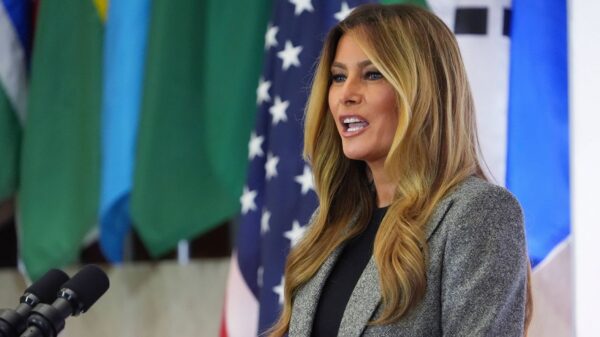
The discussions at the Fostering the Future Together summit encompassed not only AI in education but also examined education technology tools, digital literacy, and online safety. First Lady Melania Trump remarked that the summit aimed to “prioritize children above political philosophy, geographical borders, and local prejudices.”
Trump initiated the Fostering the Future initiative in 2021, aiming to assist children in foster care through scholarships, mentorships, and career development. During President Donald Trump’s second term, she launched the presidential AI challenge for students and teachers, encouraging the use of AI to address real-world issues. The initiative also led to the “Fostering the Future” executive order signed in November, aimed at creating partnerships between the federal government and the private sector to develop technology-based scholarships and AI-powered career services.
As the dialogue surrounding AI in education continues to evolve, the insights gathered from the summit may shape future policies, ensuring that technology serves as a tool for empowerment rather than replacement within educational frameworks.
See also Andrew Ng Advocates for Coding Skills Amid AI Evolution in Tech
 AI’s Growing Influence in Higher Education: Balancing Innovation and Critical Thinking
 AI in English Language Education: 6 Principles for Ethical Use and Human-Centered Solutions
 Ghana’s Ministry of Education Launches AI Curriculum, Training 68,000 Teachers by 2025
 57% of Special Educators Use AI for IEPs, Raising Legal and Ethical Concerns