















































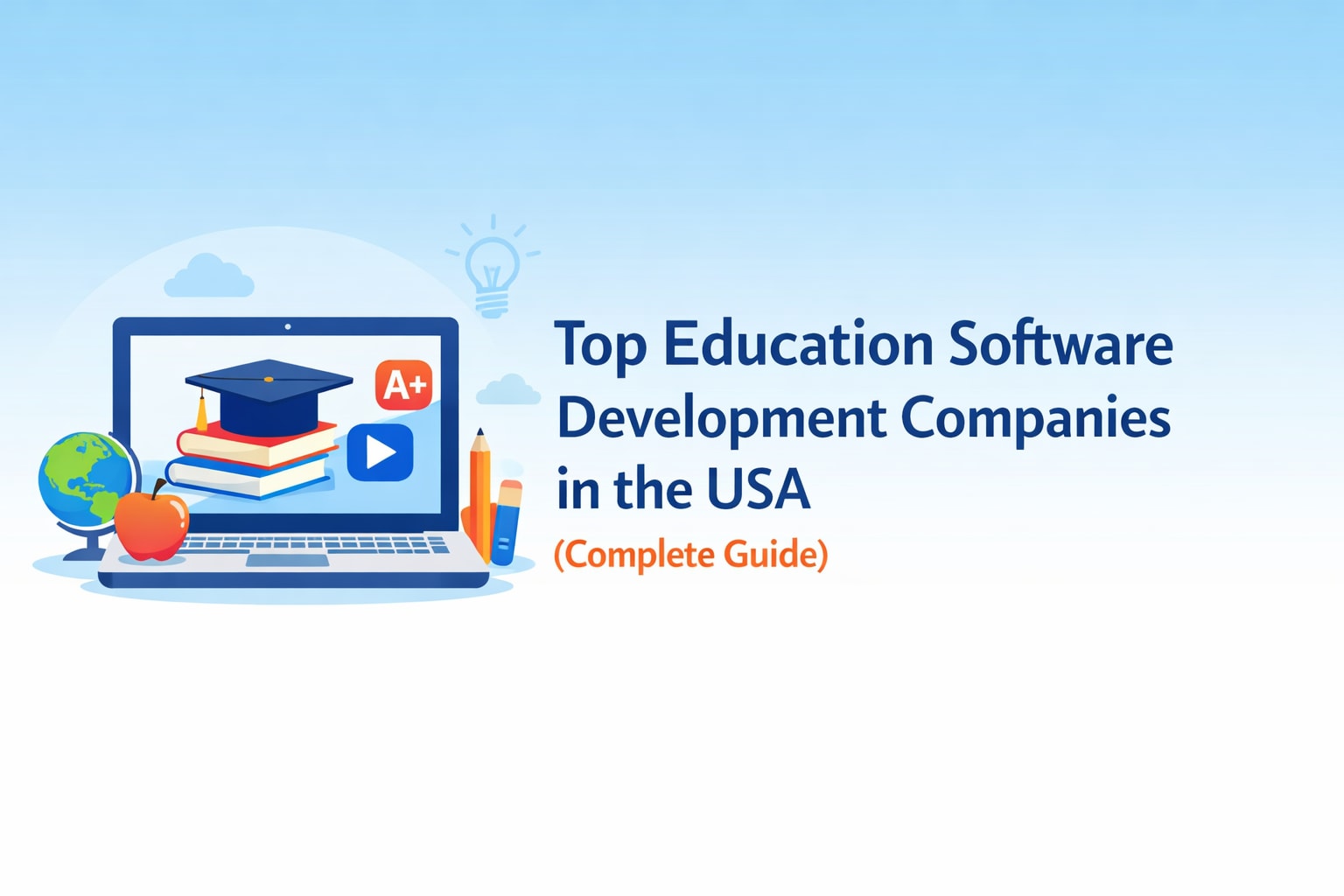
The education industry is undergoing a significant transformation, propelled by advances in digital technology, including remote learning and AI-powered educational tools. Institutions ranging from universities to corporate training organizations are increasingly collaborating with Education Software Development Companies to develop scalable Learning Management Systems (LMS), virtual classrooms, and intelligent eLearning applications. According to recent global market analyses, the United States remains at the forefront of innovation in the education technology sector, driven by substantial investments in digital learning infrastructure and AI integration.
The shift towards customized, flexible, and mobile-accessible learning experiences is reshaping educational landscapes. Traditional classroom models are increasingly seen as inadequate for meeting the modern demands of both workforce training and academic achievement. Key drivers of this trend include the rise of online degree programs, corporate training initiatives, AI-enhanced learning solutions, virtual classrooms, and a growing preference for mobile learning platforms. As institutions seek to establish adaptive learning ecosystems, companies specializing in education technology play a crucial role in integrating analytics and automation into these new systems.
A professional education app development partner typically offers a range of services, including custom LMS development, mobile application development tailored for eLearning, and virtual classroom solutions that incorporate features such as video conferencing, whiteboards, assessments, and AI tutoring support. Furthermore, the development of AI-based personalized learning platforms helps tailor educational content to individual learning speeds and styles, while Education ERP systems streamline various administrative functions like student admissions and fee management.
Growing Landscape of Education Software Development Companies
Several notable companies are driving innovation in the U.S. education technology sector. For instance, Renaissance Learning is recognized for its focus on K-12 learning analytics and adaptive assessment systems, offering SaaS-based solutions that enhance student performance tracking globally. Similarly, Clever provides secure digital learning access systems widely adopted by school districts across the U.S., enabling seamless integration of student data and education platforms.
Stride, Inc. emphasizes online education programs and blended learning models, generating significant revenues through large-scale online education services. Another major player is 2U, which partners with universities to deliver online degrees and professional certification programs, managing extensive global online learning ecosystems. Meanwhile, Raccoon Gang specializes in custom Open edX-based learning platforms, offering LMS customization, gamification features, and analytics integration to assist startups and educational institutions in building scalable eLearning environments.
Citrusbug Technolabs is also making strides in the sector, focusing on AI-driven education app development and cloud learning platforms aimed at improving learner engagement and operational efficiency. Additionally, Octal IT Solution has emerged as a global provider of scalable digital learning solutions, offering custom LMS development, eLearning mobile app development, and other education-related services.
The technologies employed by these companies reflect the latest advancements in the industry. Use of artificial intelligence and machine learning, cloud computing services like AWS and Azure, AR/VR for immersive learning experiences, blockchain for certification, and big data analytics are all increasingly common. The integration of AI in education software is particularly noteworthy, as it facilitates adaptive learning and provides predictive insights that can help educators tailor their approach to individual student needs.
Choosing the right education software development company offers several advantages. Experienced partners ensure compliance with education data privacy regulations, uphold advanced UX/UI design standards, and implement secure, scalable cloud infrastructures. As institutions increasingly prioritize digital solutions, the demand for companies with LMS and SaaS expertise is set to grow.
In light of emerging trends, the future of education technology is expected to be shaped by further integration of AI, personalized learning experiences, and innovative delivery models like VR classrooms and microlearning platforms. Industry experts predict that adaptive learning solutions will continue to dominate the next generation of educational products, underscoring the critical role of technology in modernizing learning delivery.
As educational institutions transition toward more digital frameworks, the role of leading Education Software Development Companies in the U.S. becomes ever more vital. Firms like Renaissance, Clever, Stride, and global partners such as Octal IT Solution are at the forefront, facilitating the creation of modern, secure, and engaging educational ecosystems that meet the evolving needs of learners today.
See also Türk Telekom Expands EdTech Leadership with AI Solutions, Reaches 30 Top LGS Scores
 House Hearing Calls for Federal Support in AI Teacher Training Amid Rising Classroom Use
 UK Inquiry Launches to Assess AI’s Impact on Education and Learner Protections
 Janel Forde and Jennifer Sobanet Discuss AI’s Role in Higher Education at RMAIN Summit