






















































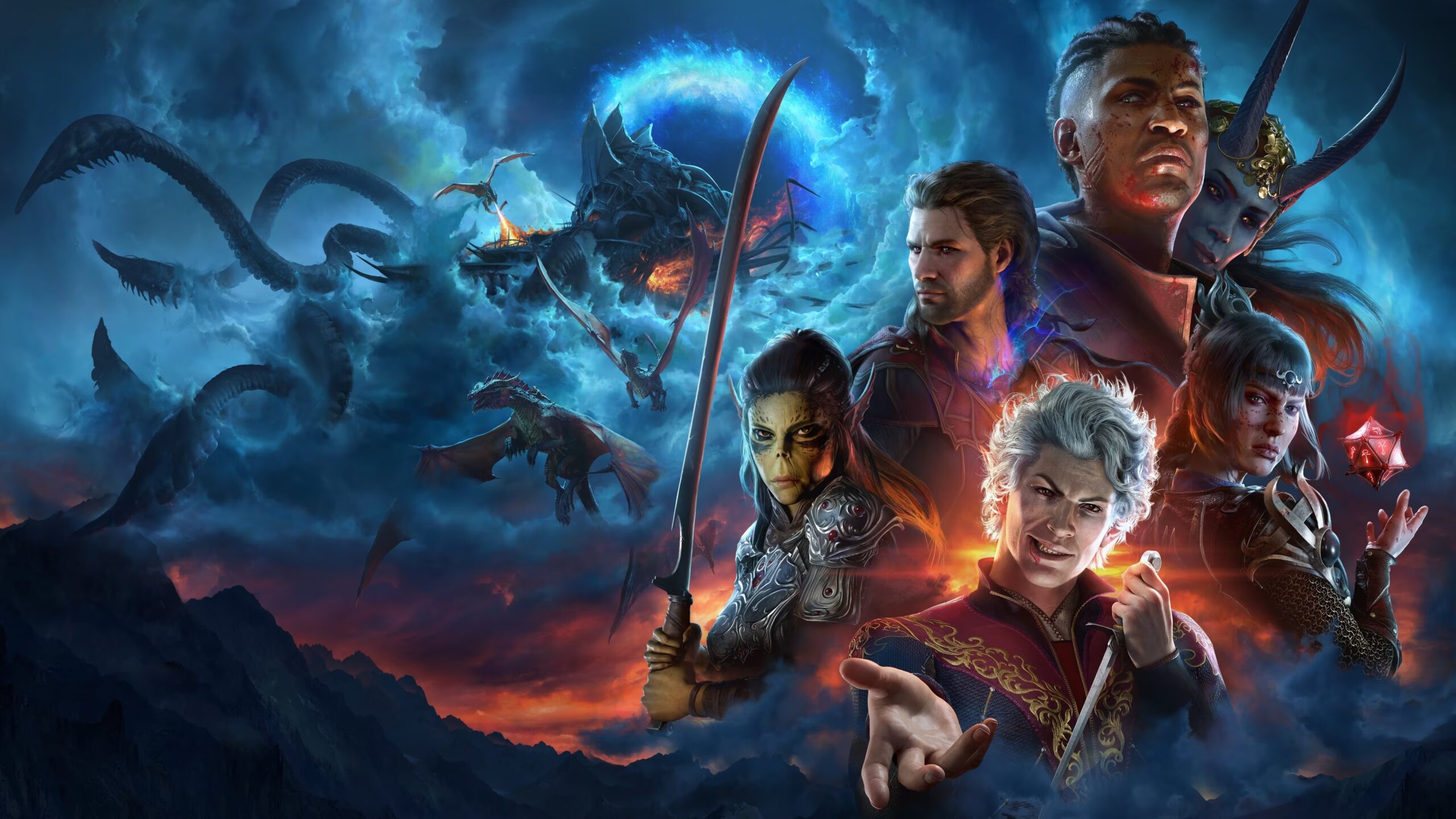
Concerns are mounting within the gaming industry regarding the increasing reliance on generative AI for voice performances in video games. In a recent interview with PCGamesN, Neil Newbon, an actor known for his roles in titles such as Baldur’s Gate III and Resident Evil Village, vocally criticized the trend, emphasizing the potential negative impact on voice actors and the authenticity of gaming experiences.
Newbon did not hold back his disdain, stating, “Fuck AI in performance,” before elaborating on his stance. He argued that the financial investment required for quality voice line recording is minimal compared to the overall budget of game development. “I don’t think there’s a justification for taking people’s jobs away. I don’t think it’s legitimate,” he asserted, contesting the practice of using AI to replicate human voices without actual recording.
In his critique, Newbon dismissed the quality of generative AI, describing it as “dull as hell” and lacking the emotional depth that human performances offer. He explained that the technology fails to create an immersive experience for players. “It takes me out of the experience because I just hear something that doesn’t sound like a human being in jeopardy, or in combat, or excitement,” he stated, adding that it risks crossing into what he termed the “uncanny valley”—a point where AI-generated voices become eerily lifelike but still lack authenticity.
Despite Newbon’s vocal opposition, the utilization of generative AI in gaming continues to gain traction among various developers. The technology promises cost savings and speed, tempting some studios to explore automated solutions for voice acting. However, the pushback from performers like Newbon raises questions about the long-term ramifications of such decisions, both for the industry and the actors who bring characters to life.
The divide between traditional voice acting and AI-generated alternatives is becoming more pronounced, with many in the gaming community echoing Newbon’s sentiments. Performers fear for their job security as studios experiment with generative AI, potentially sidelining human talent in favor of cheaper, automated solutions. This situation creates a climate of uncertainty and apprehension for those in the voice acting profession.
As the debate unfolds, the question remains: will the pursuit of technological innovation in voice performance ultimately enhance or detract from the storytelling prowess that video games are renowned for? While generative AI may offer new avenues for studios, the artistic integrity and emotional engagement provided by human voice actors cannot be easily replicated.
The future of voice acting in gaming hangs in the balance, with industry professionals advocating for the preservation of traditional methods while studios contemplate the allure of AI. As both sides navigate this evolving landscape, it is evident that the conversation surrounding generative AI’s role in gaming has only just begun.
See also New Diffusion Model Achieves Advanced Mural Restoration with Guided Residuals and Enhanced Noise Reduction
 AI Image Generators Default to 12 Generic Styles, Study Reveals Surprising Trends
 Multimodal AI Transforms Enterprise Efficiency, Enhancing Customer Service and Risk Management
 YouTube Bans Two High-Profile Channels for Misleading AI-Generated Movie Trailers
 AI Image Generators Limit Creativity, Defaulting to 12 Common Styles, Study Reveals






