









































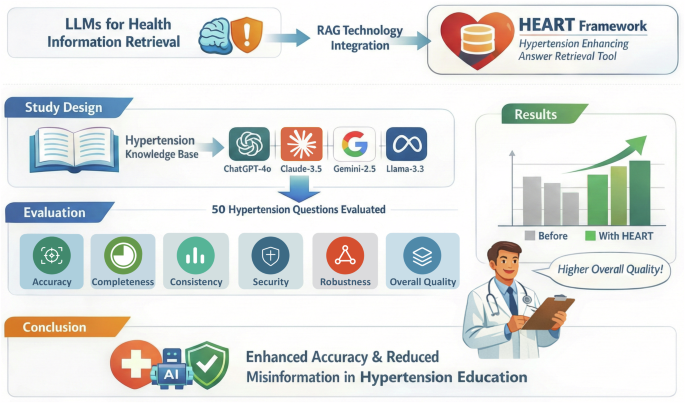
Artificial intelligence (AI) is increasingly being integrated into healthcare and hypertension management, as numerous studies highlight its potential benefits and challenges. Recent research indicates the growing prevalence of hypertension, particularly in China, where a national survey conducted from 2004 to 2018 revealed significant levels of awareness, treatment, and control issues. The findings underscore the urgency for effective management strategies as hypertension continues to pose a major health burden globally.
The World Health Organization (WHO) has also raised alarms regarding the rising rates of hypertension, indicating that addressing this issue is critical for reducing cardiovascular disease and mortality worldwide. A systematic review and meta-analysis published in 2016 emphasized the importance of blood pressure reduction in preventing cardiovascular events and deaths, reinforcing the need for effective management protocols in healthcare systems.
AI technologies, especially large language models, are emerging as valuable tools in the fight against hypertension. Recent studies, including one evaluating the efficacy of a multimodal digital transformation management model on platforms like WeChat, demonstrate that integrating AI can lead to improved patient outcomes. Researchers found that AI-driven interventions can enhance treatment adherence and provide personalized health information, addressing the common challenges faced by hypertension patients.
Furthermore, the rise of social media platforms has changed the landscape of health information dissemination. A cross-sectional content analysis showed that platforms like WeChat and TikTok hold potential for educating patients about hypertension management, although concerns about the quality of information remain. Evaluations of health-related content on these platforms reveal a mixed picture, suggesting that while some resources are beneficial, others may mislead patients or lack evidence-based guidance.
In addition to consumer-facing applications, AI is also making inroads into the clinical management of hypertension. As healthcare professionals increasingly utilize AI tools for patient monitoring and education, questions about the ethical implications and reliability of these technologies are gaining prominence. Recent studies have examined the efficacy of AI in enhancing health literacy and providing reliable medical information, with some researchers advocating for standardized guidelines to govern its use in clinical settings.
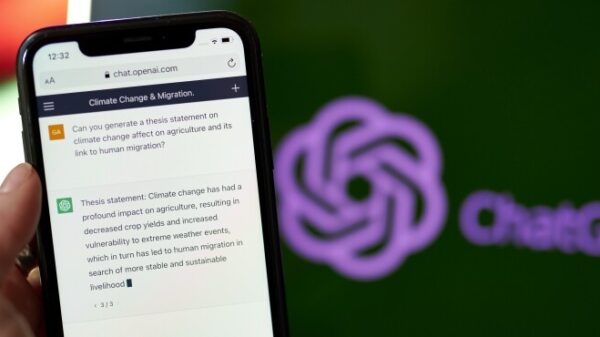
The integration of AI technologies like ChatGPT in healthcare has sparked discussions about their potential to optimize clinical workflows and improve patient care. A study assessing ChatGPT’s utility in healthcare workflows found that AI can assist in patient inquiries and streamline communication between healthcare providers and patients, ultimately enhancing the patient experience.
However, the success of AI in healthcare hinges on addressing several challenges, including data privacy, security, and ensuring that the information provided is accurate and clinically relevant. As AI continues to evolve, concerns about misinformation and patient trust must be carefully navigated.
Looking ahead, the role of AI in hypertension management is poised to expand further. Research is ongoing to explore how AI can be harnessed to create more effective patient education and engagement tools. As digital health solutions gain traction, the potential for AI to transform chronic disease management becomes increasingly evident, aligning with global public health goals to reduce the burden of hypertension and related diseases.
In conclusion, while AI presents numerous opportunities for improving hypertension management, its successful integration into healthcare will require collaborative efforts among practitioners, researchers, and policymakers. As the field continues to evolve, ongoing studies and innovations will be crucial in ensuring that AI technologies are effectively leveraged to enhance patient outcomes and health literacy.
See also Learn to Identify AI-Generated Images to Avoid Online Scams and Misinformation
 Grok AI Under Fire: UK Regulators Investigate Explicit Deepfakes Amid User Misuse
 Smart Buildings Achieve 86% Energy Savings Using AI and Large Language Models
 Canva Hires Kshitiz Garg as Audio and Video Lead to Enhance Generative AI Research
 Disney+ Launches Vertical Video Feature for AI Native Generation, Integrates OpenAI Collaboration