









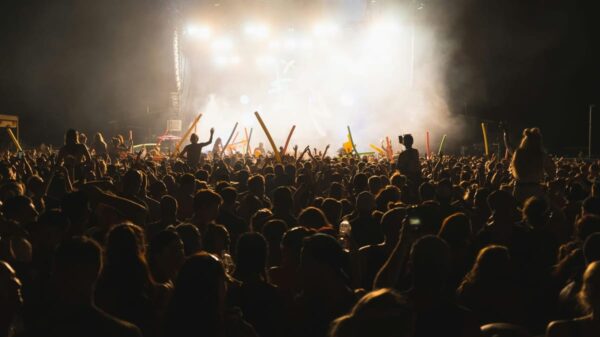























As the music industry adapts to technological advancements, AI-assisted music video production is emerging as a transformative tool for independent artists. Traditional music video creation demands significant resources, often out of reach for solo musicians and small teams. However, the advent of AI music video generators is reshaping this landscape, allowing creators to produce high-quality visual content without the extensive infrastructure previously required.
The rapid evolution of AI tools in this domain presents a spectrum of capabilities, each impacting the quality of output. Musicians must navigate these tools to determine where to allocate their time and resources effectively. Four key features stand out as crucial for enhancing the quality of music videos: lip-sync accuracy and character consistency, audio-reactive visuals, storyboard control, and style customization.
Among these, lip-sync accuracy and character consistency pose significant challenges. For any music video featuring a vocalist, ensuring that lip movements align closely with the audio is paramount. Viewers are sensitive to discrepancies, which can detract from the authenticity of a live performance. Current AI systems typically generate mouth movements based on probabilities rather than precise audio tracking, making phoneme-level lip-sync essential for accuracy. Some advanced tools report accuracy rates exceeding 90%, with the ability to maintain consistency across multiple characters, enhancing the viewer’s experience.
Next, audio-reactive visuals represent a vital aspect of modern music videos. The concept of visuals that respond dynamically to the music is appealing; however, achieving this requires sophisticated analysis of the audio track. Effective AI tools analyze elements like beats per minute (BPM) and structural transitions, ensuring that visual cuts correspond with musical changes. This capability creates a more cohesive and engaging viewing experience, akin to the meticulous work of a human editor.
Storyboard control is another critical feature for artists aiming to create coherent narratives within their videos. Many AI video generators operate on a clip basis, generating short sequences without considering the overall flow of the music video. Tools that allow for preliminary storyboard adjustments enable creators to organize shots effectively before full production, ensuring that the final output aligns with their artistic vision. More comprehensive platforms offer various creation modes that mirror traditional video production methods, facilitating a smoother integration of character and environmental shots.
Visual style customization further empowers independent creators. The distinct aesthetic of a music video often reflects an artist’s brand, and the ability to maintain a consistent visual theme is vital. AI-generated videos can range from fixed presets to fully customizable styles, each with its advantages. The most effective tools combine both options, offering a library of aesthetics while allowing for personalized input. Such versatility can significantly enhance the visual storytelling of a music video, aligning it more closely with the artist’s intention.
While these capabilities are essential, another significant factor is workflow integration. Many creators currently utilize multiple tools to achieve different aspects of video production, from image generation to editing. This piecemeal approach can lead to inconsistencies and quality loss during transitions. Some dedicated AI music video generators are designed to function as all-in-one solutions, streamlining the process and reducing the need for various systems. This consolidation may benefit creators looking to simplify their production workflows.
The implications for independent musicians are profound. The gap between the capabilities of leading AI video tools and those of average ones is substantial. Therefore, understanding and testing these features—such as audio-reactivity, character consistency, and creative control—can help creators discern which tools meet professional standards. As the industry evolves, the potential for AI to democratize music video production continues to grow, empowering artists to enhance their visual storytelling without the constraints of traditional production methods.
See also Sam Altman Praises ChatGPT for Improved Em Dash Handling
 AI Country Song Fails to Top Billboard Chart Amid Viral Buzz
 GPT-5.1 and Claude 4.5 Sonnet Personality Showdown: A Comprehensive Test
 Rethink Your Presentations with OnlyOffice: A Free PowerPoint Alternative
 OpenAI Enhances ChatGPT with Em-Dash Personalization Feature