

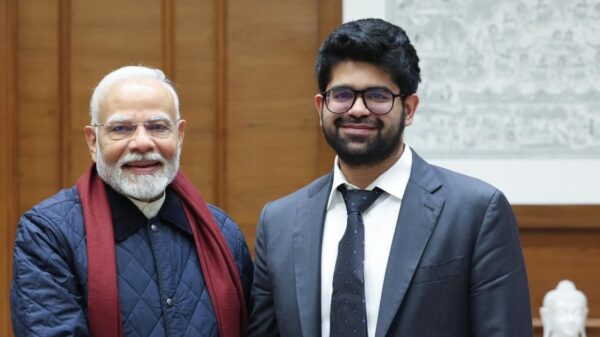




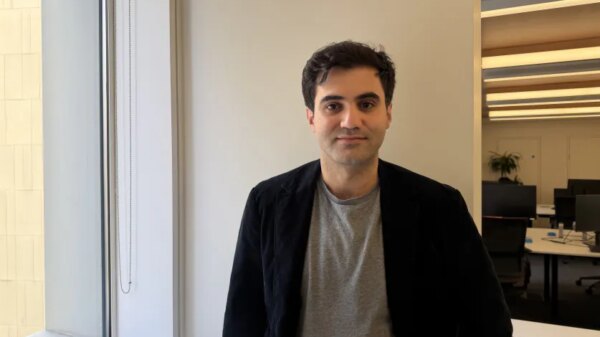






























Canva has named Kshitiz Garg as its new Audio and Video Lead within Canva Research, as the design platform furthers its ambitions in generative AI technologies across multimedia. Garg announced his appointment on LinkedIn after nearly eight years at Adobe, where he focused on generative AI solutions for both audio and video applications. His role at Canva Research will support the company’s ongoing AI-driven product innovation aimed at a diverse global user base.
Canva operates one of the largest cloud-based design platforms worldwide, serving various sectors, including education, business, and creative industries. The company’s research group is dedicated to translating cutting-edge AI research into production systems that benefit millions of users, particularly educators and students engaged in creating visual and video content.
In his LinkedIn post, Garg characterized his transition to Canva as a significant career shift, acknowledging the valuable collaborations he enjoyed at Adobe. He highlighted a growing emphasis on video and audio research within Canva’s strategic roadmap for AI. Under the leadership of Stefano Corazza, Garg will oversee research initiatives that bridge experimental models with production-ready systems.
“I’m excited to share that after nearly eight incredible years at Adobe, I’ve joined Canva Research as the Audio/Video Lead,” Garg wrote, indicating his commitment to advancing the scope of audio and video capabilities at Canva.
As part of his new role, Garg revealed that his team is actively recruiting research scientists and engineers at various experience levels. These positions will be based in San Francisco on a hybrid working model and in Australia. The focus lies at the intersection of applied research and engineering, specifically targeting generative video systems designed for reliable large-scale operation.
The team’s responsibilities will include developing and assessing diffusion-based video models, enhancing temporal consistency and controllability, and integrating research findings into production pipelines. System reliability, safety, and benchmarking will also be a priority, ensuring that the technology aligns seamlessly with Canva’s broader product ecosystem.
This move signals Canva’s ongoing investment in evolving generative video technologies from the experimental phase to practical tools that can be deployed across educational, creative, and professional workflows without sacrificing performance or governance.
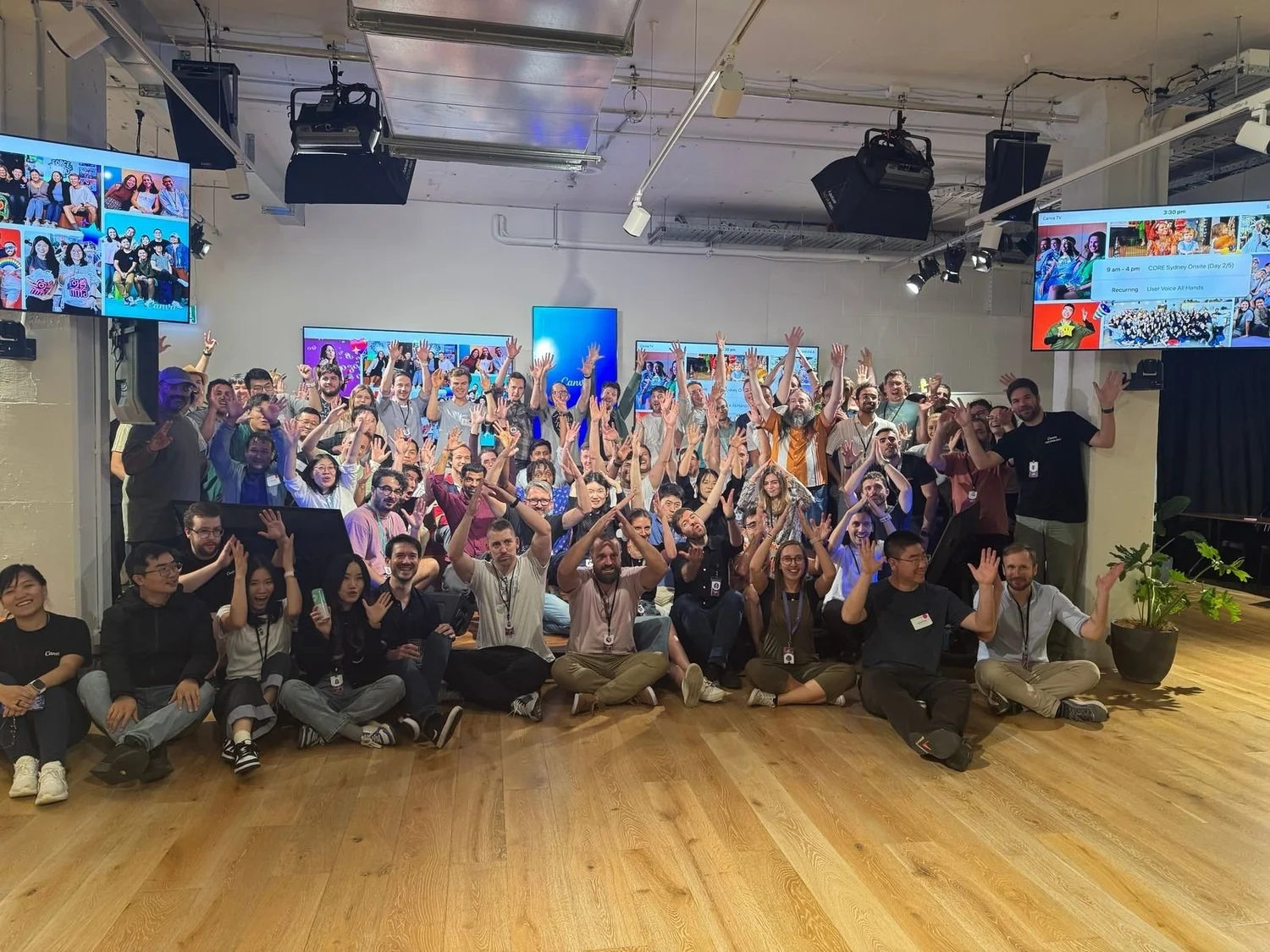
Looking ahead, Garg expressed enthusiasm about collaborating with teams across different regions, already engaging in the next phase of research-driven development. “It was fun already meeting the team in person in Sydney and looking forward to more adventures,” he noted, underscoring the collaborative spirit that will characterize his work at Canva.
See also Disney+ Launches Vertical Video Feature for AI Native Generation, Integrates OpenAI Collaboration
 Zhipu AI Debuts in Hong Kong, Surging 12.4% to $7.4B Market Cap as First LLM Public Company
 Nano Banana Prompts Cuts AI Image Generation Costs by 75% with Efficient Techniques
 CraftStory Launches Image-to-Video Model for 5-Minute AI-Generated Videos
 OpenAI Reveals ChatGPT Plus Features, Helping Users Decide on $20 Subscription Value