
















































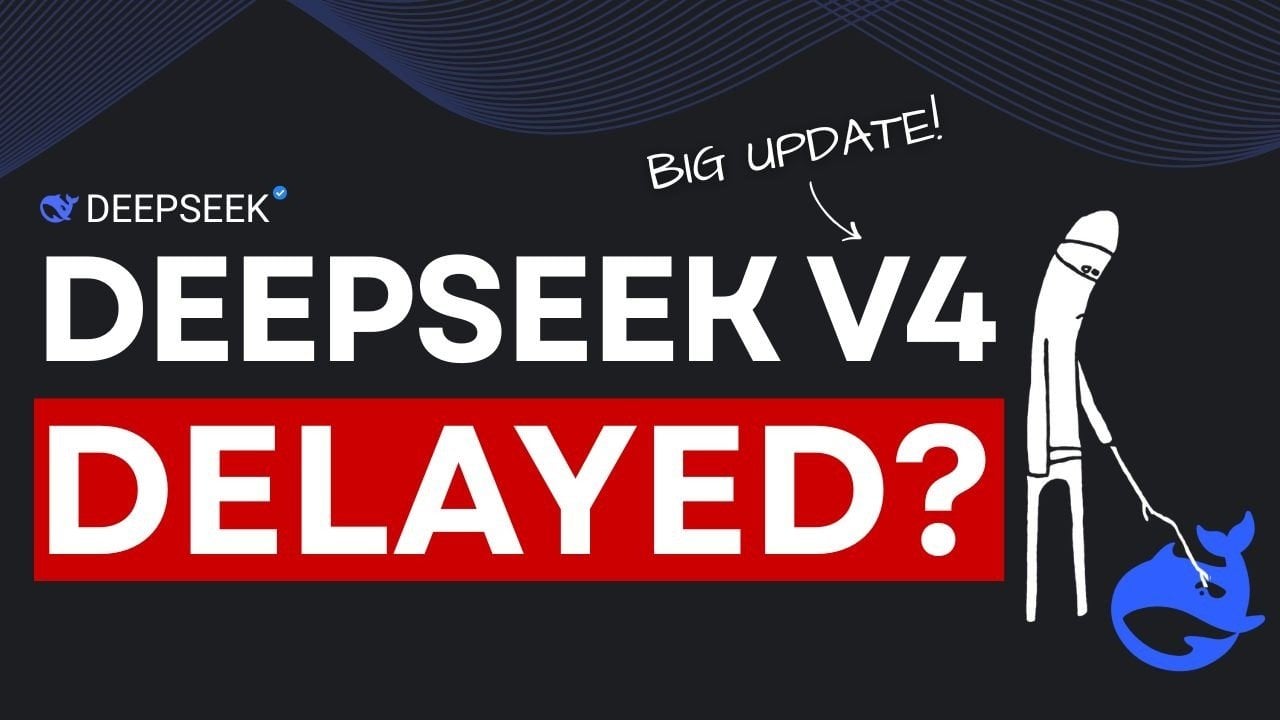
The release of DeepSeek V4 marks a significant advancement in artificial intelligence capabilities, featuring a 1 million token context window that allows the model to process extensive datasets—such as full research papers or complete codebases—without segmentation. This capability, highlighted by Universe of AI, aims to enhance both the speed and comprehensiveness of data analysis, making it particularly beneficial for professionals engaged in complex data workflows. The new version also incorporates Nvidia’s Blackwell SM100 architecture, which is designed to improve computational performance while addressing energy efficiency concerns.
DeepSeek V4’s native multimodal integration is another noteworthy feature, enabling the simultaneous processing of text, images, and various data types. This integration streamlines the handling of diverse tasks within a single framework, improving efficiency across applications. The update has implications across sectors including healthcare, education, and finance, demonstrating tangible benefits in real-world scenarios. Furthermore, the guide accompanying the release delves into ethical considerations surrounding these developments, balancing the potential benefits with the challenges posed by advanced AI deployment.
Key takeaways from the launch highlight the impressive features of DeepSeek V4, which not only enhance performance and scalability but also focus on energy efficiency. Additionally, speculation is mounting regarding a new AI model dubbed “Galapagus,” possibly representing GPT 5.3. This model may introduce adaptive compute allocation, allowing the system to dynamically adjust processing power based on task complexity, suggesting a new level of flexibility and efficiency in AI.
Anthropic, the organization behind DeepSeek, has committed to ethical AI deployment, emphasizing safety, transparency, and governance. It has explicitly stated that its AI systems are not intended for autonomous warfare or lethal decision-making. This ethical framework aims to ensure that AI technologies are developed and utilized in alignment with societal values and global stability, particularly in high-stakes areas like defense and national security.
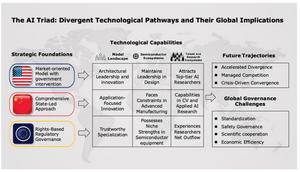
The rapid evolution of AI technologies is intensifying global competition, prompting nations and organizations to enhance their capabilities in this strategic domain. This competitive landscape raises critical questions for policymakers, industry leaders, and researchers regarding the responsible pursuit of innovation while addressing safety and ethical concerns. The intersection of innovation and governance will be essential in mitigating the risks associated with unchecked AI development.
As the landscape evolves, the advancements introduced by DeepSeek V4 and the potential of models like Galapagus signal a new era of AI capability. These developments promise to offer smarter, more efficient systems that can tackle increasingly complex challenges. However, they also underscore the significant responsibilities inherent in harnessing this technology. The decisions made today regarding the deployment and governance of AI will shape its trajectory for years to come, necessitating proactive engagement from all stakeholders involved.
The implications of these advancements extend far beyond technical specifications, highlighting the need for a balanced approach that integrates innovation with ethical considerations. As competition accelerates and new technologies emerge, staying informed and engaged will be crucial for navigating this dynamic and rapidly evolving landscape of artificial intelligence.
See also Sam Altman Praises ChatGPT for Improved Em Dash Handling
 AI Country Song Fails to Top Billboard Chart Amid Viral Buzz
 GPT-5.1 and Claude 4.5 Sonnet Personality Showdown: A Comprehensive Test
 Rethink Your Presentations with OnlyOffice: A Free PowerPoint Alternative
 OpenAI Enhances ChatGPT with Em-Dash Personalization Feature