




















































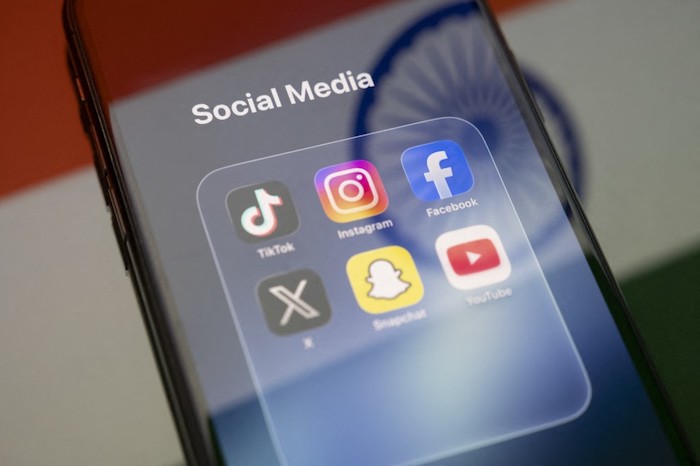
The Indian government, led by Prime Minister Narendra Modi, is poised to implement stricter regulations regarding artificial intelligence (AI) on social media, aiming to tackle an escalating wave of disinformation. These new rules are set to come into effect on February 20, coinciding with the conclusion of an international AI summit in New Delhi, which includes prominent figures from the global tech industry. The regulations will notably reduce the timeframe that platforms have to remove content deemed problematic, stirring concerns over censorship and potential infringements on digital freedoms.
As India’s internet user base exceeds one billion, the country is increasingly overwhelmed by AI-generated misinformation flooding social media. Major platforms such as Instagram, Facebook, and X will now be required to comply with government takedown orders within three hours, down from the previous 36-hour window, in a bid to curtail the rapid spread of harmful content.
This heightened oversight intensifies pressure on social media giants already facing growing public concern and regulatory scrutiny over the misuse of AI, including the proliferation of misinformation and sexualized content involving children. Rights organizations warn that overly stringent regulations could undermine freedom of expression. Critics argue that the Modi administration has previously faced allegations of limiting free speech, particularly aimed at activists and dissenters, claims that the government denies.
The Internet Freedom Foundation (IFF), a digital rights group, argues that the new short timeframe for content removal threatens to turn platforms into “rapid-fire censors.” Under the revised rules, any content “created, generated, modified or altered through any computer resource” must be labeled clearly and permanently to indicate that it has been manipulated by AI, except in cases of routine edits. This labeling is intended to enhance transparency but raises concerns about its practical enforcement.
Last year, the government initiated an online portal named Sahyog, designed to automate the process of sending takedown notices to major platforms. However, the IFF warns that the stringent timelines make meaningful human review nearly impossible. “The system shifts control decisively away from users,” said IFF chief Apar Gupta, highlighting that grievance processes will operate on slower timelines than the rapid takedown directives.
Digital rights activist Nikhil Pahwa referred to the enforcement measures as “automated censorship,” emphasizing that most users remain unaware of the authorities’ orders to delete their content. The new regulations mandate that platforms deploy automated tools to prevent the dissemination of illegal content, such as forgeries and abusive materials. Critics note that enforcing unique identifiers for synthetic content is impractical given the vast and varied nature of AI-generated materials.
Concerns have also been raised about the broad definitions of synthetic data, which the regulations describe as information that “appears to be real” and is “likely to be perceived as indistinguishable from a natural person or real-world event.” Gupta cautioned that the vague parameters could lead to the censorship of legitimate expressions, including satire or political commentary, particularly in a risk-averse enforcement environment. Furthermore, the accessibility of AI tools has fostered a rise in online hate through photorealistic representations that reinforce harmful stereotypes.
In light of these challenges, India’s IT minister Ashwini Vaishnaw announced discussions regarding age-based restrictions on social media use, following similar actions taken in Australia and other nations to ban underage users from popular platforms. This comes amid recommendations for stronger regulations on deepfakes, as the government aims to safeguard children and society from emerging digital threats.
Vaishnaw indicated that many countries are advocating for age-based regulation, stating, “We need much stronger regulation on deepfakes. It’s a problem which is growing day by day.” This marks a significant step for India, as a state minister had previously hinted at a potential ban on children using social media. The implications of these regulations extend beyond India, as the global discourse around AI ethics and digital governance continues to evolve amid mounting public concern.
See also AI Content Incidents Surge to Nearly 500 Monthly by 2026, Raising Misinformation Concerns
 Kling AI Launches 3.0 Suite with Enhanced Video and Image Generation Capabilities
 ByteDance Vows to Curb AI Video Generator Seedance Amid Hollywood’s Copyright Concerns
 AI Use Among Youth Reveals Mental Health Impact Linked to Offline Support Systems
 5 AI Tools Transforming Reading Habits for Enhanced Knowledge Retention and Understanding