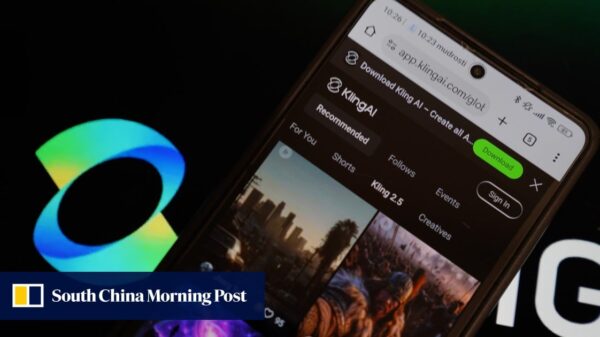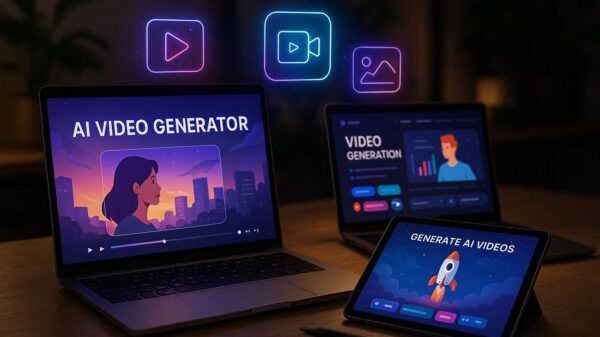
















































Kling AI, the cutting-edge content creation platform developed by Kuaishou, has officially unveiled its 3.0 era, introducing upgraded models including Kling Video 3.0, Kling Video 3.0 Omni, Kling Image 3.0, and Kling Image 3.0 Omni. This significant upgrade integrates various functionalities such as text-to-video, image-to-video, and audio integration within a unified multimodal framework, promising to enhance the landscape of AI-driven content generation.
These advances come with a leap in photorealism, extended video lengths, and new storytelling tools, positioning Kling 3.0 as a formidable competitor against industry leaders like Google’s Veo and OpenAI’s Sora, with potential to achieve state-of-the-art status in generative video. Initial demonstrations reveal footage that closely mimics real-world cinematography, setting high expectations for practical applications in various fields.
Kling Video 3.0 specifically enhances cinematic control and capabilities by consolidating multiple generation tasks into a streamlined model. Among its most notable features is the extended video length, which now supports up to 15 seconds—an increase from the previous limit of 10 seconds—with customizable duration options in one-second increments. This allows for better precision in storytelling.
Additionally, the model introduces multi-shot generation, inspired by similar features from Sora 2. This functionality breaks down scenes automatically and adjusts camera angles and compositions based on user prompts, enabling a structured narrative within a single clip. Improvements in realism and expressiveness have led to characters displaying more dynamic performances along with enhanced image quality.
Another pivotal advancement is the incorporation of native audio integration, which generates synchronized sound in multiple languages and dialects, furthering the immersive quality of the outputs. Consistency across elements is enhanced, as users can upload reference videos or images to ensure coherent characters and scenes throughout the frames generated. While text rendering has improved, the focus remains on enhancing overall narrative flow.
The Kling Video 3.0 Omni variant elevates multimodality, accepting not only text but also images, audio, and video as inputs. This capability facilitates advanced editing workflows, such as character replacement and color grading transfers, while also allowing for the alteration of historical eras in footage. A standout feature of Omni is its motion referencing, enabling input videos to guide generation and capture actor mimicry, which enhances realism through precise lip sync with native audio.
Compared to its predecessor, O1, which offered multimodal capabilities but lacked in quality, Omni 3.0 delivers a more refined experience that rivals Veo 3.1 in functionality while extending broader access—offering 1080p quality beyond API limitations. However, it is noteworthy that support for certain languages, such as Russian, has not been explicitly mentioned, raising questions about its global rollout.
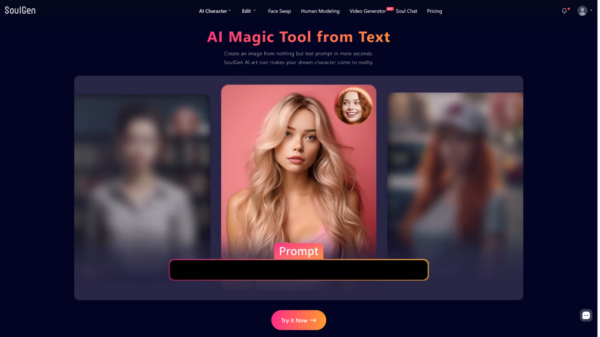
Kling Image 3.0 shifts focus to narrative-driven visuals, optimizing both text-to-image and image-to-image generation for outputs reminiscent of film. The introduction of 4K resolution allows for sharper, more detailed images, while storyboard generation through an “Image Series Mode” creates sequential frames from a single prompt, catering to coherent narratives or batch operations. This aligns with features from competitors like NanoBanana, yet Kling promises better usability amidst increasing restrictions from companies like Google.
Enhanced structural adherence to cinematic techniques, composition, and perspectives further distinguishes Kling Image 3.0. The Omni version amplifies editing capabilities, allowing for refined styles and subjects with strong prompt fidelity. While elements offer consistency across creations, some users still favor generating initial frames to maintain greater control, as video generation remains resource-intensive.
Market Context
The advancements introduced with Kling 3.0 position it as a serious contender against existing giants in AI content creation, arguably surpassing Veo 3.1 in terms of versatility. Its ability to provide native audio, multi-shot editing, and multimodal inputs without restrictive limitations sets a new standard in the industry. Demonstrated capabilities reveal a level of realism often indistinguishable from actual footage, suggesting a pivotal moment for AI in content generation.
Currently available under the Ultra plan, with plans for broader rollout to other pricing tiers, Kling 3.0 aims to democratize “AI Director” workflows, enabling creators to produce professional-grade content with ease. As the platform continues to evolve, it holds the potential to redefine the generative AI landscape, though its ultimate success will depend on user adoption and ongoing feedback from the creative community.
See also ByteDance Vows to Curb AI Video Generator Seedance Amid Hollywood’s Copyright Concerns
 AI Use Among Youth Reveals Mental Health Impact Linked to Offline Support Systems
 5 AI Tools Transforming Reading Habits for Enhanced Knowledge Retention and Understanding
 Chinese Tech Giants Launch Viral AI Tools, Featuring Realistic Brad Pitt, Tom Cruise Clips
 Google Launches Lyria 3 in Gemini App, Enabling AI Music Creation from Text and Images