



































As the demand for visually compelling images grows, the need for efficient photo editing solutions has become increasingly apparent. Traditional methods of cleaning up images often required extensive software and time, but advancements in artificial intelligence have dramatically simplified this process. Two leading technologies, Magic Eraser and Generative Fill, stand at the forefront of this evolution, each offering distinct capabilities suited for different user needs. This article delves into the features and advantages of these tools, guiding users in selecting the best option for their photo editing requirements.
Magic Eraser, a straightforward tool designed for removing unwanted elements from images, employs a simple “paint and erase” mechanism. Users highlight the object they wish to eliminate, and the AI processes the surrounding pixels to seamlessly fill the void. This tool excels in its speed and user-friendly interface, making it accessible to a wide range of users, from social media managers to real estate agents. Its web-based platform eliminates the need for heavy software installations, allowing users to upload images, make edits, and download results in mere seconds.
Among the key features of Magic Eraser are its brush-based selection, which enables users to paint over various unwanted objects regardless of their size, and AI-powered inpainting that reconstructs backgrounds with impressive accuracy. The tool also supports high-resolution exports, ensuring that the quality of the edited images remains intact. However, while its simplicity is its strength, it does have limitations: users may find less control over the replacement textures and it may struggle with larger, more complex objects.
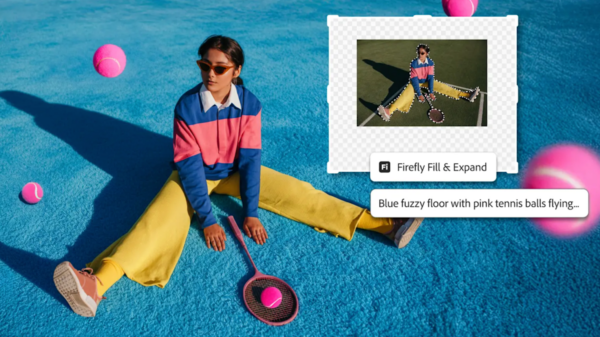
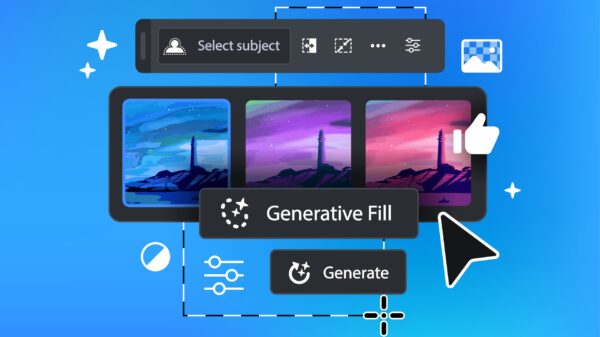
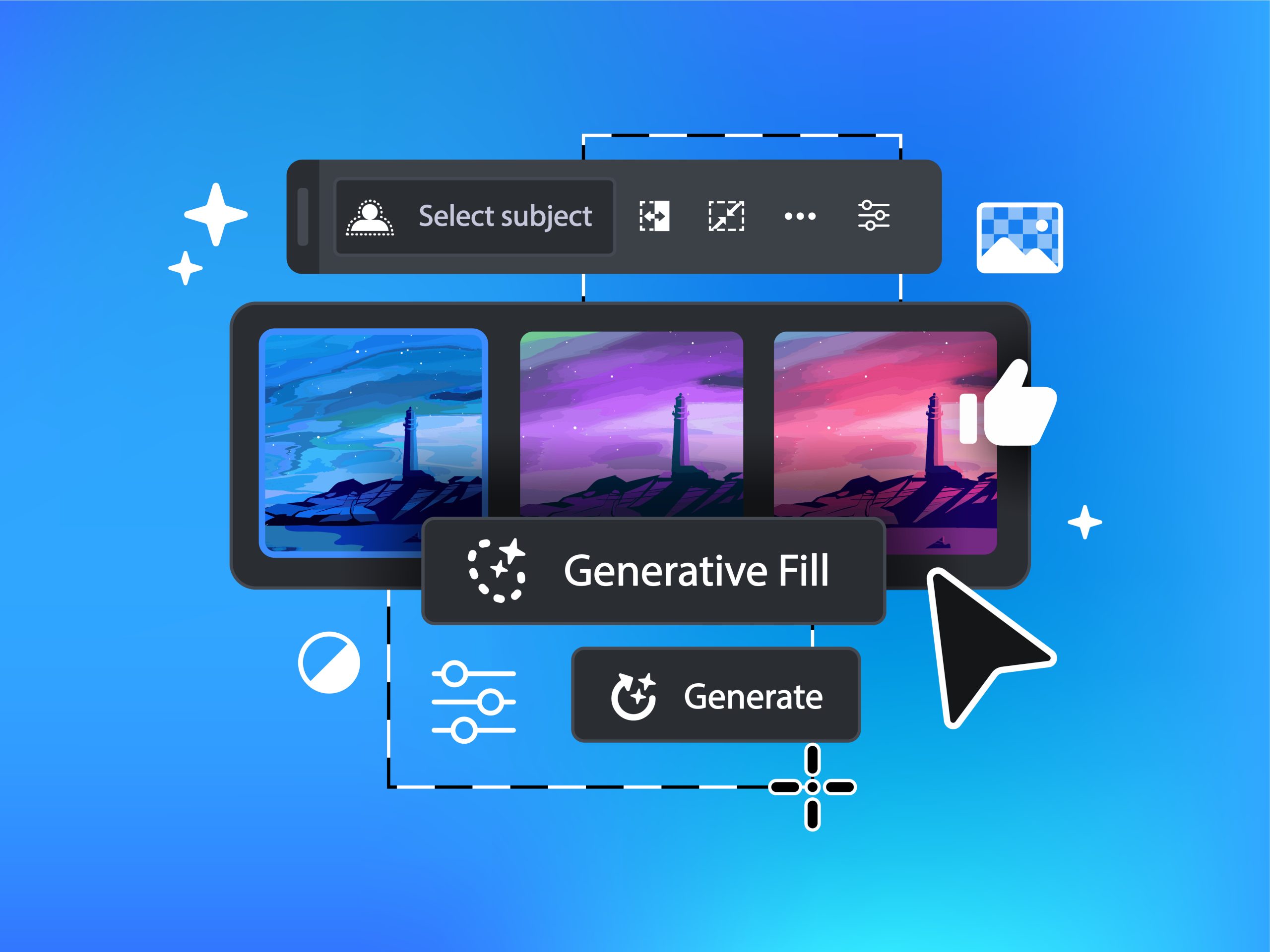
Generative Fill, on the other hand, represents a more sophisticated approach to photo editing. This technology, integrated into software like Adobe Photoshop, offers capabilities that extend beyond mere removal. Users can not only eliminate objects but also replace them with entirely new content generated based on text prompts or intelligent scene analysis. For instance, one could remove a car from a street and instruct the AI to create a park bench in its place. This versatility allows for complex edits and creative projects that were previously unfeasible.
Generative Fill’s standout features include text-to-image generation, which allows users to specify what they want to create in a given area, and seamless blending that ensures the newly generated content matches the original image’s lighting and style. It also supports content-aware removal, producing realistic replacements by analyzing the entire scene. Nevertheless, its advanced functionalities can introduce a steeper learning curve and, depending on the complexity of the tasks, processing times may be slower compared to simpler tools like Magic Eraser.
When comparing the two technologies, the choice largely hinges on user needs. Magic Eraser is ideal for quick touch-ups, particularly for those who prioritize speed and straightforward functionality in their editing tasks. Conversely, Generative Fill is tailored for those seeking creative freedom, offering intricate tools for artistic compositions and complex restorations. Such differences highlight how one tool excels in efficiency while the other shines in versatility and depth.
Ultimately, the decision comes down to whether the user aims to fix a photo or to reimagine it. For straightforward edits, Magic Eraser is a go-to solution, allowing users to quickly remove distractions from images with minimal effort. On the other hand, for users requiring significant creative control and the ability to transform images dramatically, Generative Fill provides a robust platform for enhancing visual narratives.
This evolution in photo editing technology underscores a broader trend in the creative industries, where AI tools are increasingly becoming integral to workflows. As both Magic Eraser and Generative Fill continue to develop, they will likely inspire more users to explore their creative potential and redefine the boundaries of digital imagery.
See also Sam Altman Praises ChatGPT for Improved Em Dash Handling
 AI Country Song Fails to Top Billboard Chart Amid Viral Buzz
 GPT-5.1 and Claude 4.5 Sonnet Personality Showdown: A Comprehensive Test
 Rethink Your Presentations with OnlyOffice: A Free PowerPoint Alternative
 OpenAI Enhances ChatGPT with Em-Dash Personalization Feature