













































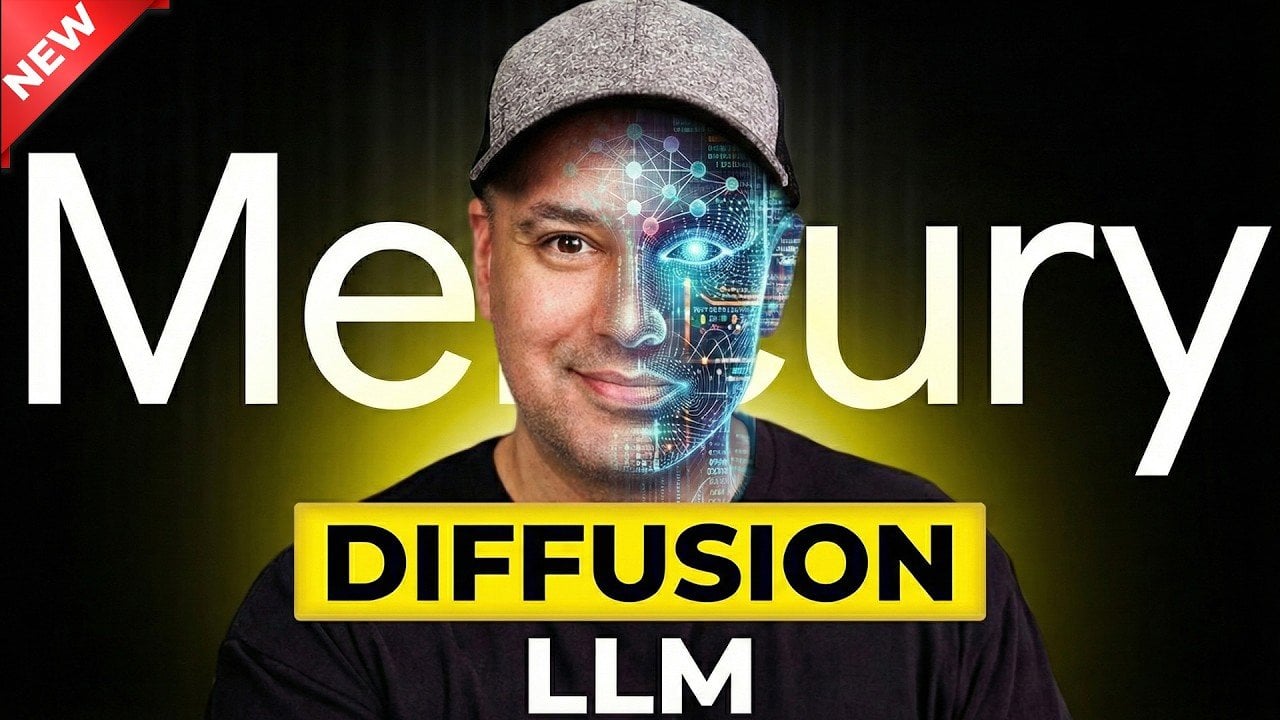
Mercury 2, a new large language model developed by Skill Leap AI, is making waves in the AI technology landscape with its innovative diffusion-based reasoning approach. This model offers a significant leap in speed and efficiency, capable of generating up to 1,000 tokens per second, which is five times faster than existing models such as Haiku. By refining multiple tokens in parallel, Mercury 2 addresses common bottlenecks found in traditional models that process tokens sequentially, thus enhancing performance in complex tasks like generating code or strategic plans.
The introduction of Mercury 2 signifies a shift in how large language models (LLMs) can be utilized across various industries. Its parallel token processing not only accelerates output but also maintains high-quality results, essential for demanding applications. The model’s adaptability allows users to customize reasoning levels to suit specific tasks, ranging from customer support inquiries to technical problem-solving.
The implications of Mercury 2’s technology are profound. With its ability to deliver rapid, accurate responses, businesses in sectors such as customer service and software development stand to benefit significantly. The model’s customizable reasoning capabilities enable it to cater to diverse needs, whether producing succinct summaries or conducting in-depth analyses. This versatility enhances its appeal for different applications, including content creation and educational tools.
Affordable pricing further amplifies Mercury 2’s accessibility, with costs set at $0.25 per million input tokens and $0.75 per million output tokens. This competitive structure allows organizations of all sizes to leverage advanced AI capabilities without breaking the bank. The cost-effectiveness, combined with high performance, positions Mercury 2 as a viable option for businesses looking to improve efficiency and output quality.
In terms of market position, Mercury 2 distinguishes itself from other models. While it may not directly compete with flagship models like Ops or Sonnet, which excel in contextual understanding, Mercury 2’s strengths lie in its ability to generate results quickly without sacrificing quality. Its focus on speed makes it an attractive option for time-sensitive applications across various sectors.
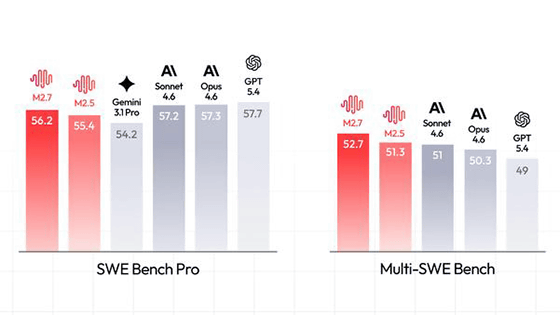
The model has shown promising results in practical applications, demonstrating significant advantages over its competitors in benchmark tests. Users requiring immediate and efficient token generation, especially in fast-paced industries, are likely to find Mercury 2’s capabilities align closely with their operational needs.
Mercury 2 is also designed with a user-friendly interface that encourages interaction. Users can test prompts, adjust reasoning levels, and refine outputs in real-time, facilitating an iterative process that enhances the overall experience. This accessibility ensures that both novice and experienced users can effectively utilize the model to meet their objectives.
As the landscape of AI technology continues to evolve, Mercury 2 stands out as a potential game-changer. Its combination of innovative processing techniques, speed, and affordability sets a new standard for what large language models can achieve. The model not only meets the demands of current applications but also paves the way for future developments in AI, promising to reshape how businesses and individuals engage with technology.
In summary, as organizations increasingly seek to integrate AI solutions that enhance productivity and efficiency, Mercury 2 offers a compelling blend of performance and adaptability. This new model represents a significant advancement in the field of natural language processing, with the potential to redefine tasks across numerous industries and applications.
See also Google Launches Nano Banana 2, Merging AI Image Tools for Enhanced Visual Generation
 Douyin Launches Long-Form Writing Feature to Attract 907M Users with AI Support
 Lockheed Martin Collaborates with Xanadu to Enhance Quantum Machine Learning Theory
 Researchers Unveil Partially Shared Multi-Modal Embedding for Enhanced Cell State Analysis
 AI Music Video Generator Enhances Output Quality with 90% Lip-Sync Accuracy and Customization